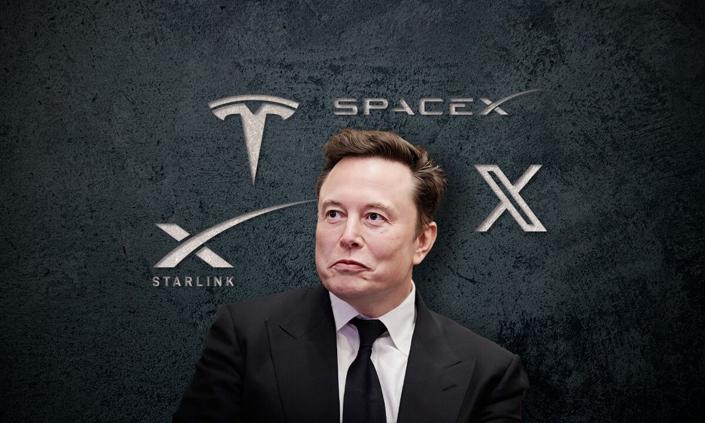
San Francisco, CA – Elon Musk, the owner of X, formerly known as Twitter, is facing a civil trial in San Francisco federal court, accused of misleading investors before completing his $44 billion acquisition of the social media platform. The lawsuit, brought by shareholders, alleges that Musk artificially inflated the company’s stock price and then attempted to back out of the deal, causing significant financial harm.
The trial, which began this week, centers on claims that Musk engaged in a “ruse” to depress Twitter’s stock value, allowing him to ultimately purchase the company at a lower price than initially agreed upon. Shareholders argue that Musk’s public statements and actions were deliberately designed to create doubt about the deal’s viability, driving down the stock price. Musk is expected to testify, offering his perspective on the events leading up to the acquisition and his motivations.
The legal battle stems from the tumultuous period surrounding Musk’s initial agreement to buy Twitter in April 2022. After initially expressing enthusiasm for the acquisition, Musk began to voice concerns about the number of bot and spam accounts on the platform, claiming that Twitter had misrepresented these figures. He subsequently attempted to terminate the deal in July 2022, triggering a legal dispute with Twitter’s board. Musk completed the acquisition in October 2022, but not before a significant amount of public drama and legal maneuvering. CNBC provides further details on the expected testimony.
The Core of the Shareholder Claims
The plaintiffs in the case allege that Musk’s actions constituted a breach of fiduciary duty and violated securities laws. They contend that he deliberately made misleading statements to create a pretext for abandoning the deal, thereby harming investors who had purchased Twitter stock at inflated prices. Specifically, the shareholders point to Musk’s public questioning of Twitter’s bot count as a key element of this alleged scheme. They argue that he knew, or should have known, that the bot numbers were within a reasonable range, but used them as an excuse to renegotiate the purchase price or walk away from the agreement altogether.
The shareholders are seeking damages to compensate them for the losses they incurred as a result of Musk’s alleged misconduct. The amount of damages sought is substantial, reflecting the significant decline in Twitter’s stock price following Musk’s initial attempts to terminate the deal. The trial will involve a detailed examination of Musk’s communications, financial records, and expert testimony from both sides.
Musk’s Defense and Counterarguments
Musk’s legal team is expected to argue that he acted in fine faith and had legitimate concerns about the accuracy of Twitter’s representations regarding its user base. They will likely present evidence to support the claim that Twitter had misrepresented the number of bot and spam accounts on the platform, and that Musk was justified in seeking more information before completing the acquisition. NBC Bay Area reports that Musk’s defense will focus on the alleged misrepresentation of bot accounts.
Musk’s lawyers may argue that he was within his rights to terminate the deal based on material adverse changes to Twitter’s business. They could contend that the company’s financial performance deteriorated after the initial agreement was reached, and that this deterioration justified his decision to walk away. The trial will likely involve a complex legal analysis of the merger agreement and the applicable provisions governing termination rights.
The Broader Implications for Tech Mergers and Acquisitions
This case has significant implications for the tech industry and the broader landscape of mergers and acquisitions. The outcome could set a precedent for how courts evaluate claims of misleading conduct in the context of large-scale deals. If the shareholders prevail, it could embolden other investors to challenge acquisitions where they believe they have been harmed by misrepresentations or breaches of fiduciary duty. Conversely, if Musk wins, it could provide greater protection to buyers who seek to renegotiate or terminate deals based on concerns about the target company’s business.
The case also raises questions about the role of public statements and social media in influencing stock prices and deal negotiations. Musk’s frequent use of Twitter (now X) to communicate his views on the acquisition has been a central feature of the controversy. The trial could shed light on whether and to what extent such public statements can be considered legally binding or create a duty of disclosure to investors. The scrutiny of Musk’s online activity is unprecedented in a case of this magnitude.
The Role of Bot Accounts and Data Transparency
The dispute over the number of bot and spam accounts on Twitter highlights the broader challenges of data transparency and accountability in the social media industry. Accurately quantifying the prevalence of automated accounts is notoriously difficult, and companies often rely on estimates and algorithms to assess the problem. The trial could lead to greater scrutiny of these methods and potentially prompt calls for more standardized reporting requirements. UNILAD Tech emphasizes the central role of the bot account issue in the legal proceedings.
The case also underscores the importance of due diligence in mergers and acquisitions. Buyers need to thoroughly investigate the target company’s business, finances, and data practices to ensure they are making an informed decision. The Twitter-Musk saga serves as a cautionary tale for investors and companies alike.
What to Expect Next
Elon Musk’s testimony is a pivotal moment in the trial. His explanations of his actions and motivations will be closely scrutinized by the court and the public. The trial is expected to last several weeks, with both sides presenting evidence and calling witnesses. Following the conclusion of the evidence phase, the judge will issue a ruling on the merits of the case.
The outcome of the trial could have far-reaching consequences for Musk, X (formerly Twitter), and the tech industry as a whole. A ruling against Musk could result in significant financial penalties and damage his reputation. It could also lead to further legal challenges and regulatory scrutiny. The case is being closely watched by investors, legal experts, and the media.
The next key date in the proceedings is currently scheduled for ongoing witness testimony and evidence presentation throughout March 2026. Updates on the case will be available through court filings and news reports.
Do you have thoughts on the Musk-Twitter acquisition and the ongoing legal battle? Share your opinions in the comments below.
Keep reading