Elon Musk’s net worth is approaching the unprecedented $1 trillion threshold, driven largely by the surging market valuation of his primary business interests, including Tesla and SpaceX. While analysts at firms such as Bloomberg and Forbes track these fluctuations daily based on equity holdings, the prospect of a centibillionaire reaching a trillion-dollar personal valuation has prompted significant global economic debate regarding the concentration of private wealth. This milestone remains fluid, contingent upon equity market volatility and the performance of his private ventures.
The Mechanics of a Trillion-Dollar Valuation
The calculation of Elon Musk’s wealth is primarily derived from his ownership stakes in publicly traded and private companies. According to the Bloomberg Billionaires Index, which updates daily, Musk’s wealth fluctuates in direct correlation with the share price of Tesla Inc. (TSLA). Because a significant portion of his net worth is tied to equity, the “trillionaire” status is not a liquid cash position but a valuation of his total assets, minus liabilities. When a founder holds substantial blocks of stock, market sentiment toward their companies dictates their ranking on global wealth lists.
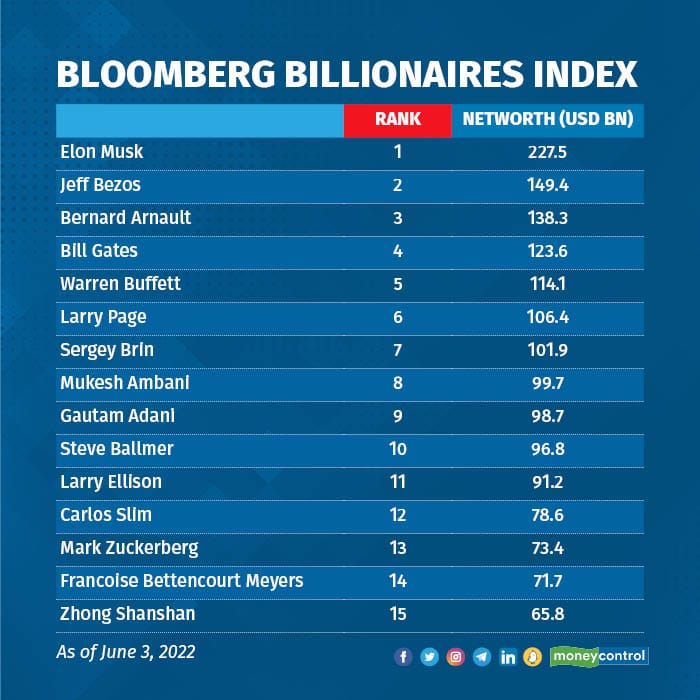
Market analysts often point to the “Musk premium,” where investor confidence in his leadership—particularly in artificial intelligence and autonomous transport—inflates the stock price. However, this structure makes his net worth highly sensitive to quarterly earnings reports and regulatory filings. As noted by Forbes Real-Time Billionaires List, the delta between his current standing and the trillion-dollar mark is frequently bridged by gains in Tesla’s market capitalization or advancements in SpaceX’s valuation during secondary funding rounds.
SpaceX and the Impact of Capital Markets
SpaceX remains a cornerstone of Musk’s portfolio, though it is a private company, meaning its valuation is determined by private equity transactions rather than daily stock exchange trading. The company’s ability to raise capital at increasingly high valuations has been a primary driver in discussions regarding Musk’s net worth. Unlike Tesla, which is subject to the immediate volatility of the NASDAQ, SpaceX’s valuation is typically set during periodic tender offers or funding rounds where institutional investors buy shares from employees and early stakeholders.

Recent reports concerning potential public listings or secondary market access for shares have drawn scrutiny from international regulators. While retail investors often seek exposure to private space ventures, access is typically restricted to institutional and accredited investors due to complex securities laws. According to the U.S. Securities and Exchange Commission (SEC), IPOs and private equity offerings are governed by strict disclosure requirements designed to protect retail participants from the high risks associated with early-stage or pre-IPO valuations.
Economic Implications of Concentrated Wealth
The trajectory toward a trillion-dollar net worth for a single individual has sparked discourse among economists regarding the impact of such capital concentration on global economic policy. Dr. Olivia Bennett, in her analysis of market trends, notes that the accumulation of wealth at this scale is unprecedented in modern history, often outpacing the GDP of several mid-sized nations. This concentration raises questions about the influence of private entities on public infrastructure and global supply chains, particularly in sectors like satellite communications and aerospace.
The International Monetary Fund (IMF) has frequently highlighted that extreme wealth inequality and the concentration of economic power can affect market competition and innovation. When one individual controls critical infrastructure—such as the Starlink satellite network—the intersection of private business interests and national security becomes a matter of government policy. Various nations have begun to implement more stringent oversight regarding foreign participation in domestic technology sectors, citing national security concerns as a reason to limit access to certain private equity and technology investments.
What Happens Next: Market Monitoring
For observers tracking Musk’s financial status, the next major checkpoints involve Tesla’s quarterly financial disclosures and any official statements from SpaceX regarding its capital structure. Investors typically look to the SEC’s EDGAR database for the most accurate, verified information regarding share ownership, executive compensation, and company performance. As these companies continue to scale, the gap between current valuations and the trillion-dollar milestone will remain a primary focus for financial news desks and market analysts worldwide.
The evolution of this valuation is not a static event but an ongoing process shaped by market cycles. Readers interested in the latest developments can monitor filings on the official investor relations pages of the respective companies. We encourage our readers to share their perspectives on the economic implications of such wealth concentration in the comments section below.
Related reading
- The “Vegan Vampire” Tick Terrorizing Martha’s Vineyard
- Tunisie : l’ambassadrice de France convoquée après l’entretien d’un opposant sur une …
- Elon Musk’s SpaceX Just Became a Less Attractive Buyer for Tesla (newsdirectory3.com)
- Murphy USA Gas at Walmart in Arkansas Sold Winning Powerball Ticket Worth $1.817 Billion (news-usa.today)