
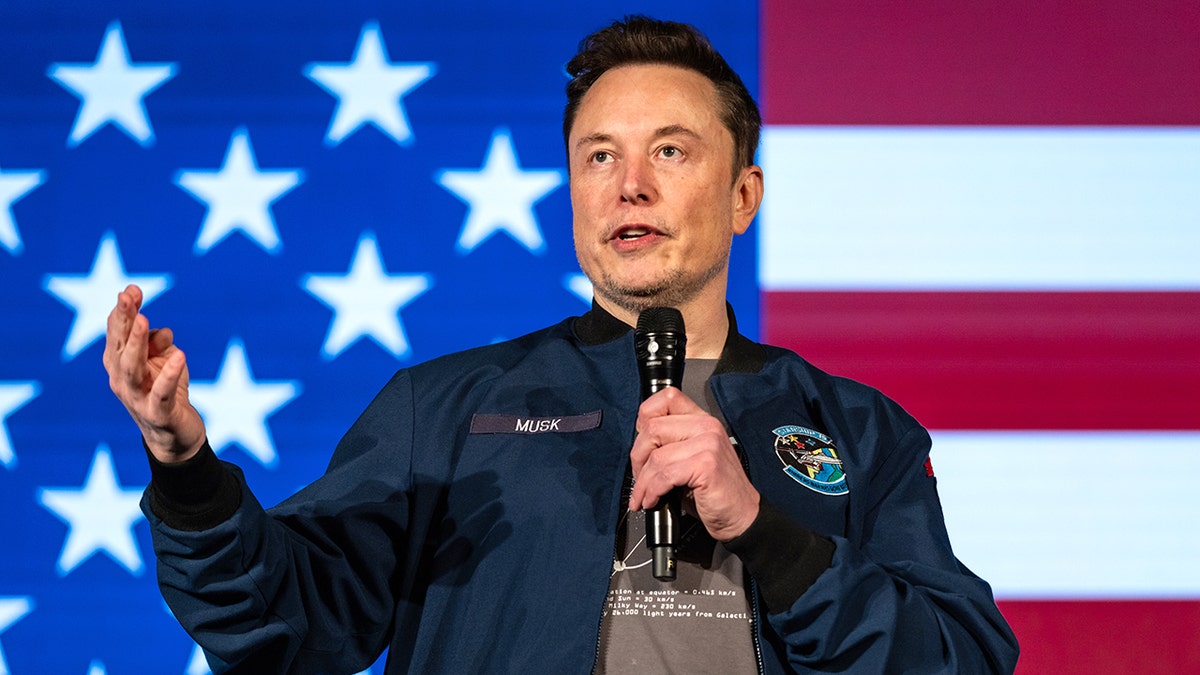
Elon Musk’s total net worth has reached an estimated $1 trillion, a milestone driven largely by the surging market valuation of SpaceX following its recent initial public offering (IPO) on the Nasdaq. As of the most recent market close, the entrepreneur’s wealth—comprised of his stakes in Tesla, SpaceX, xAI, and other ventures—has positioned him as the first individual to reach this financial threshold, according to real-time tracking data from the Bloomberg Billionaires Index.
The transition of SpaceX from a private entity to a publicly traded company on the Nasdaq has been a primary catalyst for this shift in valuation. While Musk’s wealth has historically fluctuated based on the volatility of Tesla shares, the public offering of his aerospace company has provided a new, high-growth asset that investors have valued aggressively. This development arrives amid ongoing debates regarding the appropriate valuation of space-sector firms and the integration of artificial intelligence across Musk’s various corporate holdings.
Market Reaction to the SpaceX Public Offering
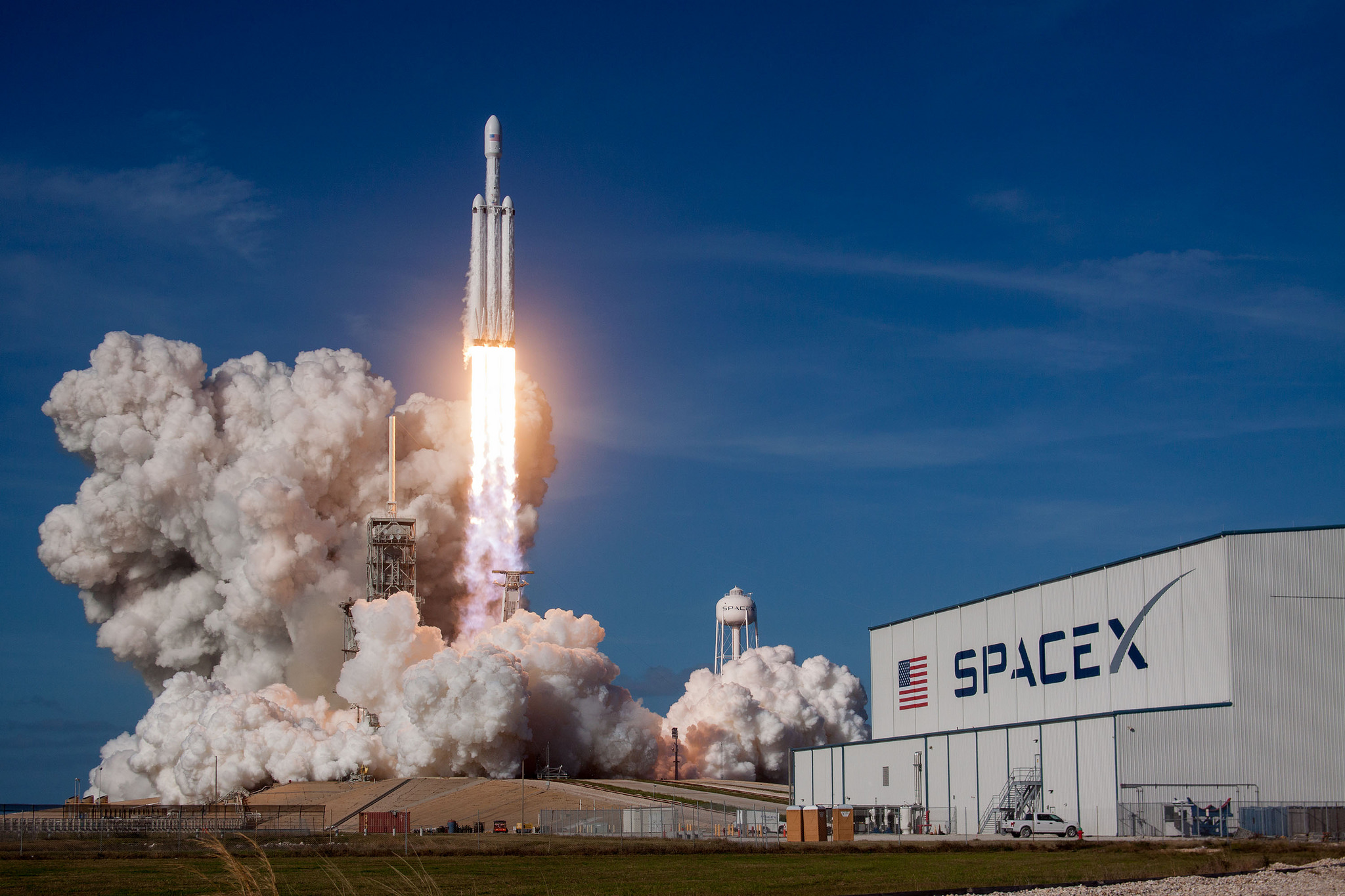
SpaceX’s debut on the public markets represents one of the largest corporate listings in recent history. According to official Nasdaq exchange filings, the company’s market capitalization climbed significantly during its first week of trading, reflecting investor optimism regarding its Starlink satellite constellation and the Starship launch system. Financial analysts note that the IPO provides SpaceX with a clearer path to capital for its ambitious Mars exploration goals, though it also introduces new requirements for quarterly reporting and transparency under Securities and Exchange Commission (SEC) mandates.
The valuation of the company has invited scrutiny from market observers. Unlike traditional aerospace contractors, SpaceX’s revenue model relies heavily on a mix of government defense contracts and commercial satellite deployment. Regulatory disclosures filed via the SEC’s EDGAR database indicate that while the firm has seen massive growth in launch frequency, the long-term profitability of the Starlink network remains a subject of intense analytical modeling among institutional investors.
The Role of AI in Musk’s Wealth Portfolio
Beyond aerospace and automotive engineering, the valuation of Musk’s artificial intelligence venture, xAI, has played an increasingly significant role in his total net worth. The firm, which recently completed a funding round that pushed its valuation into the tens of billions, is being integrated into Musk’s broader ecosystem, including the social media platform X. According to official updates from xAI’s corporate blog, the company is focusing on large-scale model training that leverages the compute capacity available within Musk’s other companies.
Market analysts suggest that the “AI premium” currently applied to Musk’s companies reflects a broader industry trend where investors prioritize firms with proprietary data sets and high-performance computing infrastructure. However, this trend has also sparked concerns regarding the potential for overvaluation in the tech sector. Critics point to the disconnect between current product revenue and the speculative valuations assigned to AI-focused subsidiaries, a dynamic that previously saw similar volatility in the early stages of Tesla’s growth.
What Happens Next for SpaceX and Tesla
The immediate focus for investors is the next round of earnings reports, which will provide the first look at how SpaceX’s public status influences its operational strategy. Under federal securities laws, the company is now obligated to disclose material financial information that was previously kept private, a process that is expected to provide more clarity on the actual margins associated with its reusable rocket technology.

Simultaneously, Tesla shareholders remain focused on the company’s transition toward autonomous driving and robotics. With Musk’s wealth now anchored to both the cyclical nature of automotive manufacturing and the capital-intensive aerospace industry, market participants are watching for signs of how he will balance his time across these entities. The next major checkpoint for the company is the upcoming shareholder meeting, where leadership will likely address plans for future product rollouts and capital allocation strategies.
For those interested in tracking the official performance of these assets, investors can monitor real-time data through the Nasdaq official stock pages for ticker symbols associated with Musk’s entities. As the market continues to react to these developments, further analysis will be necessary to determine if these valuations can be sustained in the long term.
What are your thoughts on the valuation of space-tech firms in the current market? Join the conversation in the comments section below and share this article with your network.
Worth a look