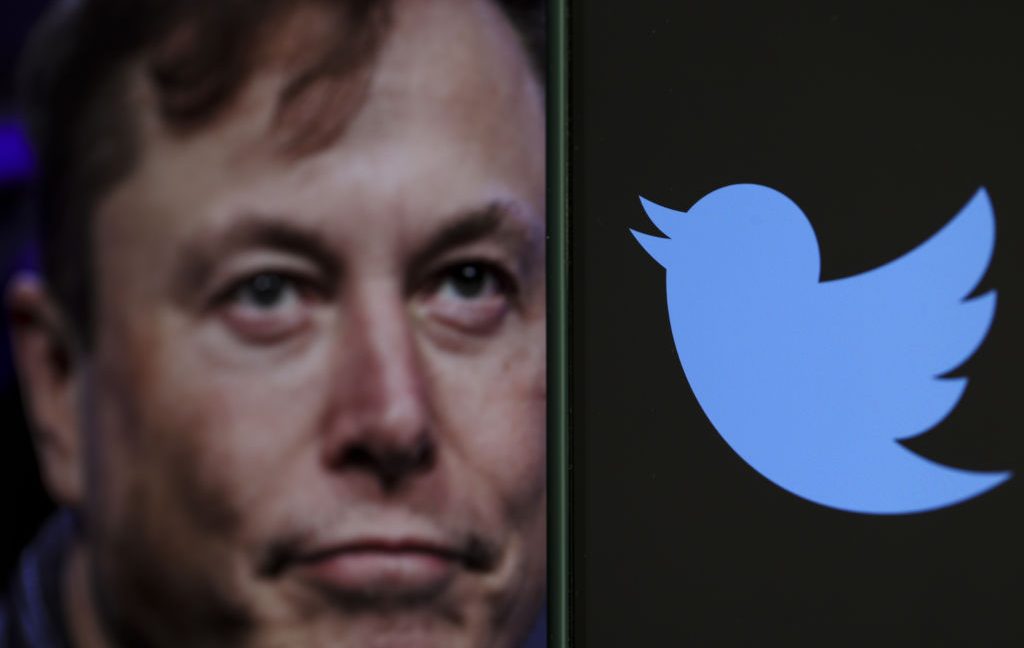
San Francisco – Elon Musk, CEO of Tesla and SpaceX, acknowledged during testimony this week that a tweet he sent in May 2022 regarding his planned acquisition of Twitter, now known as X, “may not have been my wisest” move. The admission came during a Delaware court trial where shareholders allege Musk intentionally tanked the deal to avoid paying a hefty breakup fee, potentially costing them billions. The case centers on whether Musk’s public statements and actions constituted a deliberate effort to drive down Twitter’s stock price after he grew concerned about the company’s financial health and the prevalence of bot accounts.
The lawsuit, brought by shareholders representing a class action, claims Musk violated his fiduciary duty to Twitter and its shareholders. They argue that his tweets, including the one in question, were designed to create doubt about the $44 billion acquisition, ultimately allowing him to walk away from the deal and avoid the agreed-upon termination fee. The shareholders are seeking damages potentially reaching billions of dollars, alleging they suffered financial losses as a result of the stock price decline.
The core of the dispute revolves around a series of communications revealed during the trial. According to reports, a banker advised Musk that raising concerns about the deal could provide an opportunity to renegotiate the price, even at the risk of triggering a “reverse break fee” – a payment a buyer makes to a seller if the buyer fails to complete the acquisition. A subsequent email from Barclays, as reported by the Financial Times, indicated that investors were assigning a 50/50 probability to the deal’s completion, fearing further intervention from Musk via social media. Musk reportedly replied to this email, stating, “Matches my understanding of things.” This exchange is central to the plaintiffs’ argument that Musk was actively working to undermine the deal.
Understanding Breakup and Reverse Breakup Fees in M&A Deals
The legal battle highlights the complexities of merger and acquisition (M&A) agreements, particularly the role of breakup and reverse breakup fees. These fees, as defined by the Corporate Finance Institute, are contractual provisions designed to protect both buyers and sellers in the event a deal falls through. A traditional breakup fee, or target termination fee, is paid by the seller to the buyer if the seller accepts a superior offer. Conversely, a reverse termination fee is paid by the buyer to the seller if the buyer is unable to close the deal due to factors like financing issues or regulatory hurdles. According to IBInterviewQuestions.com, these fees typically range from 2-4% of the deal value for breakup fees and 2-5% (potentially higher for antitrust concerns) for reverse termination fees.
Reverse termination fees act as a form of compensation for the seller, covering lost opportunities and expenses incurred during the negotiation process. They also incentivize the buyer to diligently pursue financing and address potential regulatory concerns. UpCounsel notes that these fees are a crucial risk allocation tool in M&A transactions, offering sellers a degree of security if the buyer fails to follow through. The specific triggers for these fees, as well as the amount, are heavily negotiated during the deal-making process.
Musk’s Testimony and the Shareholder Claims
During his testimony, Musk reportedly became frustrated with questioning from the plaintiffs’ attorneys, accusing them of attempting to mislead the jury and misrepresent his statements. He also cited an “insane workload” of 100 hours per week as a reason for not having fully reviewed his deposition transcripts prior to the hearing. This claim, while potentially relatable to his known work ethic, did little to quell concerns about his preparedness and commitment to the legal proceedings.
The plaintiffs’ legal team argued that Musk deliberately sought to damage Twitter’s reputation and drive down its stock price after experiencing “cold feet” about the acquisition and struggling to secure sufficient funding through Tesla stock. They contend that his actions were a calculated attempt to justify abandoning the deal without incurring the substantial financial penalty of the breakup fee. The attorneys asserted that Musk believed he could act with impunity, regardless of the consequences of his actions.
The trial is expected to last two weeks and will feature testimony from several of Musk’s key advisors and executives. Notably, Alex Spiro, Musk’s lawyer, has recused himself from representing Musk in this case due to his role as a witness. Jared Birchall, head of Musk’s family office, testified earlier in the week, stating that Musk’s tweets were motivated by frustration but that work on the deal continued despite the public statements. Birchall’s testimony attempts to portray Musk’s actions as reactive rather than premeditated.
Beyond Twitter: Musk’s Legal Battles with OpenAI
The legal proceedings surrounding the Twitter acquisition are not Musk’s only current legal challenges. He is also engaged in a separate lawsuit in Oakland, California, against OpenAI, the artificial intelligence research company he co-founded in 2015. Musk is attempting to block OpenAI’s transition from a non-profit to a for-profit entity, arguing that the change violates the company’s original mission. He left OpenAI in 2018 after his attempts to gain control of the organization were unsuccessful. The Financial Times reported that the dispute centers on concerns about OpenAI prioritizing profit over safety and ethical considerations in the development of artificial intelligence.
This ongoing legal battle with OpenAI underscores Musk’s broader concerns about the responsible development and deployment of AI technology. He has repeatedly warned about the potential risks of unchecked AI development and has advocated for greater regulation and oversight. The case highlights the complex ethical and legal challenges posed by rapidly advancing AI technologies.
Key Takeaways
- Elon Musk admitted his tweet regarding the Twitter acquisition “may not have been my wisest.”
- Shareholders allege Musk intentionally undermined the deal to avoid paying a breakup fee.
- The case centers on the interpretation of Musk’s public statements and their impact on Twitter’s stock price.
- Breakup and reverse breakup fees are standard provisions in M&A agreements designed to protect both buyers and sellers.
- Musk is simultaneously involved in a legal dispute with OpenAI over its transition to a for-profit structure.
The Delaware court’s decision in the Twitter shareholder lawsuit could have significant implications for future M&A transactions, particularly regarding the use of social media by corporate executives and the enforceability of deal terms. The outcome will likely be closely watched by investors and legal professionals alike. The next key date in the case is the expected conclusion of the two-week trial, after which the jury will begin deliberations. Readers interested in following the case can discover updates on the Delaware Courts website https://courts.delaware.gov/.
What are your thoughts on the case? Share your opinions and insights in the comments below. Don’t forget to share this article with your network!