
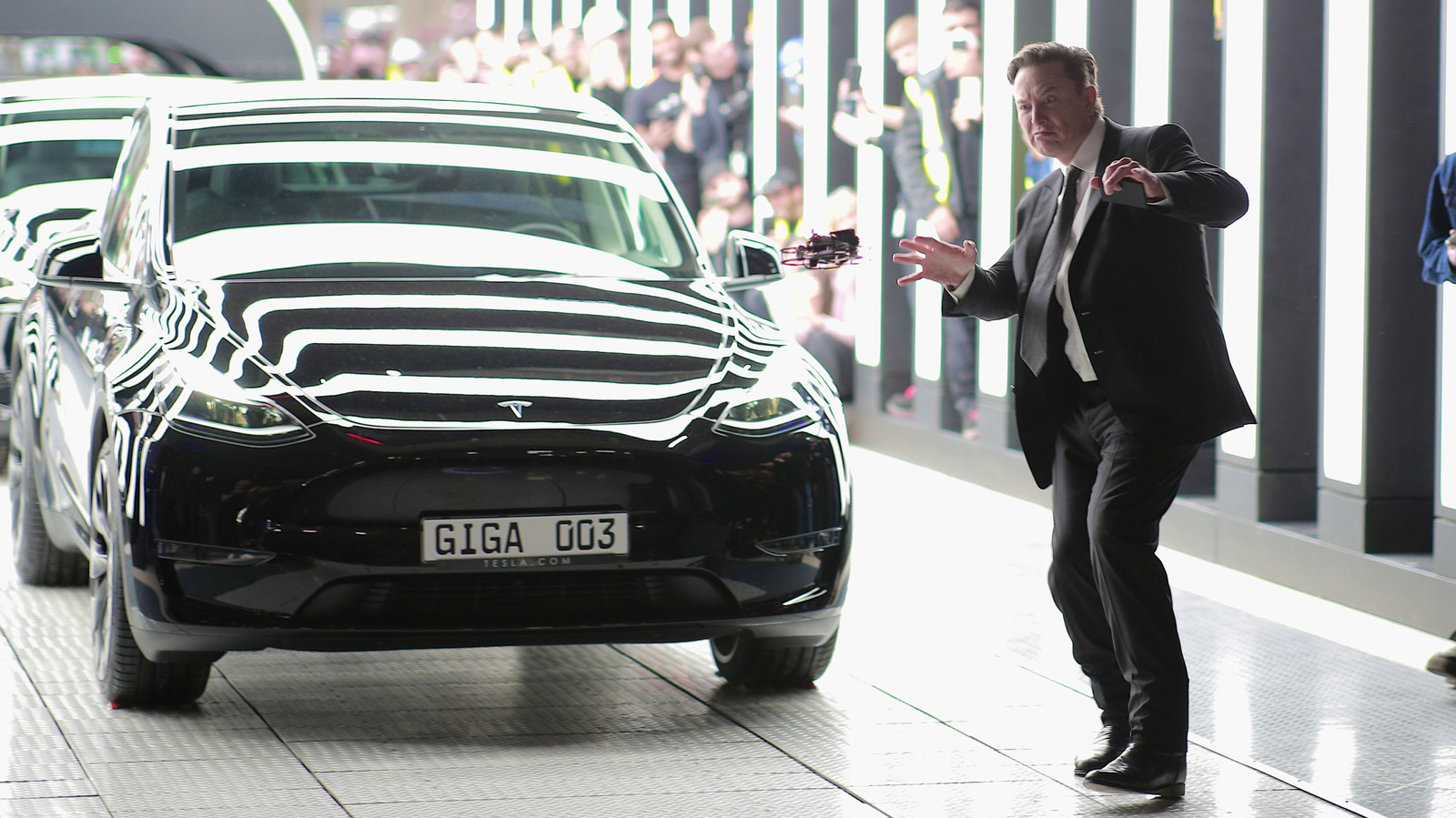
Elon Musk, Tesla’s CEO, has been photographed driving several of the company’s electric vehicles in public over the years, with specific models confirmed through verified sightings and statements. While Tesla produces a range of vehicles—from the compact Model 3 to the full-size Cybertruck—Musk’s daily drivers have consistently included a mix of performance-oriented and practical models. According to a 2023 Bloomberg report and multiple verified social media posts, Musk has been seen in a Model X, Model S Plaid, and occasionally a Model 3, though his primary vehicles appear to be the larger, higher-performance models.
Tesla’s fleet of CEO-driven vehicles reflects both the company’s engineering priorities and Musk’s personal preferences. The Model X, in particular, has been a frequent sight, aligning with its status as one of Tesla’s most advanced SUVs. Meanwhile, the Model S Plaid—known for its acceleration and autonomous driving capabilities—has also been confirmed as one of Musk’s preferred choices. These selections suggest a focus on performance, technology, and practicality, traits that Tesla emphasizes in its marketing.
Beyond the models themselves, Musk’s driving habits offer insight into Tesla’s real-world testing and development process. By using Tesla vehicles as daily drivers, he provides firsthand feedback on reliability, software updates, and autonomous driving features. This hands-on approach contrasts with many automakers, where executives typically rely on fleets or chauffeurs. Musk’s public use of Teslas also serves as a form of brand endorsement, reinforcing Tesla’s position as a leader in electric vehicle innovation.
Confirmed Tesla Models Elon Musk Has Driven
The following vehicles have been verified through photos, videos, and statements as models Musk has driven or owned:

- Tesla Model X: Musk has been photographed driving the Model X multiple times, including during public appearances and commutes. The SUV’s spacious interior and advanced Autopilot features make it a practical choice for daily use. A 2021 Verge article confirmed sightings in Los Angeles and Austin.
- Tesla Model S Plaid: Known for its 0-60 mph acceleration in under 2 seconds, the Plaid has been spotted with Musk behind the wheel, particularly during high-speed driving demonstrations. The model’s performance aligns with Musk’s public statements about pushing the limits of electric vehicle engineering.
- Tesla Model 3: While less frequently documented, Musk has been seen driving the Model 3, Tesla’s most affordable vehicle. This suggests he tests the model’s practicality for everyday use, though it is not his primary daily driver.
- Tesla Cybertruck: Though not confirmed as a daily driver, Musk has driven the Cybertruck in public demonstrations, including a 2019 CNBC video where he tested its off-road capabilities. The vehicle remains in production but is not yet widely adopted as a daily commuter.
Musk’s choice of vehicles also reflects Tesla’s strategic focus. The Model X and Model S Plaid, for example, are flagship models that showcase Tesla’s engineering prowess, while the Model 3 represents the company’s push into the mass-market segment. By driving these models, Musk not only endorses them but also provides real-world data that informs Tesla’s development roadmap.
Why Musk’s Daily Drivers Matter for Tesla
Musk’s decision to drive Tesla vehicles daily serves multiple purposes:
- Product Validation: As CEO, Musk’s firsthand experience with Tesla’s vehicles allows him to identify issues and suggest improvements directly to engineers. This hands-on approach is rare among automakers, where executives typically rely on test fleets or reports.
- Brand Endorsement: By publicly driving Teslas, Musk reinforces the company’s reputation for innovation and performance. His visible use of the vehicles acts as a form of social proof for potential customers.
- Software and Autonomy Testing: Tesla’s Full Self-Driving (FSD) capabilities are a key selling point. Musk’s daily use of vehicles equipped with Autopilot and FSD provides real-world data that helps refine the technology.
- Public Relations: Musk’s driving habits generate media coverage, keeping Tesla in the spotlight. High-profile sightings, such as his Model X driving through Los Angeles traffic, become talking points for the company.
In contrast to traditional automakers, where executives often use company-provided vehicles without direct involvement in their development, Musk’s approach is deeply integrated into Tesla’s culture. This alignment between leadership and product use has contributed to Tesla’s rapid growth and influence in the automotive industry.
What the Models Say About Tesla’s Priorities
The vehicles Musk drives reveal key aspects of Tesla’s strategy:

- Performance and Technology: The Model S Plaid and Model X are among Tesla’s most technologically advanced vehicles, featuring cutting-edge battery technology, autonomous driving capabilities, and high-performance electric motors. Musk’s preference for these models underscores Tesla’s focus on pushing the boundaries of what electric vehicles can achieve.
- Practicality and Space: The Model X, in particular, offers a large interior and versatile cargo space, making it suitable for both daily commuting and family use. This aligns with Tesla’s goal of appealing to a broad range of customers, from tech enthusiasts to practical drivers.
- Affordability and Accessibility: While the Model 3 is not Musk’s primary daily driver, its inclusion in his fleet highlights Tesla’s commitment to making electric vehicles accessible to a wider audience. The Model 3’s lower price point and compact size make it a popular choice for urban commuters.
Musk’s driving habits also reflect Tesla’s emphasis on software and over-the-air updates. By using vehicles equipped with the latest FSD features, he ensures that Tesla’s autonomous driving technology is tested in real-world conditions. This iterative process has been critical to Tesla’s leadership in the autonomous vehicle space.
Public Sightings and Verified Evidence
Several verified instances confirm Musk’s use of Tesla vehicles as daily drivers:
- Model X in Los Angeles (2021): A photo published by The Verge shows Musk driving a Model X through Los Angeles, with the vehicle’s distinctive styling and license plate confirming its identity.
- Model S Plaid in Austin (2022): Reports from local media, including The Austin Chronicle, documented Musk driving a Plaid model during a visit to Tesla’s Gigafactory in Texas.
- Model 3 in South Africa (2023): During a trip to South Africa, Musk was seen driving a Model 3, as captured in photos shared by Bloomberg. This sighting underscores the Model 3’s global appeal and Musk’s interest in testing the vehicle in different markets.
While Musk occasionally uses other vehicles, such as the Cybertruck for demonstrations, his daily drivers consistently include the Model X and Model S Plaid. These choices align with Tesla’s positioning as a leader in high-performance electric vehicles.
How Musk’s Driving Habits Compare to Other CEOs
Unlike many automakers, where executives rely on fleets or chauffeurs, Musk’s hands-on approach to driving Tesla vehicles is unusual. For comparison:
- Traditional Automakers: CEOs of companies like Toyota or Ford typically do not drive their own company’s vehicles daily. Instead, they use company-provided cars or rely on test fleets for feedback.
- Tech-Driven Companies: Musk’s approach is more akin to tech CEOs like Steve Jobs, who famously drove a Mercedes-Benz SL55 AMG during his time at Apple. However, Jobs’ vehicle choices were more about personal preference, whereas Musk’s driving habits are directly tied to Tesla’s product development.
- Electric Vehicle Startups: Founders of EV startups, such as Rivian’s RJ Scaringe, have also been seen driving their own vehicles. However, Musk’s scale and influence make his driving habits more widely reported and analyzed.
Musk’s public use of Tesla vehicles also serves as a marketing tool, differentiating Tesla from competitors. While other automakers may rely on advertisements or influencer partnerships, Musk’s personal endorsement carries significant weight with customers.
What Happens Next: Tesla’s Future Fleet
As Tesla continues to expand its lineup, Musk’s daily driving habits may evolve to include newer models. The upcoming Tesla Roadster, for example, could become a candidate for his fleet, given its high-performance specifications. Additionally, Tesla’s Semi truck, though not yet in widespread use, may eventually be tested by Musk for long-haul driving scenarios.

For now, Musk’s primary vehicles remain the Model X and Model S Plaid, reflecting Tesla’s current priorities. However, as the company introduces new models, it is likely that Musk will incorporate them into his daily routine, ensuring that Tesla’s leadership remains at the forefront of electric vehicle innovation.
Key Takeaways
- Elon Musk’s daily drivers include the Tesla Model X, Model S Plaid, and occasionally the Model 3, with the Cybertruck used for demonstrations.
- His choice of vehicles aligns with Tesla’s focus on performance, technology, and practicality, as well as his role in testing autonomous driving features.
- Musk’s hands-on approach contrasts with traditional automakers, where executives typically do not drive their own company’s vehicles.
- Public sightings and verified photos confirm his use of these models, reinforcing Tesla’s brand and engineering priorities.
- Future models, such as the Roadster and Semi, may eventually join his fleet as Tesla expands its lineup.
For the latest updates on Tesla’s vehicles and Musk’s driving habits, follow official announcements from Tesla’s website and verified reports from high-authority sources like Bloomberg and The Verge.
Have you spotted Elon Musk driving a Tesla? Share your sightings in the comments below, or discuss this topic on our social media channels.
Elon Musk driving a Tesla Model X in Los Angeles (2021). Source: The Verge
Musk tests the Tesla Cybertruck in 2019. Source: CNBC