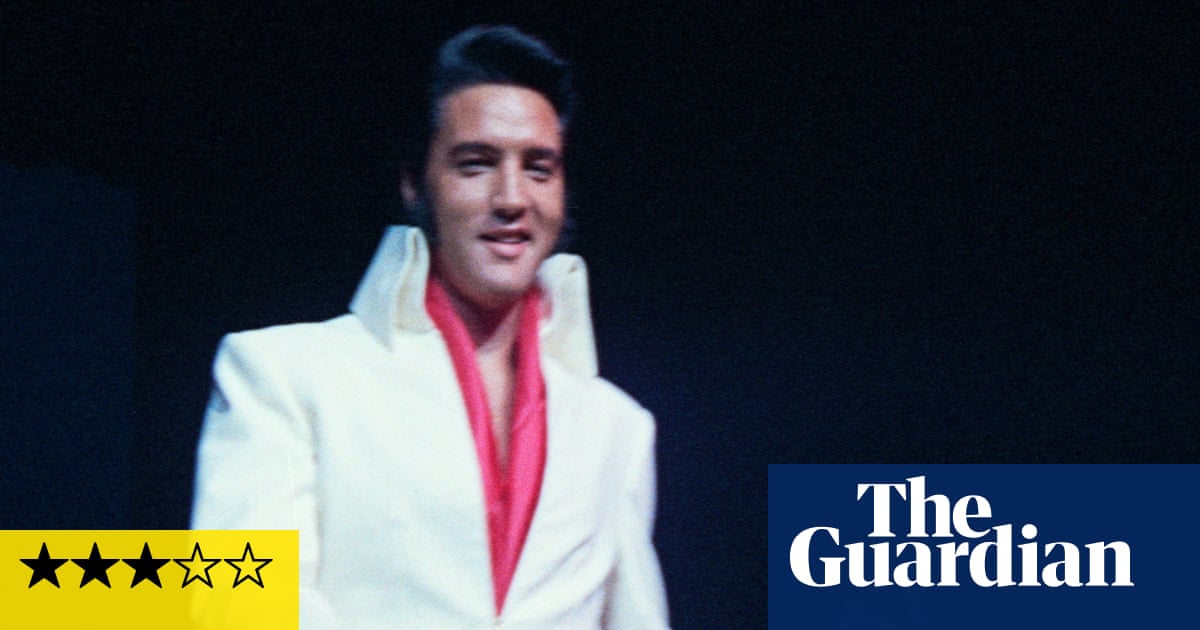
Beyond the Velvet Curtain: Examining Baz Luhrmann’s “Elvis” and the New “EPIC” Cut – A Critical Look at Mythmaking and ancient Obligation
Baz Luhrmann’s “Elvis” was always destined to be more than a biopic; it was a spectacle,a fever dream rendered in rhinestones and reverb. Now, with the release of “Elvis EPIC,” a four-hour extended cut, the conversation around Luhrmann’s vision intensifies. Is it a revelatory deep dive into the King’s life,or a carefully constructed myth,glossing over uncomfortable truths in service of a dazzling,yet ultimately incomplete,portrait? This article delves into both films,analyzing Luhrmann’s stylistic choices,the critical reception,and the growing scrutiny surrounding his handling of Elvis Presley’s complex legacy.
A King Constructed: Luhrmann’s Signature Style and the Vietnam War Moment
Luhrmann’s filmmaking is instantly recognizable – a whirlwind of rapid editing, vibrant colors, and operatic storytelling. This maximalist approach is perfectly suited to Elvis’s own larger-than-life persona, capturing the energy and excitement that defined his performances. “EPIC” doubles down on this aesthetic, offering even more of the visual fireworks that characterized the original.
However, this stylistic exuberance comes at a cost. The film’s handling of elvis’s political stance, notably during the Vietnam War, is a prime example. A pivotal scene features a journalist pressing Elvis on his views, to which he replies, “I’m just an entertainer.” Luhrmann deliberately emphasizes this response, replaying the “I can’t” that follows, and juxtaposing it with footage of Elvis performing “In The Ghetto.” This is a calculated move, framing Elvis as a sympathetic figure constrained by circumstance, a man with a compassionate heart silenced by external forces – namely, his manipulative manager, Colonel Tom Parker (played with chilling effectiveness by Tom hanks).
The constant visual cue of Parker lurking nearby reinforces this narrative, positioning him as the architect of Elvis’s silence. While Parker undoubtedly exerted immense control, this framing feels…convenient. It allows Luhrmann to sidestep a more nuanced exploration of Elvis’s own agency and potential complicity in avoiding controversial political statements. It’s a slick, albeit debatable, narrative tactic.
The Unflattering Truths and the Pursuit of Adulation
This tendency to prioritize adulation over unflinching honesty is a recurring theme. Critics have rightly pointed out that luhrmann consistently “dispenses with the unflattering” aspects of Elvis’s biography. While the film doesn’t shy away from depicting Elvis’s struggles with addiction and the pressures of fame, it often feels as tho these issues are presented as tragic consequences of his extraordinary talent, rather than as complex facets of a flawed individual.the initial premiere saw audiences swept up in the spectacle, dancing in the aisles during iconic performances like ”Burning Love.” This enthusiastic response underscores the film’s success as entertainment, but it also highlights the audience’s willingness to embrace a romanticized version of Elvis.
“EPIC” expands on this, offering more performance footage and further solidifying the image of Elvis as an electrifying stage presence. Luhrmann even slows down his typically frenetic editing, allowing viewers to truly absorb the magnetism of Elvis’s performances - the hip swivels, the vocal dexterity, the captivating charm. the film effectively showcases how Elvis captivated audiences, but it frequently enough avoids asking why his appeal was so potent, and what cultural forces contributed to his rise and fall.
Beyond the Performance: context and the Erasure of Priscilla
Luhrmann’s approach is further complicated by the release of Sofia Coppola’s 2023 film, “Priscilla.” Coppola’s intimate and unflinching portrayal of Priscilla Presley offered a stark contrast to Luhrmann’s grand narrative,exposing the power imbalances and abusive dynamics within the Elvis-Priscilla relationship.
The omission of Priscilla from the initial highlights reel in “Elvis” – and her continued marginalization in “EPIC,” appearing only in fleeting archival footage after the one-hour mark - is deeply telling. Luhrmann strategically deploys these brief glimpses of happiness alongside Elvis’s performance of “Always On My Mind,” attempting to evoke sentimentality. However, this feels manipulative, particularly in light of coppola’s revelations. It’s a calculated attempt to reclaim the narrative and steer the audience towards a more forgiving interpretation of Elvis’s behavior.
“EPIC” as Both Documentary and Performance: A Self-Aware Narrative
Luh
Worth a look