
The decision to relocate internationally, often described as an act of leaving one’s comfort zone, involves a complex weighing of personal risk against the perceived benefits of a new environment. For many expatriates, the psychological transition from fear to confidence is a documented phenomenon in migration studies, reflecting a shift in how individuals navigate the legal, financial, and cultural challenges of establishing a life in a new country. According to the Organization for Economic Cooperation and Development (OECD), the drivers behind such moves are increasingly tied to professional mobility and quality-of-life assessments rather than purely economic necessity.
The transition process for those moving to jurisdictions like the United States requires navigating stringent visa requirements, such as the U.S. Citizenship and Immigration Services (USCIS) regulations, which mandate specific documentation regarding financial solvency and employment status. This administrative burden often acts as the primary source of anxiety for prospective migrants, replacing the initial fear of the unknown with the concrete reality of bureaucratic compliance. Understanding the distinction between voluntary migration and forced displacement remains essential for interpreting the varying experiences of expatriate populations globally.
Navigating the Regulatory Landscape of International Relocation
Relocating to a new country involves significant legal hurdles that vary by destination and the migrant’s home country. For those seeking to move to the United States, the process typically begins with identifying the appropriate visa category, such as the H-1B for specialty occupations or the L-1 for intra-company transferees. As outlined by the U.S. Department of State, applicants must demonstrate that they meet the specific criteria for their visa type, which often includes background checks, medical examinations, and interviews at a U.S. embassy or consulate.
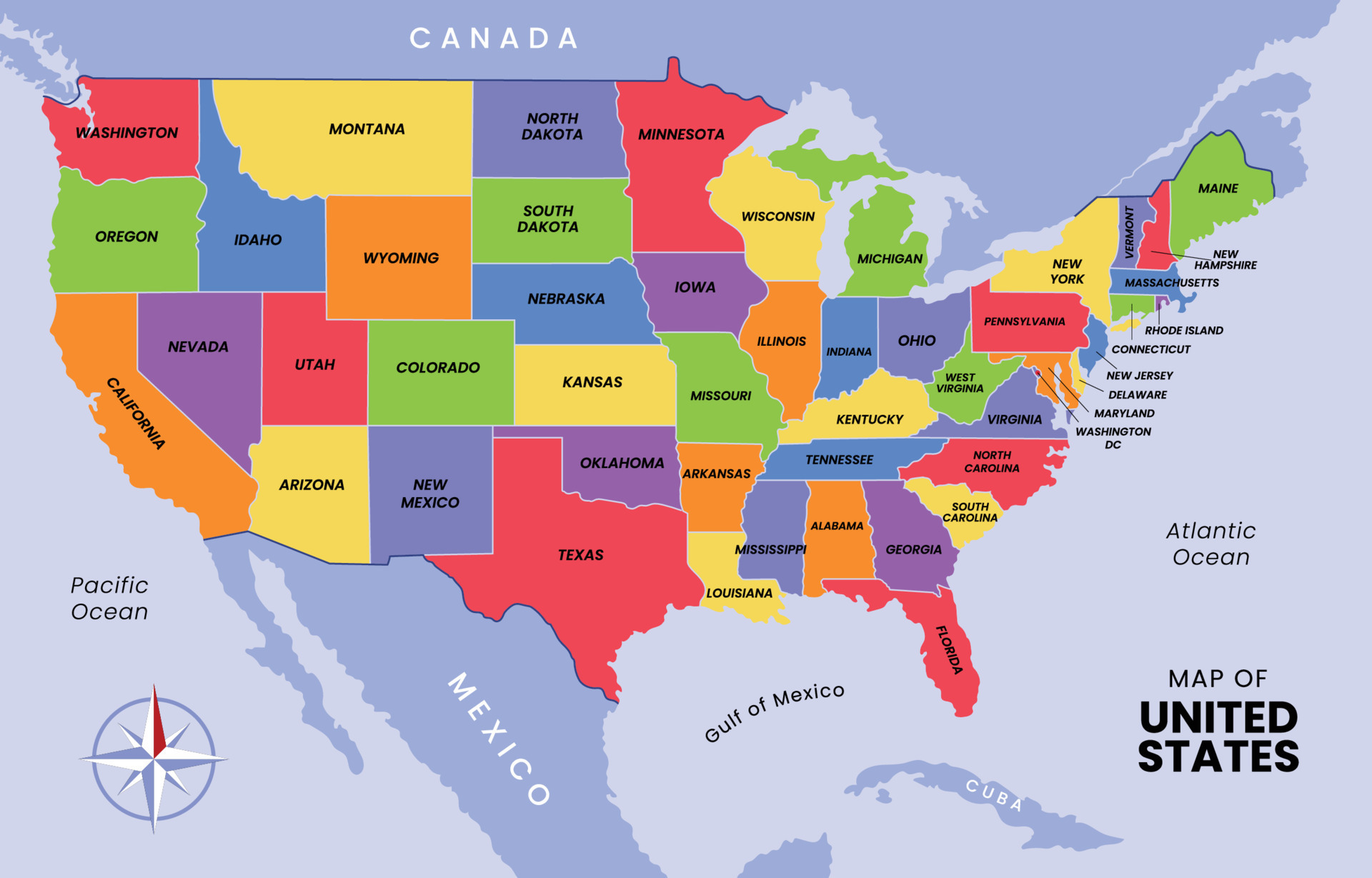
In addition to legal requirements, financial planning is a critical factor in the success of an international move. Expatriates must account for the cost of living differences, healthcare access, and the complexities of international taxation. The Internal Revenue Service (IRS) provides guidance for foreign nationals living in the U.S., highlighting the importance of understanding tax obligations that may persist in both the home and host countries. The psychological impact of these challenges is often mitigated by community support networks and thorough preparation, which shift the focus from the risks of moving to the functional management of a new daily routine.
Psychological Resilience in the Migration Experience
The sentiment expressed by those who view their relocation as a transition from fear to strength aligns with research in cross-cultural psychology. Moving abroad demands high levels of adaptability, often leading to what researchers call “acculturative stress,” followed by a period of adjustment where individuals integrate into the host society. According to a study published by the American Psychological Association (APA), successful integration is strongly correlated with the individual’s ability to maintain social connections and navigate the host culture’s norms while preserving elements of their own identity.

The dichotomy often presented in social media discourse—”risk” versus “security”—rarely captures the nuance of the migratory experience. Most migrants engage in a calculated risk-management strategy rather than a binary choice. By securing employment, understanding the legal framework of their destination, and building a social support system, migrants transform the initial uncertainty of relocation into a stable, long-term commitment. This process of intentional decision-making is what many report as the foundation of their newfound confidence, effectively replacing the fear of the unknown with the security of a well-executed plan.
Evaluating the Risks of Global Mobility
While the narrative of personal growth is common, the risks associated with international relocation are tangible and multifaceted. These risks include the potential for employment instability, the loss of social safety nets, and the challenges of integrating into a foreign educational or healthcare system. The World Bank Group tracks global migration trends and notes that while mobility can lead to significant economic gains, it also exposes individuals to vulnerabilities, particularly if their legal status is tied to a single employer or if they lack access to local social services.
.jpg/560px-International_Durastar_4400_(16279366960).jpg "Evaluating the Risks of Global Mobility")
To mitigate these risks, experts suggest that prospective migrants utilize official resources to verify visa conditions and employment rights. Organizations like the International Organization for Migration (IOM) provide frameworks for safe and orderly migration, emphasizing that the most successful relocations are those characterized by adequate research and a clear understanding of the host country’s legal and social landscape. By prioritizing factual information over anecdotal experiences, individuals can better manage the transition and minimize the impact of the inherent risks involved in such a major life change.
For those currently considering a move, the next phase of the process typically involves gathering necessary documentation and monitoring updates to immigration policies, which are subject to change by national governments. Readers are encouraged to share their experiences with navigating complex relocation processes in the comments section below to foster a broader discussion on the realities of international migration.
Related reading