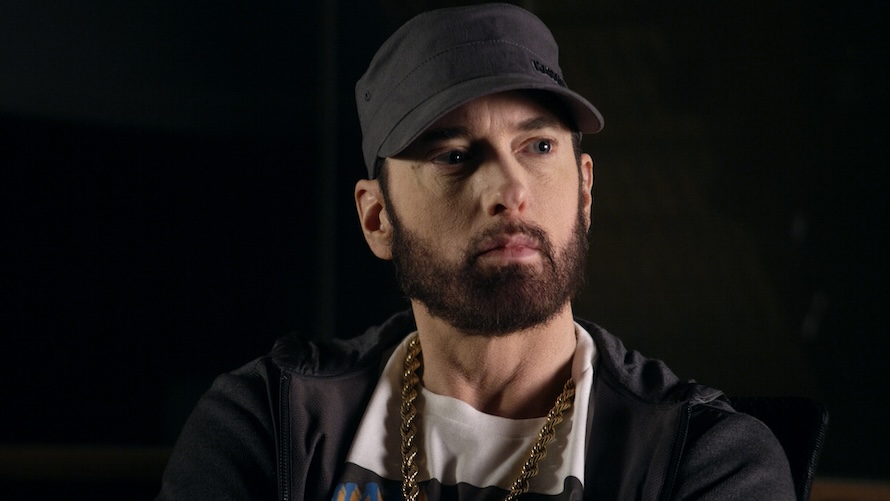
The Slim Shady Trademark Battle: Eminem Sues Australian Beachwear Brand Swim Shady
The world of intellectual property is often a complex landscape, and the recent legal clash between rap icon Eminem and Australian beachwear company Swim Shady perfectly illustrates this. This isn’t simply a celebrity flexing legal muscle; it’s a critical case study in trademark protection, brand dilution, and the global reach of intellectual property rights. This article delves into the intricacies of the dispute,examining the legal arguments,potential outcomes,and broader implications for businesses and artists alike. We’ll explore the nuances of trademark law,the concept of brand association,and the challenges of protecting a globally recognized persona.
Understanding Trademark Law & Brand Protection
did you Know? A trademark can be a word, phrase, symbol, design, or a combination of these elements used to identify and distinguish the source of goods or services.In the US, trademarks are governed by the Lanham Act.
At the heart of this dispute lies the fundamental principle of trademark law: protecting brand identity. A trademark serves as a badge of origin,allowing consumers to easily identify and associate products or services with a specific source. Eminem, whose real name is Marshall Mathers III, has meticulously built a global brand around his stage name, “Slim Shady,” and its associated imagery.He initially trademarked “Slim Shady” in the US in 1999, prior to the release of The slim Shady LP, a move crucial to establishing legal ownership.This early registration is a key component of his current legal strategy.
The core issue isn’t necessarily that Swim shady sells beach umbrellas and bags – it’s the perceived likelihood of consumer confusion. Will customers encountering Swim Shady believe there’s an official endorsement or affiliation with Eminem? This is the central question the US Patent and Trademark Office (USPTO) will consider.
Pro Tip: Before launching a new brand, conduct a thorough trademark search to avoid potential legal conflicts. Resources like the USPTO’s TESS database (Trademark Electronic Search System) are invaluable.
The Swim Shady case: A Timeline & Legal Arguments
the Australian company, initially registered as “Slim Shade” in September 2023, later filed for a US trademark under the name “Swim Shade” in 2024.Eminem’s legal team swiftly responded, petitioning the USPTO to cancel the granted trademark.Their argument hinges on several key points:
* Distinctiveness & Fame: Eminem’s lawyers assert that “Slim Shady” is a “distinctive and famous” mark, widely recognized globally in association with the rapper. This isn’t simply about name recognition; it’s about the established commercial value attached to the persona.
* false Association: The lawsuit alleges that the “Swim Shade” name creates a “false association” between the beachwear brand and Eminem,potentially misleading consumers into believing there’s an official connection.
* Dilution of Brand: Even without direct competition,the use of a similar name could dilute the distinctiveness of the “Slim shady” trademark,weakening its power over time. This is particularly relevant given Eminem’s extensive merchandising and brand licensing activities.
* Delayed Australian Trademark: While Eminem didn’t file a trademark for “Slim Shady” in Australia until January 2025, his prior US registration and established global presence significantly strengthen his position.
Swim Shady, represented by Sydney-based intellectual property firm Meyer West IP, has stated its intention to “defend our valuable intellectual property.” Their defense likely centers on arguments that the two brands operate in distinct markets (music vs. beachwear) and that the name “Swim Shade” is sufficiently different to avoid consumer confusion. Thay may also argue that the Australian registration predates Eminem’s Australian trademark request, although this is unlikely to outweigh his prior US registration and established fame.
Real-World Implications & Similar Cases
This case isn’t isolated. Numerous high-profile trademark disputes demonstrate the lengths to which brands will go to protect their intellectual property.Consider:
* Apple vs. pear Technologies: Apple successfully sued Pear Technologies for using a logo too similar to its iconic apple logo.
* Louis Vuitton vs. Supreme (LVHM): Louis Vuitton pursued legal action against Supreme over a line of products featuring a similar design to its signature monogram.
* Taylor Swift vs. Trademark Squatters: Taylor Swift has actively pursued legal action
Worth a look