
Emma Heming Willis Shares Emotional Video of Bruce Willis, Highlighting Ongoing Battle with Dementia
Emma Heming Willis recently shared an emotional video of her husband, actor Bruce Willis, on Instagram, highlighting the ongoing challenges of his frontotemporal dementia (FTD) diagnosis. The post, shared in celebration of her birthday, has drawn significant attention to the realities of living with neurodegenerative diseases and the necessity of caregiver support.
The video, which depicts the 69-year-old actor in a personal moment, serves as a continuation of the family’s effort to provide transparent updates regarding his health. Since the initial announcement of his diagnosis, the Willis family has maintained a consistent presence on social media to educate the public on the progression of FTD and the impact it has on family dynamics.
While the footage provides a glimpse into the actor’s current life, it also underscores the shift in the family’s focus from the Hollywood spotlight to the intensive requirements of long-term neurological care. The post has prompted widespread discussion among followers regarding the balance between personal privacy and the advocacy efforts led by Emma Heming Willis.
The Progression of Bruce Willis’s Health Status
The public became aware of Bruce Willis’s health struggles in early 2022. Initially, his family released a statement explaining that the actor was stepping away from his career due to aphasia, a condition that affects a person’s ability to communicate. However, in February 2022, his family updated the public, stating that his condition had progressed to frontotemporal dementia (FTD).
According to reports from the Associated Press, FTD is a complex group of disorders that cause progressive nerve cell loss in the brain’s frontal or temporal lobes. Unlike Alzheimer’s disease, which primarily affects memory in its early stages, FTD often manifests through significant changes in personality, behavior, and language capabilities.
The transition from aphasia to a formal FTD diagnosis marked a significant turning point for the Willis family. As the disease progresses, patients often experience difficulty with impulse control, social behavior, and the ability to perform routine tasks. The family has noted that while the challenges are immense, they are focused on providing a high quality of life for the actor within a supportive home environment.
Emma Heming Willis and the Role of Digital Advocacy
Since the diagnosis, Emma Heming Willis has utilized her social media presence to act as a primary communicator for the family. Her posts frequently move beyond traditional celebrity updates, focusing instead on the “unfiltered” aspects of caregiving. By sharing both joyful and difficult moments, she has built a community centered on dementia awareness.

The recent birthday video follows a pattern of advocacy where the family uses specific milestones to highlight the reality of the disease. This approach serves several purposes:
- Destigmatization: Showing the human side of dementia helps reduce the social stigma often associated with behavioral changes in neurodegenerative patients.
- Caregiver Education: Emma has shared insights into the mental and emotional toll that long-term caregiving takes on spouses and family members.
- Resource Connection: Her platform often directs followers toward organizations dedicated to FTD research and support services.
This digital strategy has transformed the family’s public narrative from one of Hollywood tragedy to one of resilience and education. By documenting the day-to-day realities, the family provides a roadmap for others navigating similar diagnoses.
Understanding Frontotemporal Dementia (FTD)
To understand the implications of the Willis family’s updates, it is necessary to distinguish FTD from other common forms of dementia. While Alzheimer’s is more prevalent, FTD is often diagnosed in individuals between the ages of 45 and 65, though it can affect older adults as well.
Medical experts, including those at the Alzheimer’s Association, categorize the symptoms into two primary types:
Behavioral Variant FTD (bvFTD): This type is characterized by changes in personality and social conduct. Individuals may exhibit apathy, loss of empathy, or repetitive behaviors. These changes can be particularly difficult for families to navigate, as the person’s core temperament appears to shift.
Primary Progressive Aphasia (PPA): This variant focuses heavily on language. Patients may struggle to find words, understand speech, or use correct grammar. This was the initial symptom reported by the Willis family during the early stages of Bruce Willis’s illness.
Because there is currently no cure for FTD, treatment focuses on managing symptoms and improving the patient’s functional abilities. This includes speech therapy, occupational therapy, and pharmacological interventions to manage behavioral symptoms.
The Impact on the Willis Family Structure
The diagnosis has unified a large, high-profile family, including Bruce’s ex-wife, actress Demi Moore, and his daughters from various relationships. The family has frequently appeared together in public or shared joint statements, emphasizing a collective approach to his care.
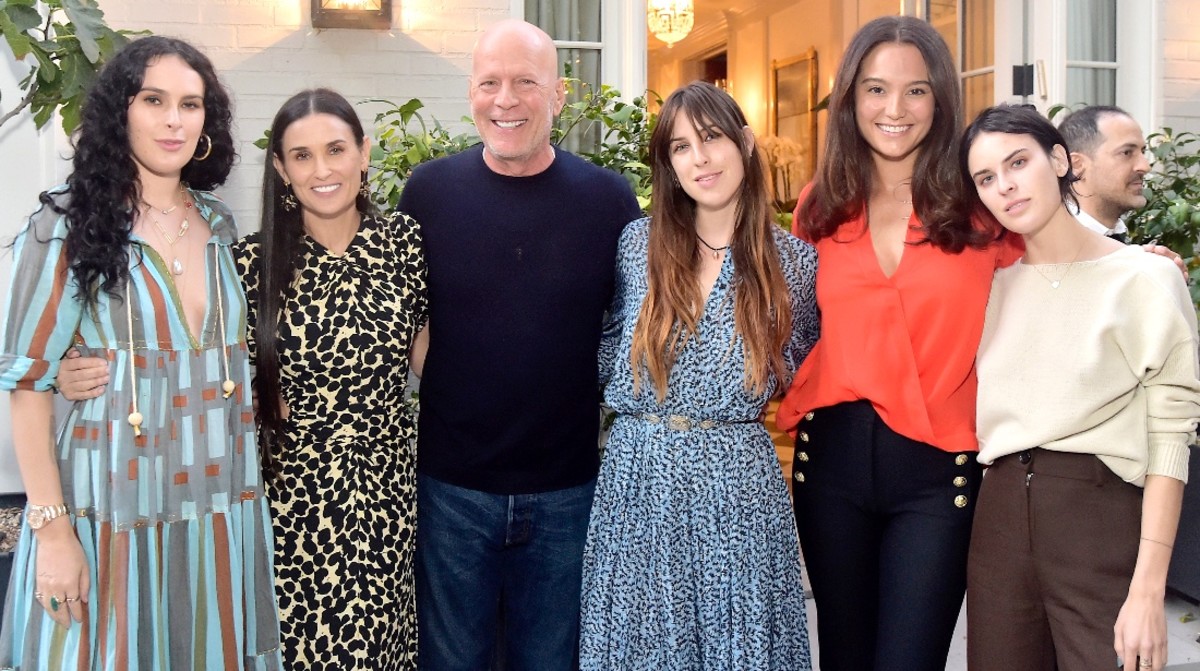
The family structure has adapted to meet the intensive needs of the actor. The presence of his daughters—Rylee, Scout, Tallulah, Maysel, and Evelyn—alongside Emma, creates a multi-layered support system. This collaborative effort is a common necessity for families managing FTD, as the cognitive and behavioral shifts require constant monitoring and emotional stability.
The involvement of Demi Moore has also been significant. Moore has spoken publicly about the complexities of co-parenting and supporting a former partner through a terminal neurological condition, highlighting the importance of extended family cooperation in long-term care scenarios.
Key Takeaways: Managing FTD and Caregiving
- Early Detection: Identifying symptoms like sudden personality changes or language difficulties is critical for early intervention and planning.
- Support Systems: Caregivers require dedicated mental health support to manage the emotional demands of neurodegenerative diseases.
- Communication: Utilizing social media for advocacy can provide both awareness and a sense of community for isolated caregivers.
- Specialized Care: FTD requires different management strategies than Alzheimer’s, particularly regarding behavioral interventions.
There are no scheduled official medical updates from the Willis family at this time. Future information regarding Bruce Willis’s condition will likely be shared via Emma Heming Willis’s verified social media channels or through formal statements from his representatives.
What are your thoughts on the use of celebrity platforms to raise awareness for rare diseases? Let us know in the comments below and share this article with your network.