In the evolving landscape of stroke medicine, the pursuit of effective neuroprotective agents remains a primary objective for clinicians worldwide. Recently, the discussion surrounding the EMPHASIS trial—a study exploring the use of minocycline for acute ischaemic stroke—has returned to the forefront of medical discourse. As we scrutinize the results of clinical trials, the medical community is increasingly focused on the nuances of statistical rigor, patient selection, and the practical generalisability of findings in real-world clinical settings.
The EMPHASIS trial has been a significant point of reference for researchers investigating pharmacological interventions that might mitigate brain injury following an ischaemic event. However, as with many complex medical studies, the interpretation of its outcomes requires a careful balance between observed data and the limitations inherent in trial design. Recent correspondence has highlighted the necessity of viewing such neuroprotective strategies not in isolation, but within the broader context of existing background therapies and the diverse characteristics of patient populations.
The dialogue between researchers, including the recent exchange involving Sherief Ghozy and colleagues, underscores a critical consensus: the path forward in neuroprotection relies on meticulous interpretation. Whether a therapeutic agent shows promise in a controlled environment is only the first step; understanding its efficacy when applied to broader, heterogeneous groups of patients is what ultimately dictates clinical practice.
Understanding the Context of the EMPHASIS Trial
The EMPHASIS trial was designed to evaluate whether the administration of minocycline could improve functional outcomes in patients experiencing acute ischaemic stroke. Minocycline, a tetracycline antibiotic known for its anti-inflammatory and anti-apoptotic properties, has long been hypothesized to offer neuroprotective benefits. Yet, as the medical community continues to analyze the trial data, the conversation has shifted toward the limitations that affect the interpretation of these findings.
One of the primary challenges identified by experts is the issue of statistical robustness. When analyzing trial results, it is essential to determine whether the reported benefits are truly reflective of the intervention or if they are influenced by variables that were not fully controlled. The role of background therapy—such as standard-of-care thrombolysis or mechanical thrombectomy—plays a pivotal role in determining whether an add-on treatment like minocycline provides a measurable, incremental benefit to the patient.
Generalisability remains a cornerstone of this discussion. A trial may show success within a strictly defined patient cohort, but the true test of a treatment lies in its applicability to the general population, which often includes patients with various comorbidities, different stroke severities, and diverse demographic backgrounds. For those interested in the ongoing evaluation of stroke treatments, the full discourse on the EMPHASIS trial limitations provides a deeper look into the methodological considerations currently being debated by experts.
Neuroprotective Strategies in Acute Ischaemic Stroke
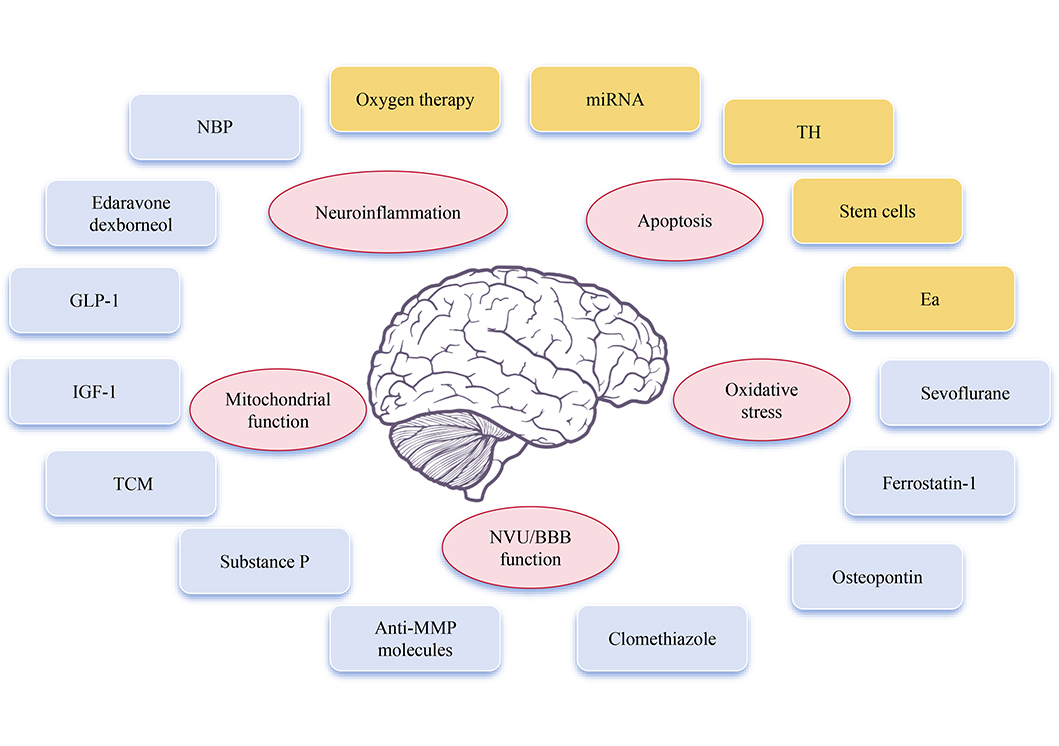
Neuroprotection in the context of stroke refers to strategies aimed at salvaging the penumbra—the area of brain tissue surrounding the core of an infarct that remains viable but is at risk of dying. While the goal is clear, the delivery of effective neuroprotection has proven elusive in clinical trials. The debate surrounding minocycline is representative of a larger challenge in neurology: translating promising preclinical results into clinical reality.

The consensus among researchers is that neuroprotective research must prioritize several key areas to achieve meaningful progress:

- Statistical Robustness: Ensuring that trial endpoints are clearly defined and that the sample sizes are adequate to detect clinically significant differences.
- Patient Stratification: Recognizing that not all stroke patients respond to neuroprotective agents in the same way, necessitating more personalized approaches to trial enrollment.
- Integration with Standard Care: Evaluating how new agents interact with established, life-saving procedures like mechanical thrombectomy.
As we move forward, the emphasis is shifting toward more sophisticated trial designs that can better account for the complexity of stroke pathology. This includes a growing recognition that the timing of intervention, the specific mechanism of the stroke, and the baseline health of the patient are all critical factors that determine the success of any neuroprotective strategy.
The Future of Stroke Research and Clinical Application
The ongoing analysis of the EMPHASIS trial serves as a reminder that science is an iterative process. Every trial, regardless of whether it meets its primary endpoint or highlights unexpected limitations, contributes to our collective knowledge. For clinicians and researchers, the lesson is clear: we must continue to refine our methodologies and maintain a high standard of evidence before integrating new therapies into routine practice.

Looking ahead, the medical community will continue to monitor updates related to neuroprotective research. Efforts to standardize reporting and improve transparency in trial design are already underway, supported by organizations such as the European Association of Science Editors, which promotes best practices in medical communication and research integrity. As clinical trials evolve, so too will our ability to provide more effective, evidence-based care to patients suffering from acute ischaemic stroke.
We invite our readers to join the conversation. How do you see the role of neuroprotection evolving in the next decade of stroke care? Please share your thoughts and perspectives in the comments section below, and stay tuned to our Health section for further updates on clinical research and medical innovation.
Related reading