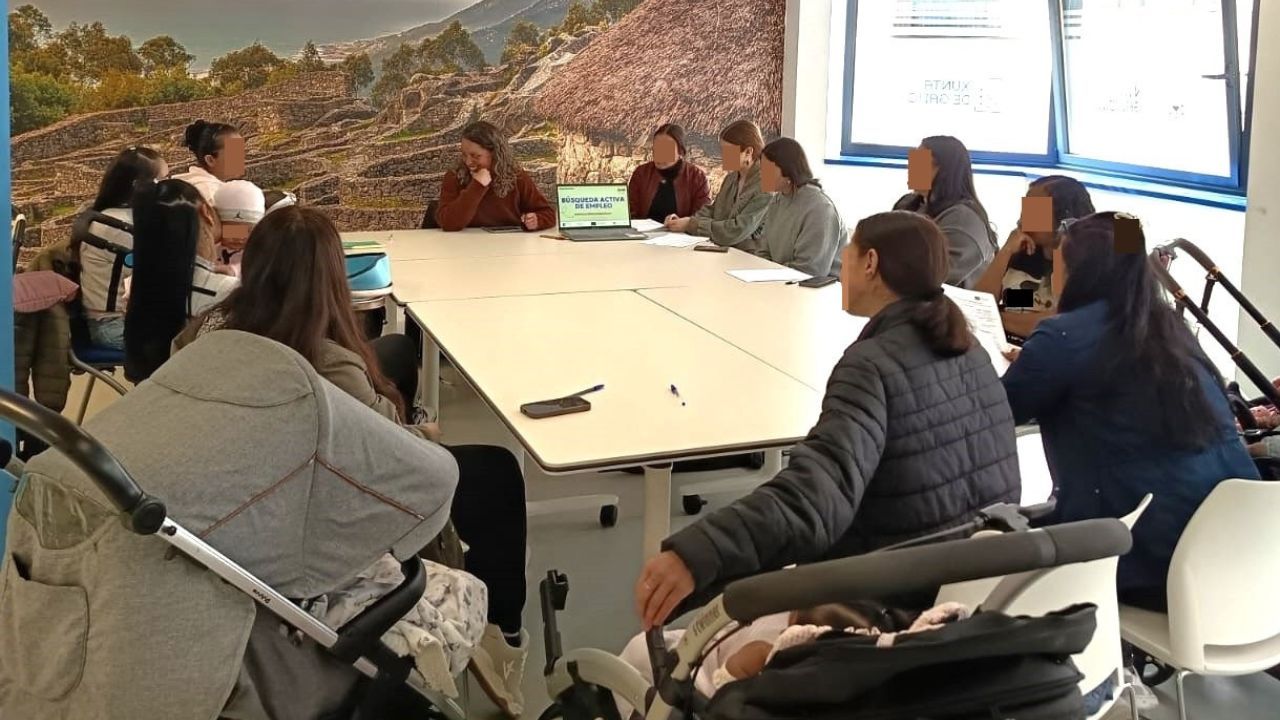
On April 23, 2026, La Voz de Galicia reported on a project led by the Fundación “la Caixa” aimed at supporting vulnerable pregnant women and mothers with young children in the province of Pontevedra, Spain. The initiative, known as NAIS, focuses on strengthening personal, familial, and professional autonomy for women facing social exclusion during pregnancy and early motherhood. This effort reflects a broader commitment by the foundation to address gendered vulnerabilities through targeted social programs.
The NAIS project, developed by the Asociación Red Madre de Pontevedra, has been operational since 2010 and receives funding through the Fundación “la Caixa”’s Social Projects Calls. It serves pregnant women and mothers of children under three years old who are at risk of exclusion. The program operates from two centers—one in Pontevedra city and another in Vigo—offering individualized accompaniment to improve emotional regulation, family relationships, access to training, and employment opportunities.
According to Mónica Fernández, a technician at the Red Madre association, the project’s core mission is to provide personalized support to women in vulnerable situations throughout pregnancy and the early years of motherhood. This includes guiding participants toward public and private resources such as housing subsidies and transportation aid, while also offering emotional, psychological, legal, health, and educational support. The program emphasizes an integrated approach, recognizing that economic, social, and emotional factors are interconnected in determining maternal well-being.
The Fundación “la Caixa” has maintained a sustained commitment to initiatives that promote social inclusion for women in precarious circumstances. In July 2025, the foundation renewed its support for a housing reception program managed by Iniciatives Solidàries, which provides emergency shelter and comprehensive integration pathways for women experiencing housing insecurity. That initiative includes labor orientation, vocational training, legal and administrative counseling, psychological accompaniment, and assistance with school enrollment for children—demonstrating a consistent model of holistic care across multiple programs.
These efforts align with the foundation’s century-long mission to create opportunities for those most in require. While the NAIS project specifically targets perinatal and early parenting support, it shares foundational goals with other Fundación “la Caixa”-backed initiatives: fostering autonomy, reducing exclusion, and strengthening family units through coordinated, accessible services. The integration of services—from legal aid to job training—reflects an understanding that sustainable empowerment requires addressing multiple dimensions of vulnerability simultaneously.
For women navigating pregnancy or early motherhood amid economic hardship, social isolation, or systemic barriers, programs like NAIS represent more than temporary assistance; they offer a structured path toward long-term resilience. By combining material support with skill-building and emotional care, such initiatives aim not only to alleviate immediate challenges but also to shift trajectories toward greater independence and community participation.
As of April 2026, the NAIS project continues to operate in Pontevedra and Vigo, serving as a localized example of how philanthropic investment can reinforce public social services. No official announcements regarding program expansion, funding changes, or policy updates have been made beyond the reported activities. Those seeking current information on the project or similar initiatives are encouraged to consult the Fundación “la Caixa”’s official website or contact the Asociación Red Madre de Pontevedra directly.
What does this kind of targeted support mean for the future of maternal health and social equity? How can models like NAIS inform broader policy approaches to supporting vulnerable families? These questions remain open for discussion among practitioners, policymakers, and communities invested in health equity and inclusive development.
We invite readers to share their perspectives, experiences, or insights on maternal support programs in the comments below. If you found this overview informative, please consider sharing it with others who may benefit from understanding how targeted interventions can make a meaningful difference in the lives of vulnerable women and their children.
Keep reading