The political landscape in Kampala has been dominated by a high-profile display of anti-corruption enforcement that has drawn significant public and international attention. Ugandan authorities recently took the unusual step of displaying a Rolls-Royce vehicle, reportedly linked to the Speaker of Parliament, Anita Annet Among, in a public demonstration that has sparked intense debate regarding the nature of the country’s current anti-graft initiatives.
This development follows a period of heightened scrutiny surrounding Uganda’s legislative leadership. As the Speaker of the Parliament of Uganda, Anita Annet Among has faced increasing pressure amid broader discussions concerning public accountability and the management of state resources. The public display of assets associated with high-ranking officials serves as a focal point for ongoing tensions within the ruling National Resistance Movement (NRM) and the broader political establishment.
The incident has prompted observers to question the motivations behind the operation. While the government maintains that these actions are part of a transparent effort to curb corruption, critics and political analysts suggest the move may reflect internal power struggles, particularly as the political class navigates shifting alliances ahead of future electoral cycles. The intersection of parliamentary oversight and executive-led investigations remains a critical area of concern for governance in the region.
The Context of Anti-Corruption Efforts in Uganda
Corruption remains a significant challenge in Ugandan public administration, with various state agencies tasked with oversight and enforcement. The Inspectorate of Government, led by the Inspector General of Government (IGG), is the primary body responsible for investigating allegations of illicit enrichment and abuse of office. According to the Inspectorate of Government, the mandate includes the promotion of the rule of law and the elimination of corruption through both investigation and public education.
The current climate is characterized by a series of legislative and executive actions designed to signal a tougher stance on financial misconduct. However, the application of these policies often draws skepticism. When high-profile figures are targeted, the distinction between a genuine pursuit of accountability and politically motivated maneuvering becomes a central theme in public discourse. This skepticism is often fueled by the perception that anti-corruption campaigns are selectively applied to marginalize rivals within the ruling party.
For citizens, the visibility of such luxury assets in the context of an anti-corruption probe highlights the stark disparity between the standard of living of the political elite and the general population. As noted by the Transparency International Corruption Perceptions Index, Uganda continues to face systemic hurdles in ensuring that public funds are utilized effectively and that officials remain accountable for their declared assets.
Political Dynamics and Internal Power Struggles
The role of the Speaker of Parliament is inherently powerful, placing the incumbent at the center of legislative and political processes. Anita Annet Among, who has served in this capacity since her election in 2021, occupies a position that requires balancing executive directives with parliamentary independence. Recent developments suggest that this balance is under strain.
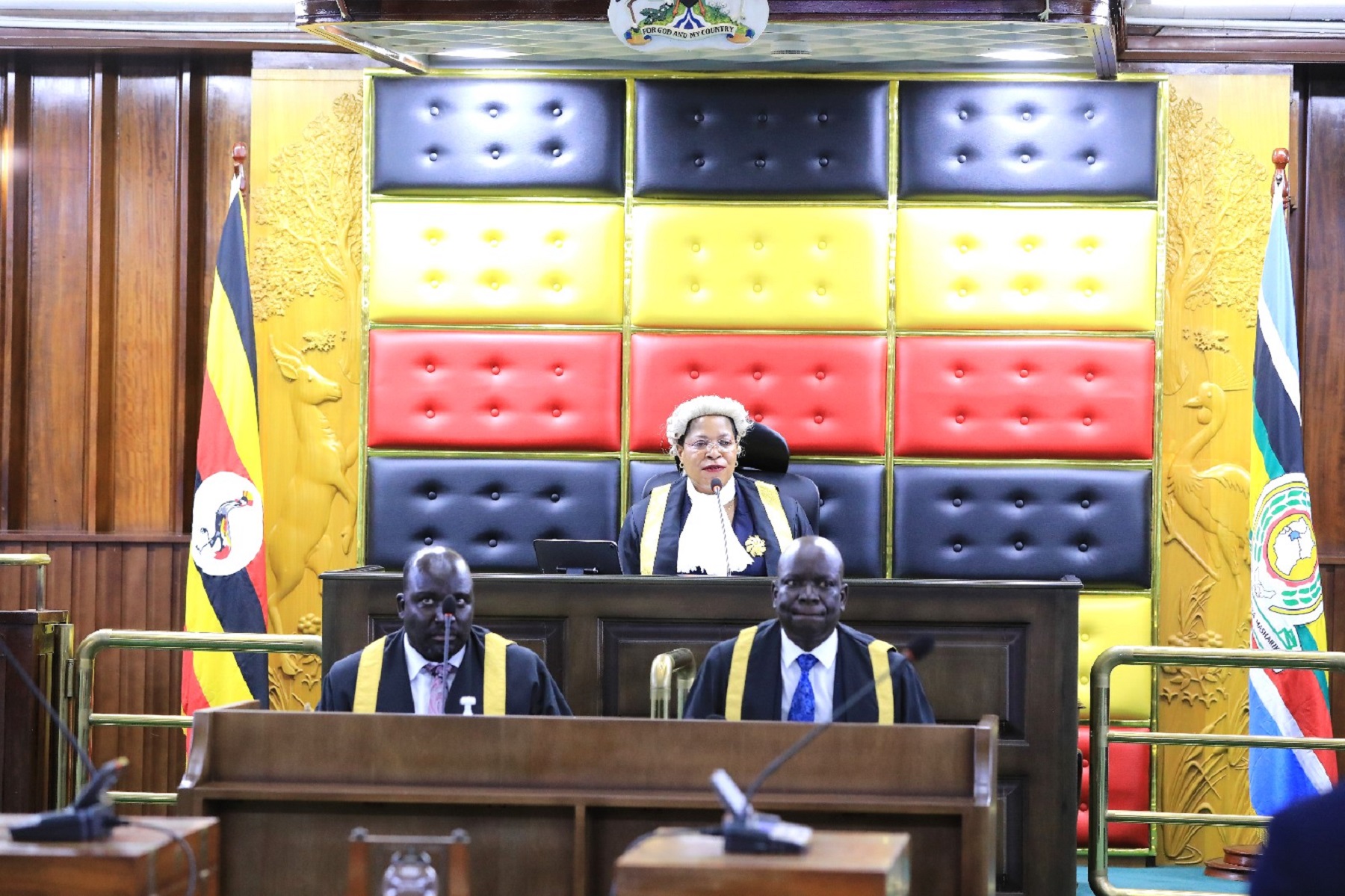
Political analysts often point to the influence of President Yoweri Museveni, who has led Uganda since 1986, as the primary arbiter of power within the state. As the political landscape evolves, the emergence of potential successors—including within the President’s own family—has created new dynamics. Observers suggest that figures who appear to challenge or threaten the consolidation of power by the President’s inner circle may find themselves subject to increased scrutiny from state agencies.
The use of public displays to highlight the wealth of officials is a tactic that serves both as a deterrent and a tool for political signaling. By focusing on the acquisition of high-value items, the authorities can effectively shape public opinion and undermine the credibility of those under investigation. Whether this leads to formal legal consequences or remains a tool of political pressure is a question that continues to occupy the attention of local civil society groups and international observers.
Looking Ahead: Accountability and Governance
The path forward for Uganda’s anti-corruption agenda remains uncertain. Legal processes in Uganda are often lengthy, and the outcomes of high-profile cases can take years to materialize. The Judiciary of Uganda remains the ultimate arbiter in cases where officials contest the findings of investigative bodies, and the independence of these legal proceedings is frequently tested by political pressures.
For the average Ugandan, the primary concern is whether these investigations will result in meaningful systemic change. Accountability requires not only the investigation of individual cases but also the strengthening of institutional frameworks that prevent corruption from occurring in the first place. Without such reforms, public displays of enforcement may be viewed as mere theater rather than a genuine commitment to reform.
As the country prepares for future political milestones, the tension between the executive and the legislature will likely persist. Observers are advised to monitor official statements from the Parliament of Uganda and the Inspectorate of Government for updates regarding the status of ongoing investigations. These institutions provide the most direct information regarding the legal basis for current actions and any subsequent charges that may be filed.
We invite our readers to share their perspectives on the role of oversight in modern governance. How can nations effectively balance political stability with the need for rigorous anti-corruption enforcement? Please join the discussion in the comments section below, and share this report with those interested in the evolving political landscape of East Africa.
Related reading