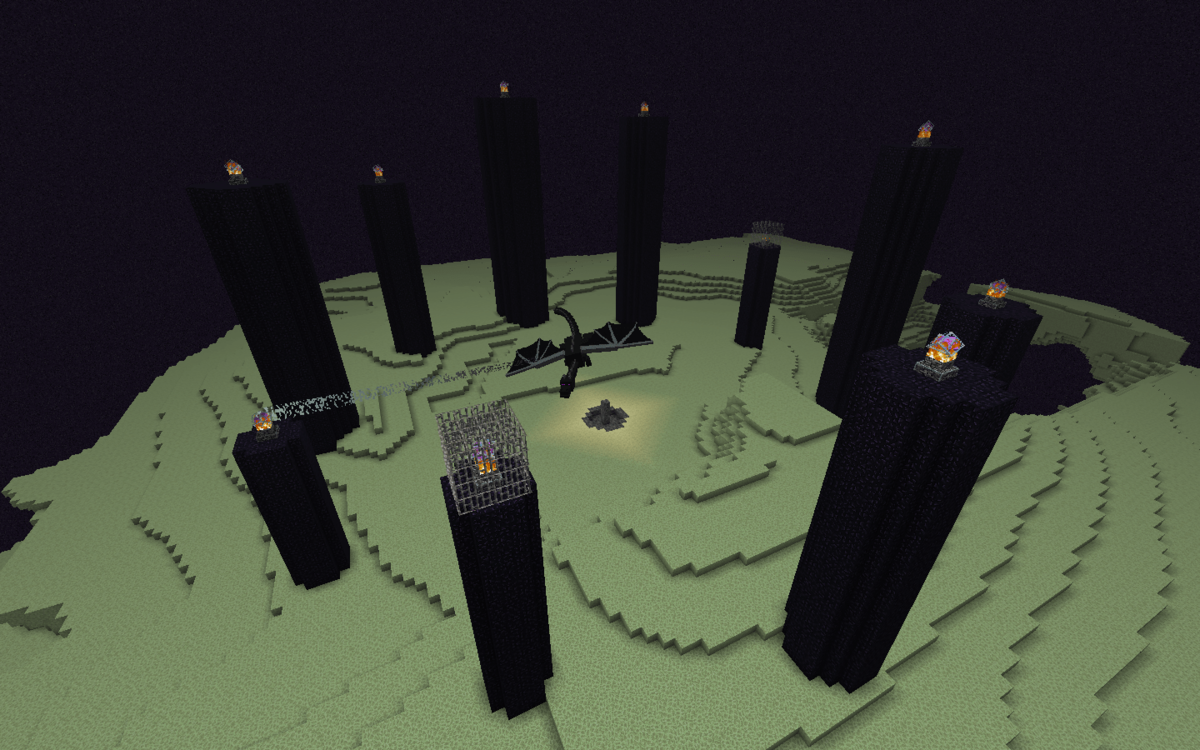
Major gaming companies are accelerating the sunsetting of long-standing titles as part of a broader industry shift toward streamlining service portfolios and reducing operational overhead. This trend, often referred to by industry analysts as a “lineup pruning,” has recently claimed several titles that have been active for over two decades, leaving veteran player communities to face the end of multi-year virtual environments.
The decision to shutter these legacy services typically follows a decline in active user counts and the rising cost of maintaining server infrastructure for aging software architectures. According to financial disclosures from major publishers, companies are increasingly prioritizing resources for mobile-first titles and high-fidelity live service games, leading to the decommissioning of legacy projects that no longer meet internal growth targets.
The Industry Shift Toward Portfolio Optimization
The gaming industry has entered a period of consolidation as developers and publishers attempt to navigate shifting consumer spending habits. Data from industry research firms indicates that while the global gaming market continues to grow, the retention rate for legacy PC titles has seen a downward trend as players migrate to cross-platform ecosystems. This movement is forcing companies to re-evaluate the utility of maintaining servers for games that launched in the early 2000s.
For many studios, the decision to terminate a game is not merely about server costs but involves complex licensing agreements, security patches for outdated codebases, and the allocation of technical staff. When a title reaches its “end-of-life” (EOL) status, companies generally provide a notice period to allow players to transition their progress or spend remaining in-game currency. Official announcements regarding these closures are typically posted on dedicated support forums or corporate investor relations portals, which serve as the primary source of truth for affected users.
Impact on Long-Term Player Communities
The closure of games with 25-year histories represents a significant loss of digital heritage. Many of these titles were pioneers in the Massively Multiplayer Online (MMO) space, establishing early templates for social interaction and in-game economies. When these services go offline, the social structures built within them—often spanning decades—are permanently dismantled.
Industry observers note that while developers often attempt to mitigate backlash by offering incentives for migrating to newer titles, the player response is frequently characterized by a sense of frustration. The loss of digital assets, such as rare items or historical achievements, remains a point of contention in the community. Companies have largely maintained that the technical requirements to keep these legacy environments secure and functional outweigh the benefits of preserving them indefinitely, citing standard lifecycle management policies.
What Happens to Digital Assets and Data?
When a game service is discontinued, the process usually follows a standardized sequence. First, the publisher restricts new account registrations and disables in-game purchases. Second, a countdown is initiated, often spanning 30 to 90 days, during which the game remains playable but unsupported. Finally, the servers are permanently decommissioned.
Players are frequently advised to review the Terms of Service (ToS) associated with their accounts. Most major publishers include clauses stating that access to online services is a license, not a permanent ownership of the digital software. While some gaming advocacy groups have petitioned for “offline modes” or the release of server code to the community, most commercial entities opt for a clean shutdown to protect intellectual property rights and avoid ongoing maintenance liabilities.
Looking Ahead: The Future of Legacy Gaming
The current cycle of lineup pruning is expected to continue as publishers look to maximize profit margins in a competitive market. Investors are increasingly focused on “efficiency metrics,” which include the removal of underperforming assets. For the average player, this means that the longevity of an online game is no longer guaranteed, regardless of its historical significance or dedicated player base.

The next major checkpoint for many of these companies will be their quarterly earnings calls, where they typically outline their strategy for new project development and the status of their existing service portfolios. Readers looking for updates on specific titles should monitor official developer social media channels and corporate news rooms for the most accurate, verified information regarding service availability. We encourage readers to share their thoughts on the evolution of live-service games and how these closures have impacted their own gaming experiences in the comments section below.
Related reading