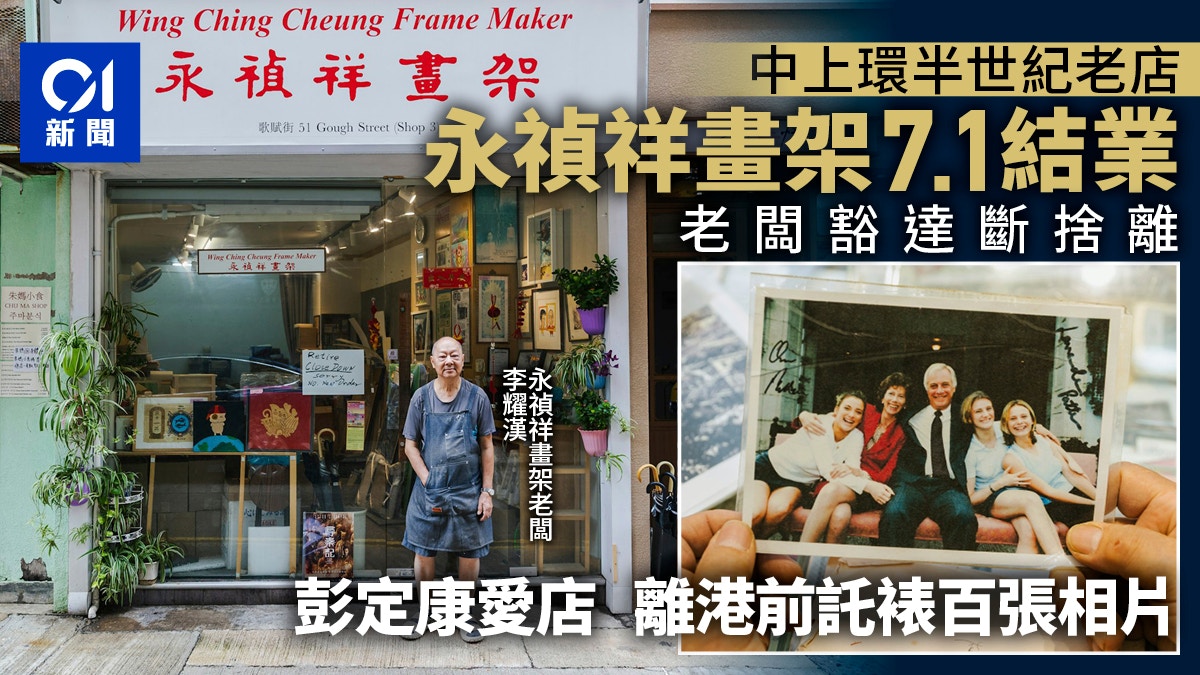
Wing Ching Cheung, a long-standing picture frame shop located in Sheung Wan, Hong Kong, officially ceased operations on July 1, 2024, marking the end of a half-century of service in the district. The closure of the traditional craft business reflects the shifting commercial landscape of Hong Kong’s historic neighborhoods, where rising rents and changing consumer habits have pressured long-term independent retailers.
The shop’s proprietor, who has operated the establishment for decades, described the decision as a peaceful transition into a new stage of life. According to local reporting on the closure, the owner opted for a “letting go” approach, emphasizing a philosophy of decluttering and personal reflection rather than viewing the end of the business as a loss. This sentiment of “attaining a new stage in life” has resonated with local residents and patrons who frequented the shop for its specialized framing services and traditional craftsmanship.
Sheung Wan, known for its mix of colonial-era architecture and modern commercial development, has seen a steady decline in traditional, family-run businesses over the past decade. The closure of Wing Ching Cheung contributes to a broader trend identified by the Hong Kong Tourism Board, which notes that while the city remains a hub for heritage tourism, the physical footprint of traditional trades is increasingly constrained by urban renewal projects and the Lands Department’s management of commercial land use in high-density districts.
The Evolution of Traditional Craftsmanship in Hong Kong
For fifty years, Wing Ching Cheung served as a fixture for local artists and families seeking custom framing solutions. Unlike mass-produced alternatives, the shop relied on manual techniques that required significant time and precision. The owner’s departure highlights the challenge of succession in small-scale manufacturing businesses, where the physical labor involved often does not align with the career expectations of younger generations.

The business model of such shops often relies on long-term relationships with neighborhood clients and a deep knowledge of material preservation. As the industry shifts toward digital printing and automated assembly, traditional workshops face increased competition from larger retailers that offer lower price points. Data from the Census and Statistics Department of Hong Kong suggests that the retail sector has faced significant pressure since 2020, with small-to-medium enterprises (SMEs) reporting higher vacancy rates in older districts like Central and Western.
Impact on the Sheung Wan Community
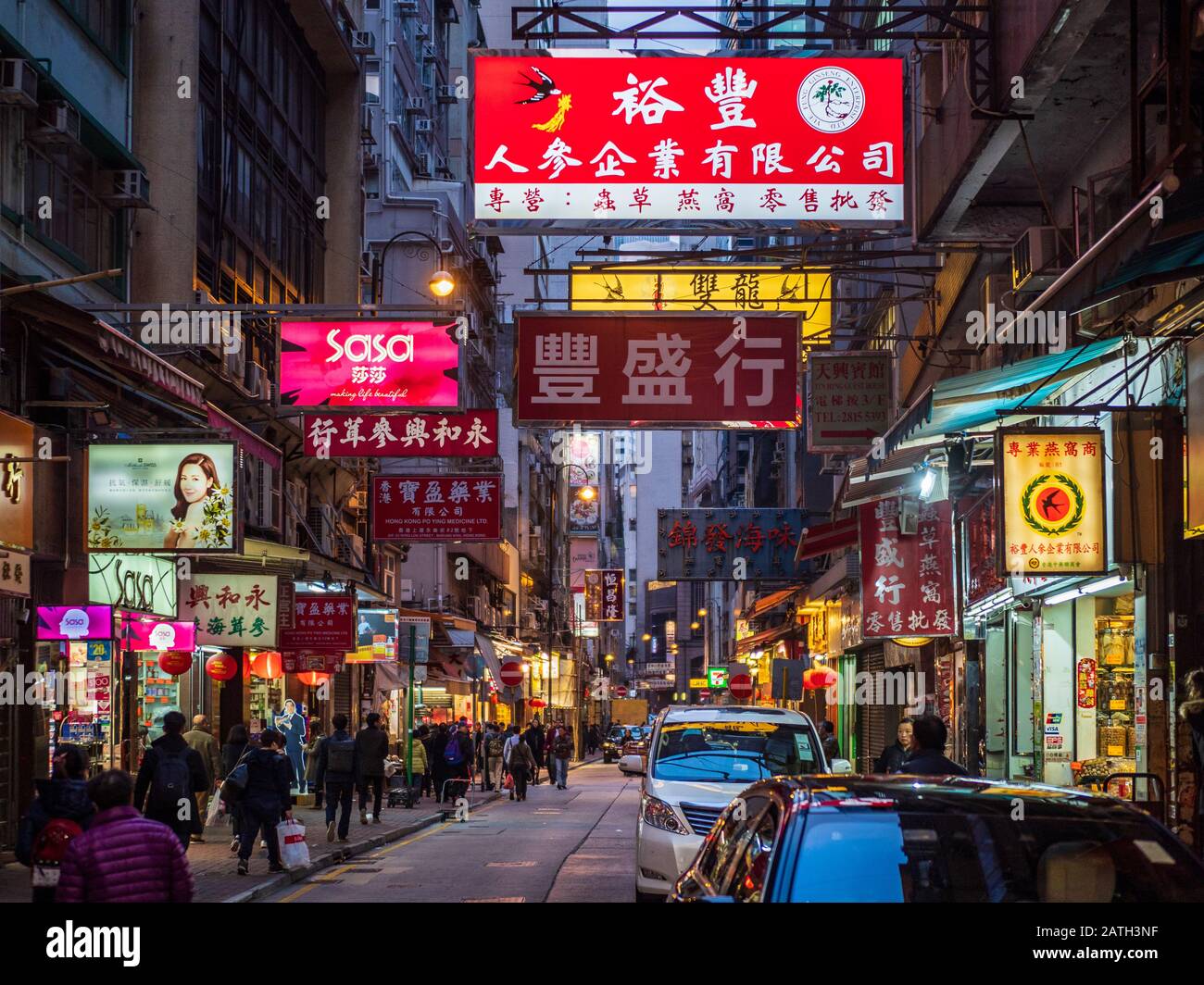
The loss of a half-century-old shop is more than a commercial change; it represents a shift in the cultural fabric of Sheung Wan. The district has historically been a center for traditional industries, including dried seafood, Chinese medicine, and artisanal goods. As these shops close, the character of the streetscape changes, often replaced by cafes or boutiques that cater to a different demographic.
Local patrons and community members have expressed a sense of loss, as the shop was viewed as a repository of local history and a point of connection for the neighborhood. The owner’s decision to close on July 1, a date often associated with significant civic and historical milestones in Hong Kong, was framed as a personal choice to move forward. This outlook, characterized by the owner as “豁達” (open-minded or magnanimous), suggests a desire to conclude the business on their own terms, rather than under the duress of external financial collapse.
What Happens Next for Traditional Retailers
The closure of Wing Ching Cheung serves as a case study for the sustainability of legacy businesses in Hong Kong. Experts in urban planning often point to the need for adaptive reuse policies, such as those discussed by the Urban Renewal Authority (URA), which aim to balance the preservation of historic districts with the need for modern economic growth. However, for many shop owners, the reality remains a difficult choice between retirement and the increasing overhead costs of operating in the city’s dense urban core.

As the site of the former shop transitions to its next chapter, the owner’s story remains a testament to the endurance of traditional craftsmanship in a rapidly changing city. Those interested in the history of Hong Kong’s retail sector can consult the archives at the Leisure and Cultural Services Department for records on heritage businesses and their historical significance to the city’s development.
The story of Wing Ching Cheung is not an isolated incident but part of a continuous cycle of change in the Sheung Wan district. Readers are encouraged to share their experiences of the shop or their thoughts on the preservation of traditional trades in the comments section below.
Worth a look