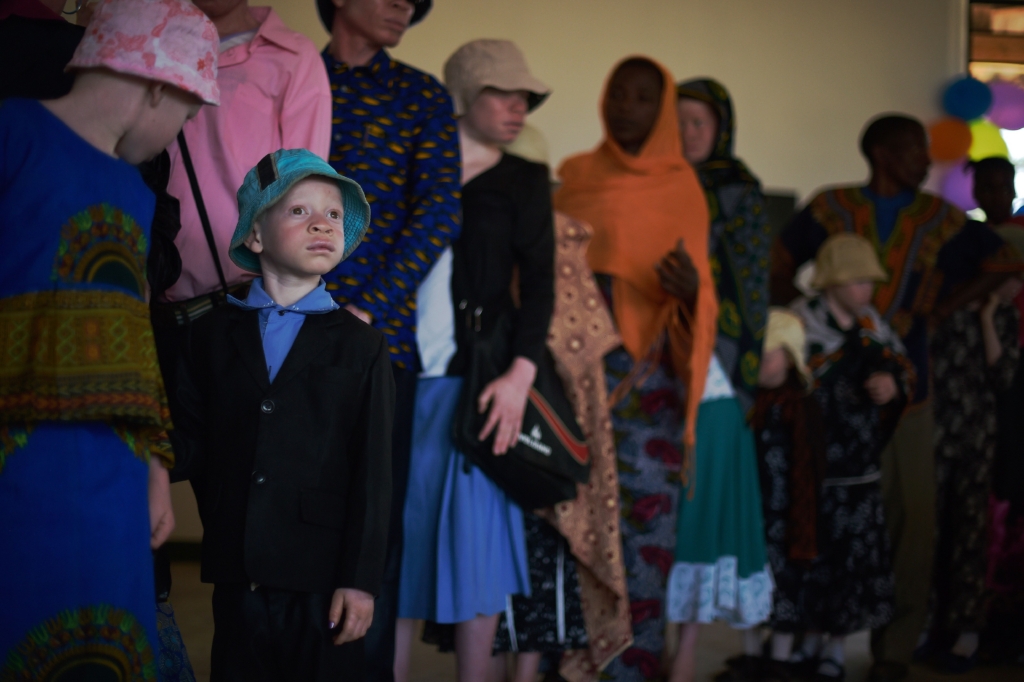
On February 5, 2025, the African Court on Human and Peoples’ Rights delivered a landmark judgment in the case of Centre for Human Rights and Others v. Tanzania (Application 019/2018), officially ruling that the Tanzanian government failed to adequately protect persons with albinism from violence and systemic discrimination. The Court’s decision marks a significant legal turning point, establishing that the state’s inaction regarding the targeted attacks, mutilations, and killings of individuals with albinism constituted a violation of multiple articles of the African Charter on Human and Peoples’ Rights, including the rights to life, dignity, and health.
For years, individuals with albinism in Tanzania have lived under the threat of targeted violence, often driven by harmful myths and superstitions regarding the condition. The African Court found that the state failed to implement necessary protective measures, prosecute perpetrators effectively, or launch comprehensive awareness campaigns to dismantle the stigma surrounding albinism. This ruling is the first instance in which the African Court has specifically addressed the rights and safety of persons with albinism, providing a potential framework for other African nations to address similar human rights crises within their own borders.
The African Court’s Findings on Health and Safety
The Court’s investigation highlighted that the challenges faced by persons with albinism extend far beyond physical violence. The Court determined that the Tanzanian government failed to provide these essential health resources, further marginalizing a population already vulnerable to social exclusion and psychological trauma.
According to the official judgment released by the African Court, the lack of state support created a discriminatory environment that actively impeded access to medical care. The Court emphasized that the psychological toll of living in constant fear and seclusion constitutes a violation of the right to dignity and freedom from torture as protected under the African Charter. By failing to address these basic health needs, the state effectively exacerbated the vulnerability of the community.
Systemic Failures in the Protection of Children
A central focus of the 2018 complaint brought by the Centre for Human Rights (CHR), the Institute for Human Rights and Development in Africa (IHRDA), and the Legal and Human Rights Centre (LHRC) was the safety of children. While Tanzania had previously established residential shelters intended to protect children with albinism from trafficking and violence, the Court found these measures were fundamentally flawed.
The judges ruled that the long-term separation of children from their families and the poor living conditions within these state-run shelters were detrimental to the children’s well-being. Furthermore, the ruling noted that the education system failed to provide basic accommodations—such as large-print materials, corrective glasses, or extra time during examinations—which are necessary for children with visual impairments associated with albinism. The Court concluded that these failures violated both the African Charter and the African Charter on the Rights and Welfare of the Child, ordering the state to prioritize family reunification and inclusive educational environments.
Remedies and Court-Ordered Mandates
To address the systemic violations, the African Court issued a series of binding directives that the Tanzanian government must implement within a two-year timeframe. These requirements include the establishment of a compensation fund to provide financial support to victims of attacks and their families, as well as the amendment of national laws to ensure that violent crimes targeting persons with albinism are classified as aggravated offenses, carrying stricter penalties.
The Court also mandated the following actions to be completed within the two-year period:
- The development and implementation of a comprehensive national awareness plan to combat myths and stereotypes surrounding albinism.
- Reform of the current shelter system to ensure children can be safely reunited with their families while maintaining their protection.
- Specific policy changes to ensure that schools accommodate the visual and health-related needs of students with albinism.
These directives represent a major shift in how regional judicial bodies are addressing the intersection of superstition-based violence and state responsibility. By setting these specific requirements, the Court has provided a clear roadmap for how member states can align their domestic policies with the human rights obligations outlined in the African Charter.
A Precedent for the Continent
The impact of this ruling is expected to reach beyond Tanzania. As the first regional judgment of its kind, the case serves as a legal benchmark for advocates working to protect the rights of persons with albinism across Africa.
For those affected, the judgment offers a formal recognition of their suffering and a legal pathway toward justice, safety, and social integration.