
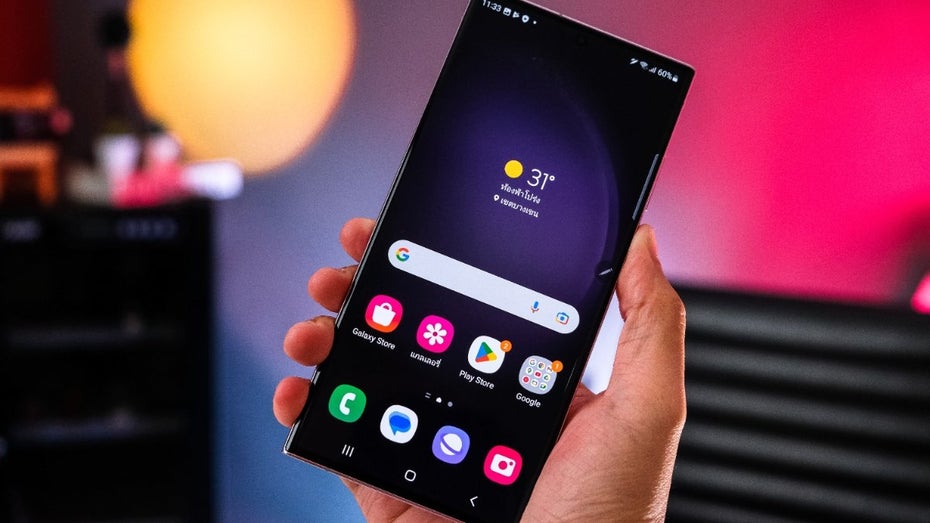
Samsung Galaxy users seeking to monitor their real-time data consumption can now access a native internet speed indicator through specific One UI software configurations, providing a streamlined alternative to third-party network monitoring applications. This functionality, long requested by power users, allows for the display of upload and download speeds directly in the status bar, offering immediate visibility into network performance during high-bandwidth activities like streaming or large file transfers.
While Samsung’s native interface historically required external tools or Good Lock modules to display granular network statistics, current iterations of One UI—specifically those aligned with recent development cycles—have refined how system information is surfaced. According to Samsung’s official documentation on the Good Lock ecosystem, users can leverage the “QuickStar” module to customize the status bar, including the visibility of specific network indicators. This approach ensures that users maintain granular control over their system UI without requiring root access or unauthorized third-party software that may compromise device security.
Customizing Your Galaxy Status Bar for Network Monitoring
To enable network speed indicators, users must typically utilize the Good Lock suite, which serves as the official platform for advanced UI customization on Galaxy devices. The process involves downloading the application from the Samsung Galaxy Store, navigating to the “Life up” tab, and installing the “QuickStar” plugin. Once installed, users can toggle the “Show network information” setting under the “Visibility of Indicator Icons” menu. This configuration is supported across a broad range of devices running modern One UI versions, as detailed in Samsung’s support resources regarding UI customization features.
It is important to distinguish between native system settings and the enhanced capabilities provided by the Good Lock framework. While standard settings menus provide basic connectivity information, the deep-level customization of the status bar—such as hiding specific icons or adding real-time bitrates—is managed through these modular plugins. This architecture allows Samsung to maintain a clean default interface for general users while providing advanced telemetry for enthusiasts.
Software Lifecycle and Update Expectations
The availability of these features is closely tied to the broader One UI update schedule. Samsung has recently accelerated its software support, with the company confirming extended update cycles for its flagship devices. As reported by Samsung’s official software update policy, newer models are now eligible for up to seven years of security and OS updates. This commitment ensures that tools like the network speed indicator remain functional and secure throughout the device’s operational lifespan.
For users concerned about the longevity of their hardware, the transition between One UI versions often introduces changes to how these system modules interact with the underlying Android architecture. Monitoring official channels, such as the Samsung Members app or the official newsroom, remains the most reliable way to track when specific features are moved from modular plugins into the core system settings or if they face deprecation in future iterations.
Security Considerations and App Management
Beyond UI customization, Samsung continues to emphasize device security within the One UI environment. Recent updates have focused on the automated restriction of applications that do not meet strict security criteria. According to official press releases from Samsung regarding mobile security, the integration of “Auto Blocker” features serves to mitigate risks from unauthorized software, including those that might claim to provide system-level monitoring but instead harvest user data.
Users who prefer to use third-party network monitoring tools are advised to verify the permissions requested by such applications. A legitimate network speed monitor should only require access to network state information. If an application requests broad permissions—such as access to contacts, camera, or location—it may indicate a security risk. Always prioritize tools available via the Google Play Store or the Samsung Galaxy Store, which utilize Google Play Protect to scan for malicious behavior.
Frequently Asked Questions
Does every Samsung Galaxy device support the network speed indicator?
Most devices running recent versions of One UI (typically 5.0 and later) support these features via the QuickStar module in Good Lock. Compatibility depends on the specific device model and regional software restrictions, as noted in the Good Lock store entry.
Will using a network speed indicator drain my battery?
The impact on battery life is minimal. However, because the indicator must poll the network interface constantly to update the display, it may contribute to a slight increase in power consumption during intensive use. This is standard for any real-time monitoring tool.
Where can I find the latest official information on One UI updates?
The most accurate information regarding upcoming software features and rollout schedules is available directly through the Samsung Support News portal. Avoid relying on third-party rumors regarding release dates for beta versions, as these are subject to change based on internal testing results.
As Samsung moves toward its next major One UI iteration, users can expect further refinements to how system telemetry is presented. The focus remains on balancing user-requested customization with the stringent security protocols necessary for modern mobile computing. For further discussion or to share your experience with these settings, please join the conversation in our comments section below.