
In the evolving landscape of oncology, the treatment of bladder cancer is undergoing a significant shift. For patients facing muscle-invasive bladder cancer, the integration of targeted therapies and immunotherapy has become a primary focus for clinical research. Recent developments, particularly concerning the use of enfortumab vedotin in combination with pembrolizumab, are providing new insights into perioperative strategies for managing this challenging disease.
As a physician and health journalist, I often emphasize that understanding the mechanism of these treatments is as vital as acknowledging their clinical results. Enfortumab vedotin is a targeted antibody-drug conjugate designed to seek out Nectin-4, a protein frequently expressed on the surface of bladder cancer cells. By pairing this targeted approach with pembrolizumab—an immunotherapy that helps the immune system recognize and attack cancer—researchers are exploring how to improve outcomes for patients who undergo surgery for bladder cancer. According to the U.S. Food and Drug Administration (FDA), the combination of these two agents has already established a footprint in the treatment of locally advanced or metastatic urothelial carcinoma.
Understanding the Perioperative Approach
The term “perioperative” refers to the period surrounding a surgical procedure, encompassing the time before, during, and after the operation. In the context of bladder cancer, the goal of perioperative systemic therapy is to reduce the size of the tumor before surgery (neoadjuvant) or to eliminate residual microscopic disease after surgery (adjuvant) to prevent recurrence. The investigation into whether enfortumab vedotin and pembrolizumab can effectively serve these roles in muscle-invasive bladder cancer represents a major area of active clinical inquiry.
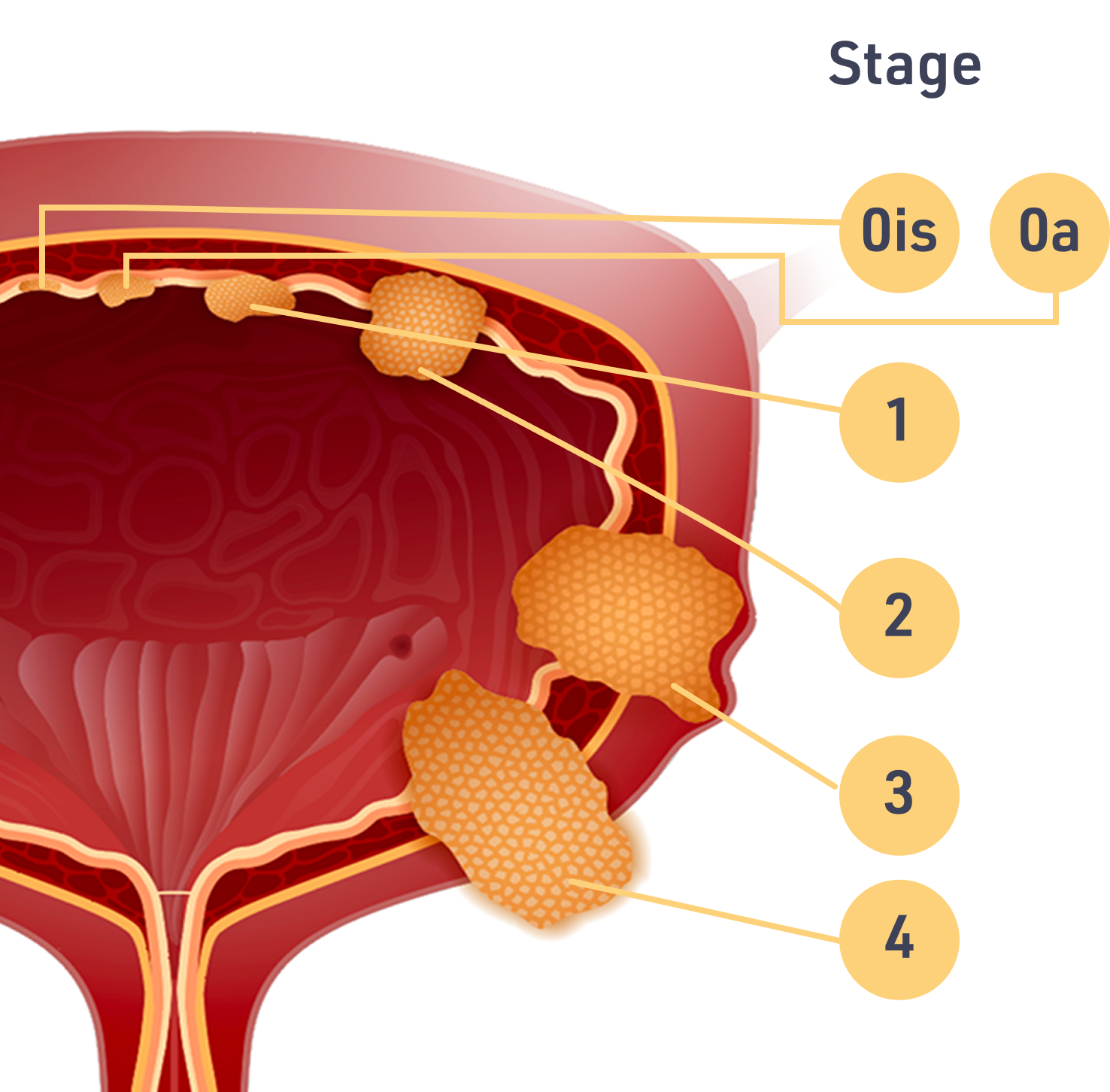
The clinical study of this combination, often discussed within the framework of Phase III trials such as the Keynote series, aims to determine if this dual-therapy approach can lead to higher rates of pathologic complete response or improved event-free survival. These metrics are critical, as they provide clinicians with tangible data regarding how well a treatment regimen is working before and after the physical removal of the bladder or the tumor itself. Patients and caregivers are encouraged to consult the National Institutes of Health (NIH) ClinicalTrials.gov database to review the status and specific objectives of ongoing trials involving these agents.
The Mechanism of Action: A Dual Attack
To grasp why this combination is a subject of such intense study, one must look at the biology. Enfortumab vedotin operates as an antibody-drug conjugate. The “enfortumab” component is a monoclonal antibody that binds to Nectin-4, while the “vedotin” component is a potent microtubule inhibitor. Once the antibody binds to the cancer cell, the cell internalizes the drug, releasing the toxic payload and effectively halting the cell’s ability to divide. This is detailed in official FDA prescribing information for the medication.

Pembrolizumab, conversely, acts as a checkpoint inhibitor. It blocks the PD-1 pathway, which tumors often exploit to “hide” from the immune system. By blocking this “off switch,” the drug allows T-cells to identify and destroy malignant cells. The combination of these two approaches is designed to be synergistic: enfortumab vedotin may cause immunogenic cell death, potentially making the tumor more visible to the immune system, which pembrolizumab then helps to activate. This biological rationale is the foundation for current efforts to shift these treatments into the perioperative setting.
Navigating Treatment Decisions and Side Effects
While the prospect of more effective perioperative care is promising, it is essential for patients to remain informed about potential side effects. As noted in clinical documentation, patients receiving enfortumab vedotin may experience peripheral neuropathy, skin reactions, and fatigue. Because this treatment is often administered in combination with pembrolizumab, the safety profile requires careful monitoring by an oncology team.
Patients should always discuss the specific risks and benefits of any treatment plan with their urologist or oncologist. Resources such as the National Cancer Institute (NCI) provide comprehensive guides on navigating a bladder cancer diagnosis and understanding the implications of clinical trial participation. It is through these discussions that patients can determine if a trial is the right path for their specific medical history and tumor characteristics.
Looking Ahead: The Future of Bladder Cancer Care
The oncology community remains focused on the long-term data emerging from these Phase III trials. As we await further analysis on survival outcomes, the emphasis remains on standardizing care and ensuring that patients have access to the latest, evidence-based therapies. The transition of these potent medications from the metastatic setting into earlier stages of the disease represents a potential leap forward in how we treat muscle-invasive bladder cancer.

For those interested in following the latest developments, regulatory agencies like the European Medicines Agency (EMA) and the FDA regularly publish updates on drug approvals and new clinical indications. Staying engaged with these official channels ensures that you are receiving the most accurate information regarding the evolving role of enfortumab vedotin and pembrolizumab.
If you have questions about current treatment options or would like to share your perspective on the role of clinical trials in modern medicine, please feel free to leave a comment below. Your experiences contribute to a more informed community. For regular updates on medical innovation and public health news, ensure you are subscribed to our newsletter here at World Today Journal.
Worth a look