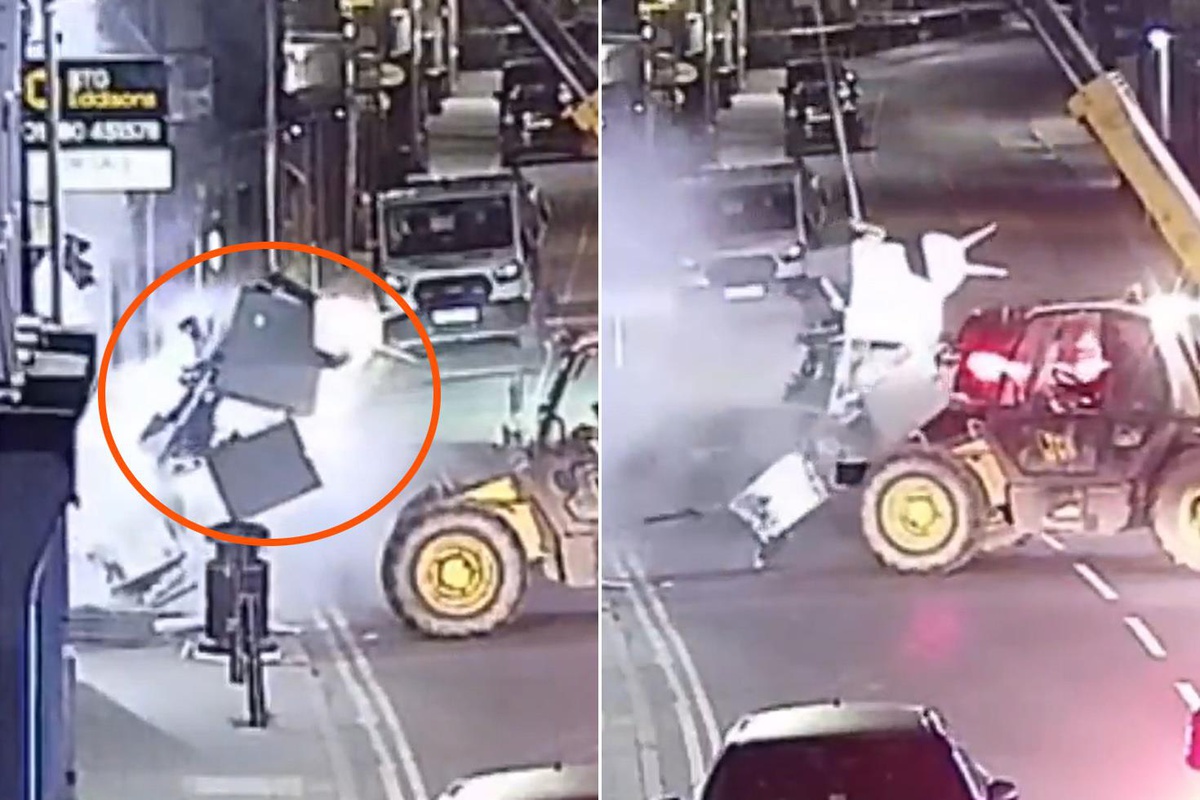
Masked criminals in the United Kingdom utilized heavy construction machinery, specifically a stolen excavator, to tear an automated teller machine (ATM) from a building’s exterior wall, an incident that highlights a growing trend of high-impact robberies targeting financial infrastructure. Law enforcement officials have noted that these “ram-raid” style thefts use brute force to bypass traditional security measures, often causing significant structural damage to commercial properties.
How heavy machinery is being used in UK ATM thefts
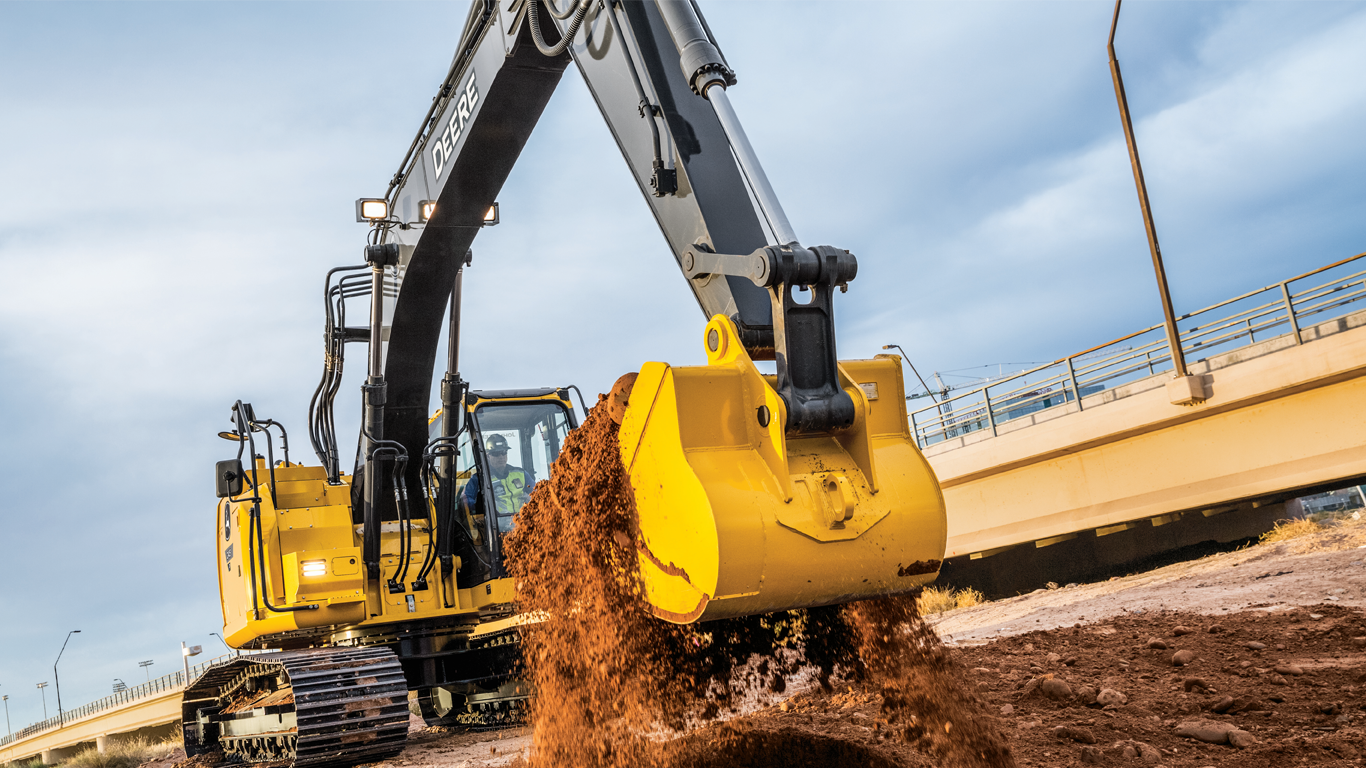
The method used in this recent incident involves criminals hijacking heavy plant machinery—such as excavators or JCB-style diggers—to physically uproot ATMs from the facades of banks or retail outlets. Unlike traditional ATM heists that rely on explosives or sophisticated drilling, this tactic uses the mechanical leverage of the machine’s arm to pull the entire unit out of the masonry.

According to crime analysts and police reports regarding similar incidents in the UK, this approach offers several advantages to criminal gangs:
- Speed: The physical removal of a machine can be completed in minutes, reducing the window for police intervention.
- Bypassing Alarms: Many ATMs are equipped with sensors designed to detect heat, vibration, or chemical changes from explosives; however, the slow, steady pressure of heavy machinery can sometimes circumvent these specific triggers.
- Structural Destruction: The sheer force used often destroys the wall itself, making it difficult for forensic teams to quickly secure the area or for banks to assess the remaining security integrity.
CCTV footage from recent high-profile thefts across various UK counties has shown masked individuals operating the machinery, often working in teams to ensure the heavy equipment is positioned correctly to maximize leverage against the bank’s structure.
The evolution of ATM robbery tactics in the United Kingdom
For decades, ATM theft in the UK primarily involved “gas attacks,” where criminals pumped flammable gas into the machine to trigger an explosion, or “drilling attacks” aimed at the safe. However, security advancements in the last decade have made these methods more difficult and riskier for perpetrators.

The shift toward using heavy machinery represents a move toward “kinetic” crime—using physical mass and momentum to achieve an objective. This transition mirrors trends seen in high-end retail “ram-raids,” where vehicles are used to crash through storefronts. This evolution has forced a rethink in how financial institutions secure their physical assets.
Security experts suggest that the use of excavators is a direct response to the increased robustness of ATM safes. When a safe becomes too difficult to crack through traditional means, criminals opt to remove the entire housing, including the safe and the machine, to attempt a breach in a more controlled, private environment.
Comparing theft methods: Explosives vs. Heavy Machinery
The following table illustrates the primary differences between the traditional and emerging methods of ATM theft reported by UK law enforcement:
| Feature | Explosive/Gas Attacks | Heavy Machinery (Excavators) |
|---|---|---|
| Primary Tool | Gas canisters, detonators | Excavators, diggers, loaders |
| Primary Risk | High risk of accidental detonation | Risk of machine malfunction or detection |
| Detection Profile | Acoustic and chemical sensors | Visual/CCTV and vibration sensors |
| Structural Impact | Localized blast damage | Widespread structural/wall failure |
Impact on local businesses and financial institutions
The consequences of these thefts extend beyond the immediate loss of cash. The structural damage caused by an excavator can compromise the integrity of an entire building, leading to long-term closures for the affected business. In many cases, the damage to the building’s facade requires extensive engineering assessments before repairs can even begin.
For banks and financial service providers, the costs include:
- Direct Financial Loss: The stolen cash contained within the ATM.
- Asset Replacement: The cost of a new ATM unit and the specialized installation required.
- Infrastructure Repair: Rebuilding reinforced walls and repairing masonry.
- Security Upgrades: The necessity of implementing more aggressive physical deterrents.
Local business owners in areas targeted by these gangs have expressed concerns regarding the safety of high streets and the potential for collateral damage to neighboring properties during these high-velocity attacks.
How banks are responding to heavy machinery heists
In response to the rise in kinetic thefts, UK banks and security firms are implementing new physical defense layers. These measures are designed to prevent heavy machinery from getting close enough to a building to exert meaningful leverage.
Commonly deployed defenses include:
Reinforced Bollards: Installing heavy-duty, crash-rated bollards in front of ATM locations to prevent vehicles or small machinery from approaching the wall.
Structural Reinforcement: Building ATMs into deeper, more reinforced concrete alcoves that are harder to “pull” out of the structure using an excavator arm.
Relocation Strategies: Moving ATMs from vulnerable exterior walls to more secure, indoor locations within retail spaces or bank branches, which significantly increases the difficulty of a physical removal.
Advanced Surveillance: Utilizing AI-driven CCTV that can recognize the movement patterns of heavy machinery or unauthorized vehicles in high-risk areas, triggering immediate police alerts.
The National Crime Agency (NCA) and local police forces continue to monitor these trends to provide updated guidance to commercial property owners and financial institutions regarding the hardening of physical targets.
Law enforcement agencies are currently conducting forensic examinations of the crime scene and reviewing CCTV footage to identify the specific make and model of the machinery used. Further updates are expected as the investigation into the masked gang progresses.
What are your thoughts on the increasing use of heavy machinery in urban crime? Share your views in the comments below and share this article to keep your community informed.
Keep reading