Recent medical documentation details how two male patients diagnosed with Enterococcus faecalis infective endocarditis were subsequently found to have occult rectal adenocarcinoma after targeted gastrointestinal evaluations. These clinical cases highlight why physicians should consider underlying colorectal neoplasia when patients present with enterococcal bloodstream infections lacking a clear portal of entry.
When Cureus published its clinical documentation regarding enterococcal bacteremia, it shed light on an insidious clinical puzzle. Enterococcus faecalis is a well-known Gram-positive commensal organism that normally inhabits the human gastrointestinal tract. While it frequently functions as an opportunistic pathogen causing persistent bacteremia and infective endocarditis, the exact portal of entry often remains obscure to treating clinicians.
Data from international cohorts show that pmc.ncbi.nlm.nih.gov indices list enterococcal endocarditis as the third leading cause of infective endocarditis overall, responsible for 5% to 15% of all cases. Although genitourinary sources or recent medical procedures account for some infections, a substantial majority of cases leave the primary entry point unidentified. Clinicians increasingly recognize that compromised mucosal barriers in the gut may allow these commensal bacteria to translocate directly into the bloodstream, sometimes pointing toward underlying malignancies.
Clinical Profiles and Diagnostic Pathways in the Two Documented Cases
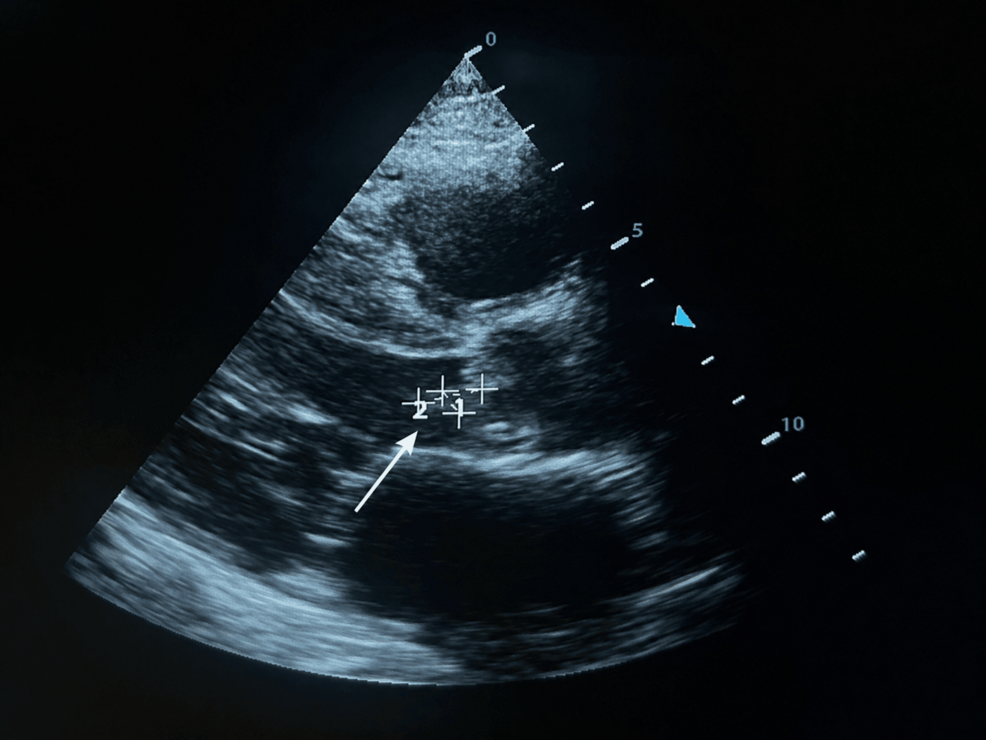
The first clinical profile detailed in the medical literature involves a 69-year-old man who experienced three months of chronic, unexplored diarrhea before developing a fever and an acute ischemic stroke. Medical evaluation revealed a temperature of 39 °C, an aortic systolic murmur, splenomegaly, Osler nodes, and subungual hemorrhages alongside a C-reactive protein concentration of 359 mg/L. Transthoracic echocardiography identified a mobile mitral-valve vegetation measuring 12.5 by 5.6 millimeters. Subsequent pelvic magnetic resonance imaging and a colonoscopy uncovered a stenosing mid-rectal tumor, with biopsies confirming invasive rectal adenocarcinoma staged as cT4aN2b.
The second documented patient was a 55-year-old man with a history of non-ischemic cardiomyopathy, an automated implantable cardioverter defibrillator, and atrial fibrillation who presented with fatigue, back pain, low-grade fever, a productive cough, and an unintentional 30-pound weight loss over two months. His medical workup revealed normocytic anemia, a positive hepatitis C antibody test, and blood cultures positive for Enterococcus faecalis. Trans-esophageal echocardiography confirmed an aortic valve vegetation, while further imaging diagnosed osteomyelitis across the T7-T8 and L4-L5 vertebrae. Because of the unexplained weight loss and anemia, physicians pursued malignancy screenings that led to a colonoscopy revealing a large pedunculated polyp in the sigmoid colon. Pathology confirmed an invasive well-differentiated mucinous adenocarcinoma with focal squamous differentiation.
Contrasting Bacterial Associations and Screening Recommendations
Medical literature long ago established a definitive link between Streptococcus gallolyticus—formerly known as Streptococcus bovis—bacteremia and colorectal cancer, with roughly 60% of those patients harboring underlying tumors and prompting formal guidelines from American and European societies to perform systematic colonoscopies. In contrast, the association between Enterococcus faecalis and colorectal carcinoma is a newer association gaining ground among infectious disease specialists and gastroenterologists.
While large nationwide studies investigating first-time Enterococcus faecalis bloodstream infections show that the relative risk of colorectal neoplasia is elevated compared to matched controls, the absolute risk alone has historically been considered insufficient to justify universal population-wide screening for every infected patient. Instead, clinical consensus supports a targeted approach.
| Bacterial Pathogen | Established Association Rate | Screening Protocol Status |
|---|---|---|
| Streptococcus gallolyticus (S. bovis) | Approximately 60% prevalence of colorectal cancer | Systematic colonoscopy recommended by US and European guidelines |
| Enterococcus faecalis | Variable association; unquantified absolute risk in broad cohorts | Targeted colonoscopy recommended when gastrointestinal symptoms or unexplained sources occur |
Antimicrobial Regimens and Surgical Outcomes
Treating severe enterococcal endocarditis complicated by systemic seeding requires coordinated multidisciplinary care involving cardiology, infectious diseases, gastroenterology, radiology, pathology, and colorectal surgery. Both patients described in the literature required intensive antimicrobial intervention and surgical management.
In the first case, the patient received a six-week course of intravenous vancomycin combined with gentamicin, as Cureus noted that both bacterial isolates were susceptible to these agents. His C-reactive protein levels dropped from 359 to 60 mg/L, temporary renal dysfunction resolved, follow-up blood cultures cleared, and he achieved partial neurological recovery from his stroke alongside marked echocardiographic improvement.
In the second case, the patient initially received oral ciprofloxacin for pneumonia before doctors identified the endocarditis and vertebral osteomyelitis. Due to the high risk of persistent bacterial seeding, medical teams removed his defibrillator device and administered targeted antibiotic therapy. Subsequently, a colorectal surgery team performed a left hemicolectomy. Pathological analysis of the resected specimen demonstrated minimal residual adenocarcinoma, negative margins, and no metastasis across 18 retrieved lymph nodes, resulting in a tumor classification of T1N0M0.
These converging clinical outcomes demonstrate that when clinicians encounter Enterococcus faecalis endocarditis accompanied by gastrointestinal symptoms or an otherwise unexplained portal of entry, pursuing a targeted colorectal evaluation can uncover hidden malignancies at a stage where surgical intervention remains viable.
Worth a look