San Diego Coastkeeper and the Coastal Environmental Rights Foundation reached a legal settlement under the Clean Water Act with the United States International Boundary and Water Commission and its contractor, Veolia Water West Operating Services, according to public announcements from the environmental groups. Filed in April 2024, the original litigation addressed severe pollution issues at the South Bay International Wastewater Treatment Plant, resolving claims of chronic ecological damage across the Tijuana River valley and the Pacific Ocean.
The resolution brings a formal conclusion to a year-long lawsuit centered on the handling of cross-border wastewater flows that have long plagued the San Diego and Tijuana border region. According to statements from the participating organizations, the original complaint alleged more than 500 self-documented violations involving inadequate wastewater treatment prior to ocean discharge, dozens of canyon collector spills sending millions of gallons of untreated sewage into the estuary, inaccurate self-monitoring reports, and five years of non-compliance regarding a river valley monitoring program.
Federal funding and operational adjustments have altered conditions at the facility since the litigation commenced. As reported by San Diego Coastkeeper and the Coastal Environmental Rights Foundation, the USIBWC received nearly $800 million in federal appropriations to execute a comprehensive overhaul of the plant. The agency expanded treatment capacity by 40%, cut untreated flows entering the United States by 10 million gallons per day, and met ocean effluent discharge limits for over 18 months.
Terms of the Clean Water Act Settlement and Transparency Mandates
Under the terms of the agreement finalized on August 5, the USIBWC and Veolia agreed to elevate public transparency regarding pending Act 328 infrastructure projects. The settlement also mandates improved communication protocols concerning major repairs or unexpectedly high sewage surges capable of straining the plant and its canyon collector networks, according to statements released by the environmental groups.
“El impacto positivo de nuestra acción coercitiva ha sido innegable,” stated Phillip Musegaas, executive director of Coastkeeper, noting that cross-border sewage flows averaged nearly 40 million gallons daily during the summer of 2024 when the facility “estaba al borde del colapso total”. Sara Ochoa, program director for the CERF, added that while this marks only one aspect of a wider crisis, ensuring proper plant operation represents a critical milestone not seen since 2020.
Corporate representatives confirmed that Veolia bears no monetary penalty and admitted no legal liability under the settlement terms. In an official statement, Veolia acknowledged the cooperative progress achieved on both sides of the border toward a comprehensive solution for the regional wastewater crisis, noting that facility capacity has already risen by 40% under IBWC leadership to eventually handle up to 50 million of gallons of Tijuana sewage daily.
Broader Legal Actions and Cross-Border Environmental Petitions
The Clean Water Act settlement is one of multiple legal challenges directed at the federal agency and its contractor amid years of infrastructure strain. In September 2024, Imperial Beach homeowners filed a class-action lawsuit against Veolia seeking more than $300 million in damages for alleged property devaluation stemming from operational negligence. Subsequently, in March 2025, the Coronado Unified School District filed legal action against Veolia and former plant manager Mark Wippler over alleged exposure of students and staff to toxic gases.
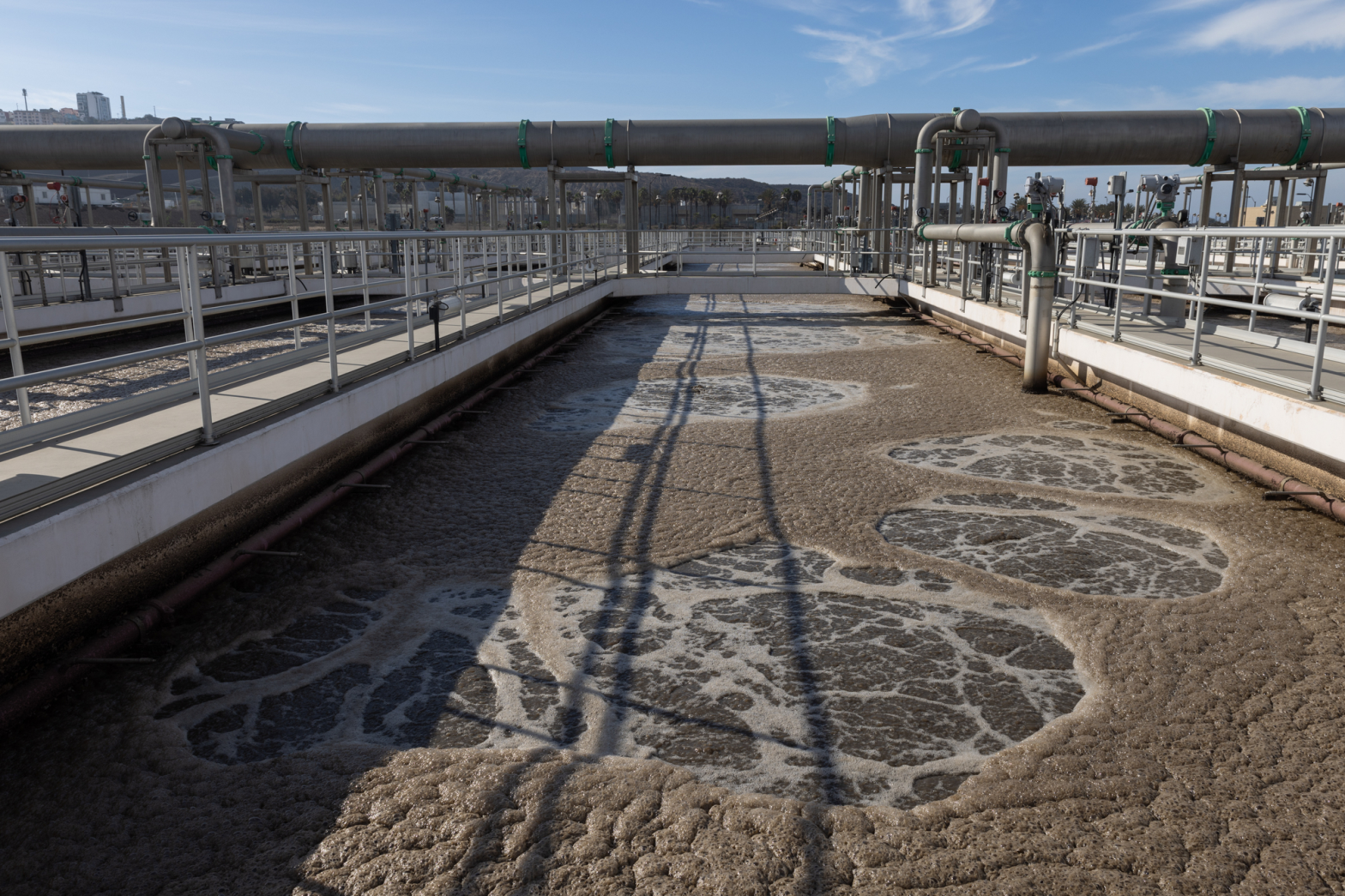
Operational oversight of the facility has also faced contractual adjustments. The USIBWC awarded Veolia a 12-month sole-source bridge contract valued at $27.29 million in March to maintain operations after canceling a previous bidding process due to technical deficiencies and undisclosed conflicts of interest.
Environmental advocates intend to maintain oversight of the region. Coastkeeper announced plans to continue monitoring through its Tijuana River Valley sampling program, the One Coastal Community binational alliance, and the Tijuana River Coalition. Additionally, advocacy groups filed a petition with the Commission for Environmental Cooperation under the United States-Mexico-Canada Agreement, asserting that Mexico failed to enforce domestic environmental laws regarding wastewater management, setting an August 28 deadline for a response from the Mexican federal government.
Share your thoughts on this cross-border environmental agreement in the comments below.
Keep reading