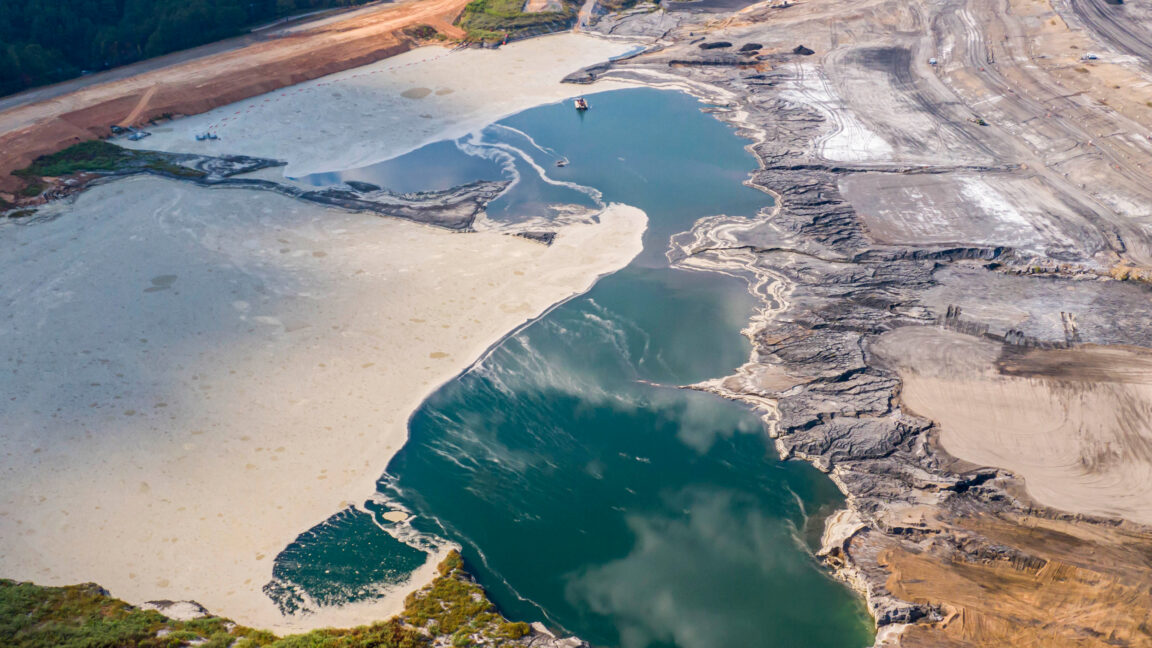
Environmental advocates and local community members are intensifying their opposition to proposed regulatory changes regarding the management of coal combustion residuals (CCR), commonly known as coal ash. During a recent public hearing, participants voiced significant concerns regarding the Environmental Protection Agency’s (EPA) potential shift in how it oversees the cleanup of toxic residue at coal-fired power plants across the United States. The debate centers on whether the federal government should maintain strict, uniform oversight or delegate greater enforcement authority to individual states, a move critics warn could jeopardize groundwater safety and public health.
The controversy follows an announcement by the EPA regarding the potential rollback of specific oversight rules. Coal ash, the byproduct remaining after coal is burned to generate electricity, often contains heavy metals such as arsenic, mercury, lead, and selenium. These substances are known to pose risks of cancer and neurological damage if they leach into drinking water supplies. With thousands of residents living in proximity to coal ash disposal sites, the proposed changes have become a focal point for environmental policy debates as community members demand robust federal protections.
The EPA’s mission, as defined by its regulatory mandate, is to protect human health and the environment through the development and enforcement of rigorous standards. However, the current proposed regulatory shift has prompted a wave of testimony from those who fear that weakening existing requirements will leave vulnerable populations at increased risk. The agency’s official portal provides further resources on its ongoing mission to manage environmental safety and drinking water standards.
Understanding the Coal Ash Debate
Coal ash is a byproduct of coal-fired electricity generation, and its management has been a subject of intense federal scrutiny for years. The current regulatory framework, the Coal Combustion Residuals (CCR) rule, was designed to mitigate the risks associated with the storage of this waste. The proposed changes under discussion involve altering requirements for utilities, particularly regarding the monitoring of inactive coal plants and the protection of groundwater near these disposal sites. Critics of the proposed changes argue that a transition toward state-led monitoring may lead to inconsistent enforcement, potentially allowing utilities to bypass national safety standards.
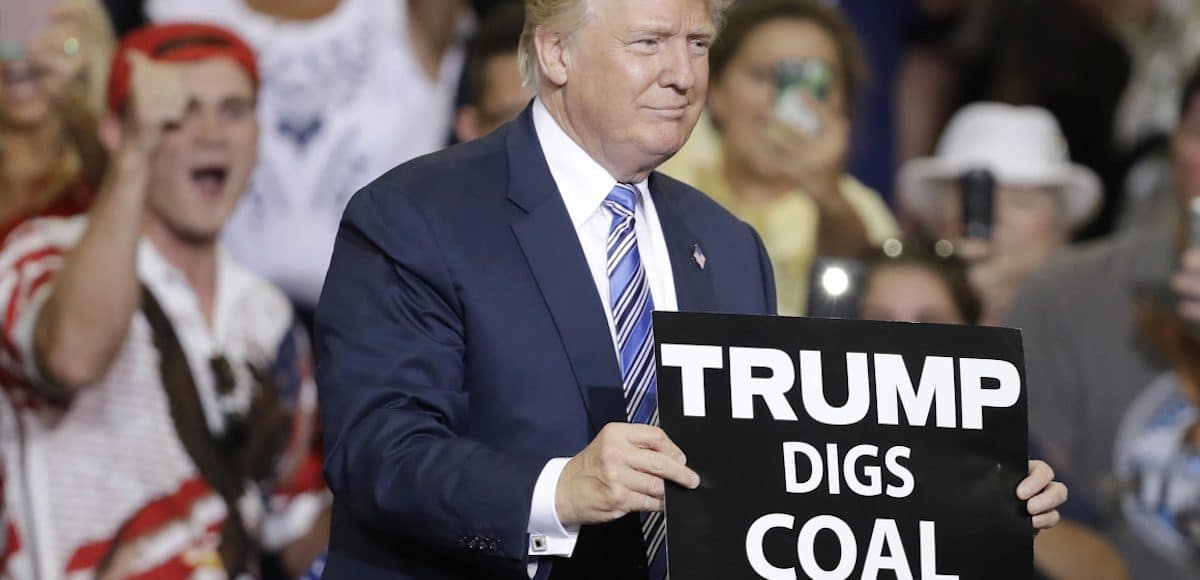
For many residents, the issue is not merely theoretical. In areas such as Jacksonville, Florida, where communities exist near coal ash sites associated with current and former power facilities, the potential for groundwater contamination is a primary concern. During a recent eight-hour public hearing, local residents and environmental advocates shared testimony highlighting the ongoing impacts of coal ash pollution, emphasizing that the waste remains a threat long after a power plant has ceased operations. According to public testimony records, participants urged the agency to strengthen, rather than diminish, existing safeguards to protect nearby neighborhoods.
The Impact on Public Health and Safety
The core of the environmentalist argument rests on the potential for long-term health consequences. Because coal ash contains toxic heavy metals, the integrity of containment structures and the rigor of groundwater monitoring are essential to preventing environmental exposure. Advocates argue that federal standards serve as a necessary baseline that prevents the “race to the bottom” in states where industrial interests may prioritize cost-cutting over environmental compliance.
The EPA, as a federal body, remains the primary agency tasked with enforcing these standards. As noted on the official USAGov agency profile, the EPA is responsible for conducting research and developing regulations that address significant health risks. When those regulations are subject to change, the public comment process serves as the primary mechanism for stakeholders to voice their concerns. The recent influx of testimony highlights a significant gap between the administration’s stated goals of regulatory flexibility and the demands of citizens who prioritize the remediation of contaminated sites.
What Happens Next
The public comment period is a critical phase in the federal rulemaking process. Following the conclusion of public hearings and the submission of written comments, the EPA is required to review and consider the feedback provided by stakeholders before finalizing any regulatory changes. While the administration has signaled a desire to rely more heavily on state-level enforcement, the intensity of the public response suggests that the path to deregulation may face significant legal and political hurdles.
Residents and interested parties are encouraged to keep track of official agency announcements and federal register postings to stay informed on the status of these proposed rules. The EPA’s commitment to protecting public health remains the benchmark against which these decisions are ultimately measured. As this situation continues to develop, the balance between economic efficiency in the energy sector and the non-negotiable requirement for clean water will remain a defining issue for the agency.
We welcome your thoughts on this evolving environmental policy. Please share this article with your network to help broaden the discussion on how we protect our nation’s water resources for future generations.
Worth a look
- Introducing Project Perception: Building a New Agentic Cyber Stack for the AI Era
- Philips 700 Series: The Ultimate Ultra-Compact Mini Shaver for Precision Grooming
- Trump Administration Invites AI Giants to Discuss New Cybersecurity Safety Tests (time.news)
- Saint Paul Councils Oppose OutFront Media’s Digital Sign Plan (news-usa.today)