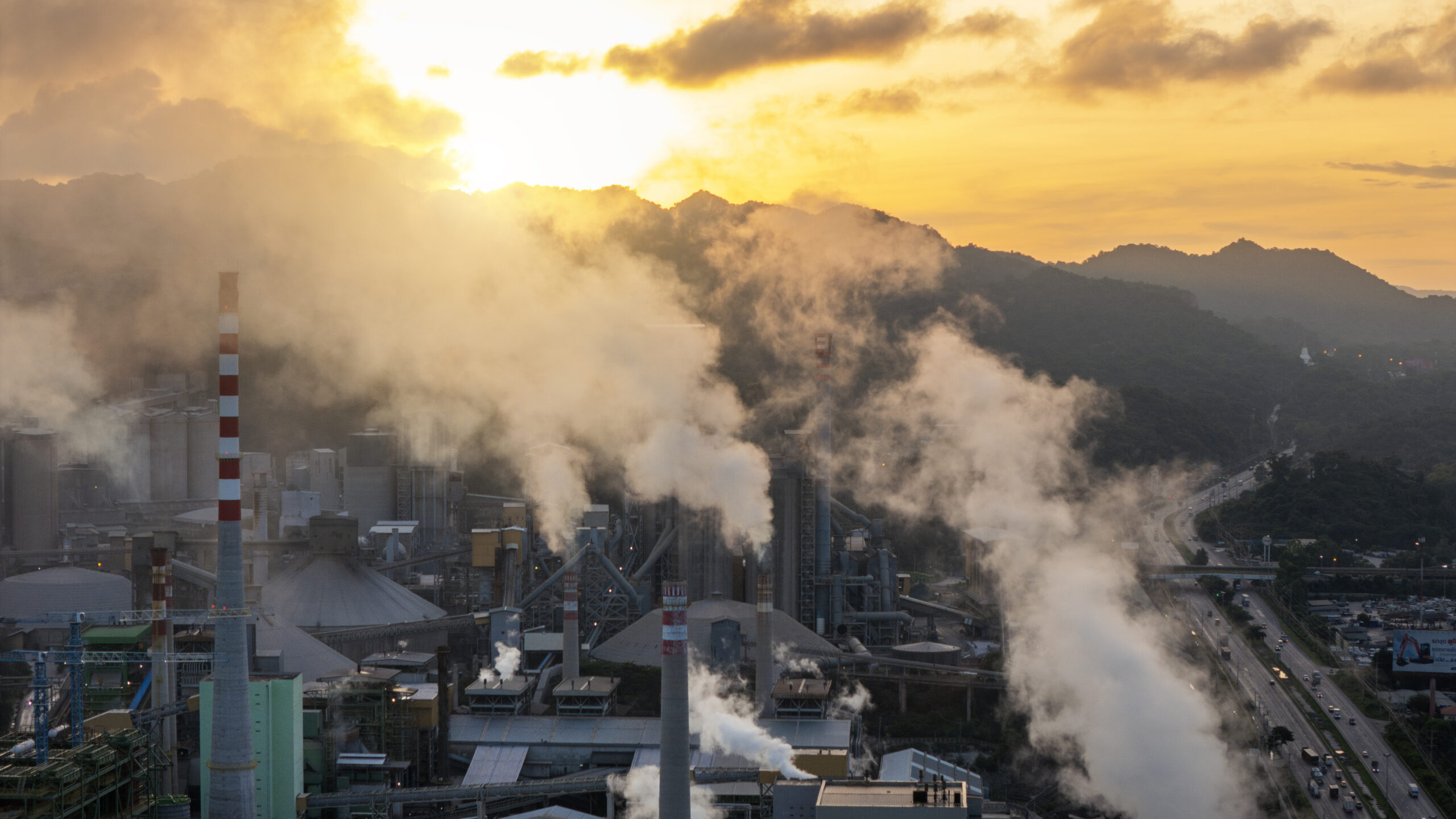
Understanding the implications of air quality regulations can feel complex, but it directly impacts your health and well-being.Recent shifts in how the Environmental Protection Agency (EPA) assesses the benefits of cleaner air are raising concerns among public health advocates. Specifically, the agency is altering its approach to quantifying the advantages of reducing PM2.5, or fine particulate matter, and ozone pollution.
The Invisible Threat: Understanding PM2.5 and Ozone
Fine particulate matter,measuring 2.5 micrometers or less in diameter, poses a meaningful health risk because of its ability to penetrate deep into your lungs and even enter the bloodstream. I’ve found that many people underestimate just how small these particles are – they’re about 1/30th the width of a human hair! This particulate matter is frequently a byproduct of combustion processes, like those from vehicles, industrial facilities, and wood-burning stoves.
Ozone, while beneficial in the upper atmosphere, acts as a pollutant at ground level. It forms when pollutants emitted by sources like vehicles and industrial facilities react in sunlight. Exposure to ozone can trigger respiratory problems, especially for individuals with asthma or other lung conditions. You might notice ozone levels reported alongside weather forecasts, notably during warmer months.
A Change in Calculating Benefits
The EPA’s recent adjustments involve how it calculates the economic benefits of reducing PM2.5 and ozone. The agency now asserts that previous analyses haven’t adequately accounted for the scientific uncertainties surrounding the economic value of these reductions. A new economic impact analysis concerning stationary combustion turbines, released in January 2026, suggests that past assessments may have overstated the benefits, leading the public to believe the agency has a firmer grasp on the economic impact than is actually the case.
Consequently, the EPA is pausing the monetization of benefits related to PM2.5 and ozone reductions. While the agency will continue to measure emissions levels, it won’t assign a dollar value to the health improvements resulting from lower pollution. This shift is a departure from previous practices, where benefits were estimated at $27-$92 million annually for tightening emissions limits, as indicated in a 2024 regulatory impact analysis for combustion turbines.
| Pollutant | Health Impacts | Source |
|---|---|---|
| PM2.5 | Respiratory issues, cardiovascular disease, premature mortality | Combustion processes (vehicles, industry, wood burning) |
| Ozone | Respiratory irritation, asthma exacerbation, reduced lung function | Reactions between nitrogen oxides and volatile organic compounds |
A History of Political Influence
This isn’t the first instance of political considerations influencing the EPA’s valuation of pollution reduction benefits. Between 2004 and 2008, the bush governance lowered the EPA’s estimate of the “value of a statistical life” by approximately 11 percent. However, the current approach, under the Trump administration, appears to be a more assertive use of scientific uncertainty to justify deregulation. Essentially, by acknowledging a wide range of potential benefits – from significant to extremely substantial – the EPA is defaulting to a value of zero, focusing solely on the costs of regulation.
Did You Know? The American Lung Association estimates that nearly half of Americans live in counties with unhealthy levels of ozone or particle pollution.
It’s important to note that the EPA’s previous methodologies and supporting research, including assessments of scientific uncertainties, remain publicly available on its website. This transparency allows for self-reliant scrutiny and evaluation of the agency’s decisions.
What Does This Mean for You?
The EPA’s decision to stop monetizing the benefits of reducing PM2.5 and ozone could have far-reaching consequences. Without a clear economic value assigned to cleaner air, it becomes more challenging to justify stricter pollution controls. this could lead to loosened regulations and potentially higher levels of air pollution,
Worth a look