The Future of Windows: Balancing AI Assistance with User Control
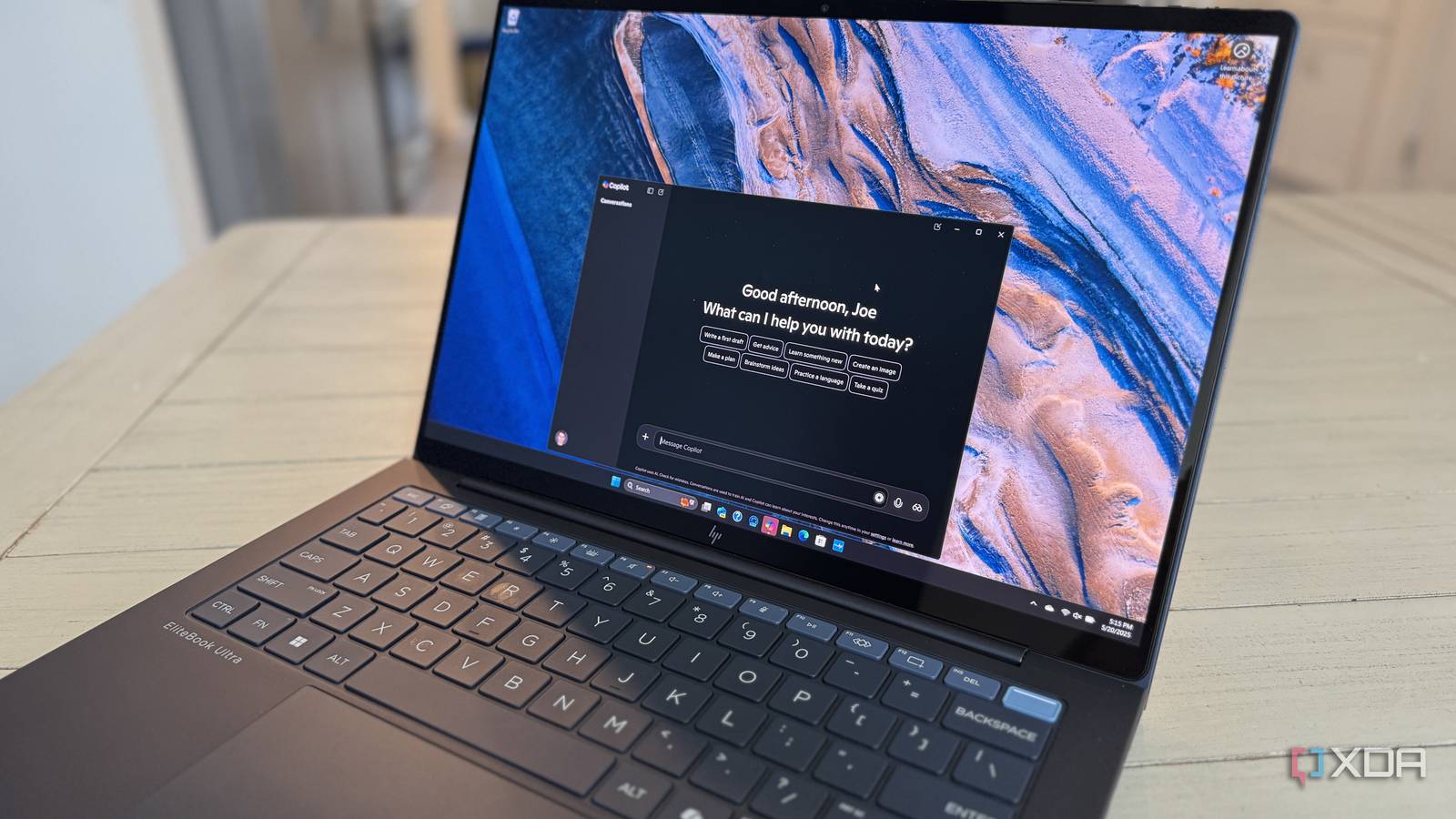
Microsoft is actively shaping the future of Windows,leaning heavily into what they call an “agentic” experience. This essentially means a windows powered by AI, anticipating your needs and automating tasks. Imagine Copilot proactively fetching your news, launching relevant applications, and even suggesting daily tasks based on your schedule.
However, this shift isn’t universally welcomed. While some embrace the convenience, others prefer direct control over their PC. A prominent voice echoing this sentiment is Tim Sweeney,a well-known figure in the tech industry,who recently highlighted a growing concern: the diminishing options for creating local accounts.
The Push for Microsoft Accounts & The Value of Local Control
Traditionally, Windows allowed users to create local accounts, offering a degree of privacy and independence. Now, Microsoft increasingly encourages – and in certain specific cases, subtly pushes – users towards Microsoft accounts. This has sparked debate, with many valuing the security and control offered by local accounts.
Sweeney himself utilizes ExplorerPatcher, a tool that restores classic Windows features, to regain functionality lost in recent updates. This highlights a desire among users to customize their experience and retain control over their systems. The response to Sweeney’s post was overwhelmingly supportive, even garnering attention from influential figures within the tech community.
* Privacy Concerns: Microsoft accounts inherently involve data collection, raising privacy concerns for some users.
* Dependence on Internet Connectivity: Local accounts function offline, a crucial benefit for those with unreliable internet access.
* Control & Customization: Local accounts offer greater adaptability in managing user settings and permissions.
Finding a Balance: Customization and Alternatives
Regrettably, despite the growing feedback, a reversal of this trend seems unlikely. Microsoft has invested substantially in Copilot and will likely seek to maximize its return on investment. But don’t despair. There are ways to reclaim control and enjoy a customizable Windows experience.
Consider exploring alternative operating systems. In fact, switching to Linux prompted one user to entirely abandon Windows after five months, citing a newfound level of customization and control.
Here’s what you should consider:
- Explore Linux Distributions: Several user-friendly distributions, like Ubuntu or Mint, offer a robust and customizable experience.
- Dual Booting: Install Linux alongside windows,allowing you to choose your operating system at startup.
- Virtual Machines: Run Linux within a virtual machine, providing a safe and isolated environment for experimentation.
Ultimately, the future of Windows hinges on finding a balance between AI-powered assistance and user control. You deserve a system that adapts to your needs, not the other way around.By exploring alternatives and advocating for your preferences, you can shape the computing experience to be both clever and empowering.
Worth a look