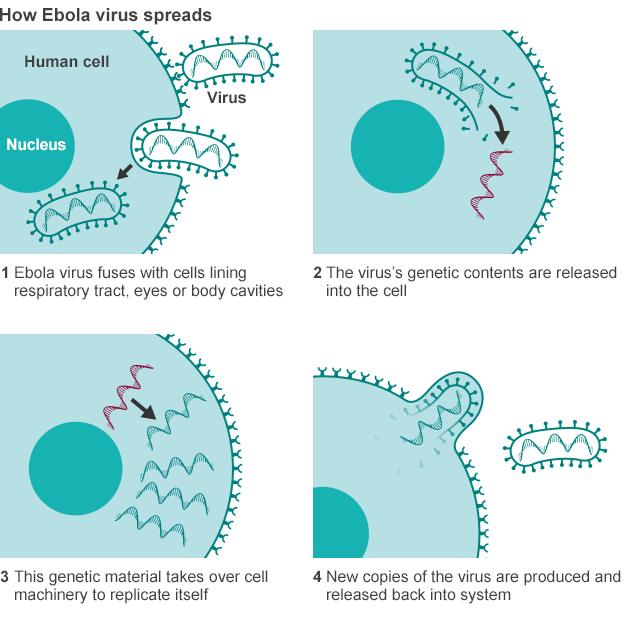
Ebola virus disease (EVD) progresses through distinct clinical stages, with the transition to the “wet” phase marking a significant escalation in patient vulnerability and transmission risk. According to the World Health Organization (WHO), Ebola is a severe, often fatal illness characterized by an initial period of non-specific symptoms followed by more aggressive, hemorrhagic manifestations. Understanding these clinical milestones is essential for early detection, effective isolation, and the implementation of appropriate infection control measures in clinical and community settings.
Clinical Progression and the “Wet” Phase
The clinical course of Ebola is generally categorized by the evolution of symptoms. In the initial, or “dry,” stage, patients typically present with sudden onset of fever, fatigue, muscle pain, headache, and sore throat. These symptoms are often indistinguishable from other common infectious diseases like malaria or typhoid fever, which can complicate early diagnosis, as noted by the Centers for Disease Control and Prevention (CDC).
The transition to the “wet” phase represents a critical shift in the disease trajectory. During this stage, the virus causes more severe systemic involvement, often leading to vomiting, diarrhea, and—in a subset of cases—internal and external bleeding. The WHO emphasizes that the presence of these fluids significantly increases the viral load and the subsequent risk of transmission to caregivers and medical staff if rigorous personal protective equipment (PPE) protocols are not strictly followed. This phase is associated with a higher likelihood of multi-organ failure and shock.
Transmission Dynamics and Infection Control
Ebola is introduced into the human population through close contact with the blood, secretions, organs, or other bodily fluids of infected animals, such as fruit bats or non-human primates. Once human-to-human transmission begins, the risk is concentrated in the interaction with bodily fluids. The CDC reports that the virus is not airborne; rather, it spreads through direct contact with broken skin or mucous membranes of a person who is sick with or has died from the disease.
The “wet” phase is particularly dangerous because the high viral concentration in vomiting and diarrhea facilitates environmental contamination. In healthcare settings, the management of these patients requires specialized isolation units. According to guidelines from the World Health Organization, the use of impermeable gowns, double gloves, face shields, and respiratory protection is mandatory when managing patients who have progressed to the symptomatic, wet stages of the disease.
Public Health Implications
The primary strategy for controlling Ebola outbreaks involves breaking the chain of transmission. This includes rapid identification of cases, contact tracing, and the safe, dignified burial of individuals who have succumbed to the virus. Because the virus remains present in bodily fluids even after death, the risk of transmission during funeral rites remains a significant public health concern in affected regions.
Medical innovation has led to the development of vaccines and therapeutics that have changed the outlook for EVD patients. The WHO recognizes the Ervebo vaccine as an effective tool for preventing the Zaire ebolavirus species. Furthermore, monoclonal antibody treatments, such as Inmazeb and Ebanga, have been shown to significantly reduce mortality rates when administered early in the course of the disease. These medical advancements depend on the ability of healthcare systems to identify patients during the early, dry phase before the disease enters its most severe, wet stage.
Monitoring and Future Preparedness
Public health authorities continue to monitor for potential spillover events from wildlife. The World Health Organization maintains ongoing surveillance programs to detect outbreaks early. For healthcare providers, the focus remains on maintaining high levels of clinical suspicion in endemic areas and ensuring that diagnostic capacity is available to differentiate Ebola from other febrile illnesses.
International health agencies provide updated guidance for travel and clinical management as new data becomes available. Individuals in affected areas or those traveling to regions with active transmission should consult official health advisories from local ministries of health or international bodies like the WHO. Ongoing research into the long-term sequelae of the disease—often referred to as “post-Ebola syndrome”—remains an active area of study for clinicians and researchers worldwide.
We encourage readers to share this information to help raise awareness regarding the clinical signs of Ebola. For the latest verified updates on global health emergencies, visit the official World Health Organization website or the CDC portal. Please leave your comments or questions below.
Related reading