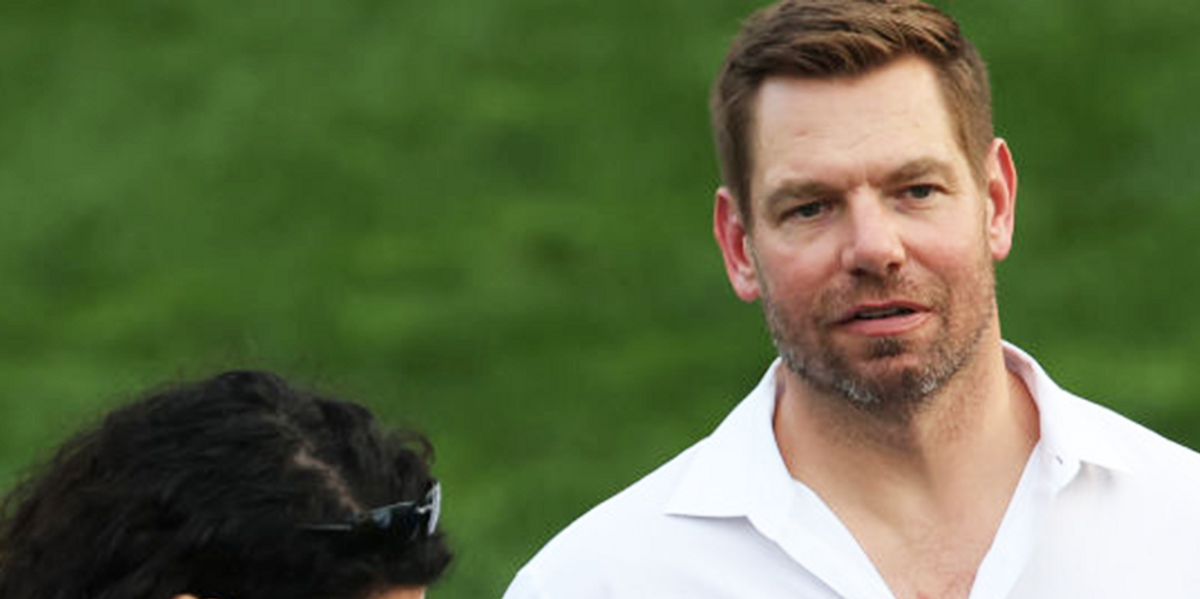
The political trajectory of former U.S. Representative Eric Swalwell reached a definitive and abrupt conclusion in April 2026, following a wave of sexual assault and misconduct allegations that dismantled his standing within the Democratic Party and ended his bid for the California governorship. The downfall was characterized by a modern digital catalyst: a network of women who utilized social media to coordinate their accounts and amplify their claims before they reached the mainstream press.
On Monday, April 13, 2026, Swalwell announced his intention to resign from Congress according to reports from CNN. The resignation followed an intense period of political fallout, including the loss of key endorsements for his gubernatorial campaign and a mounting threat of expulsion from the House of Representatives. By April 14, 2026, the resignation was finalized as detailed by CNN Politics.
At the center of the controversy are allegations of sexual assault and misconduct involving a former staff member and other women. While Swalwell has denied the claims, the legal stakes escalated quickly when the Manhattan District Attorney’s Office confirmed it had launched a criminal investigation into the sexual assault allegations on April 11, 2026.
The Role of Social Media in the Allegations
A critical element of the case against the former congressman was the proficiency with which both the accused and the accusers navigated digital platforms. Reporting indicates that the allegations gained significant momentum online before they were published by major news outlets. A network of accusers reportedly organized via social media to share their experiences and synchronize their narratives, creating a collective front that made the claims tough for political allies to ignore.
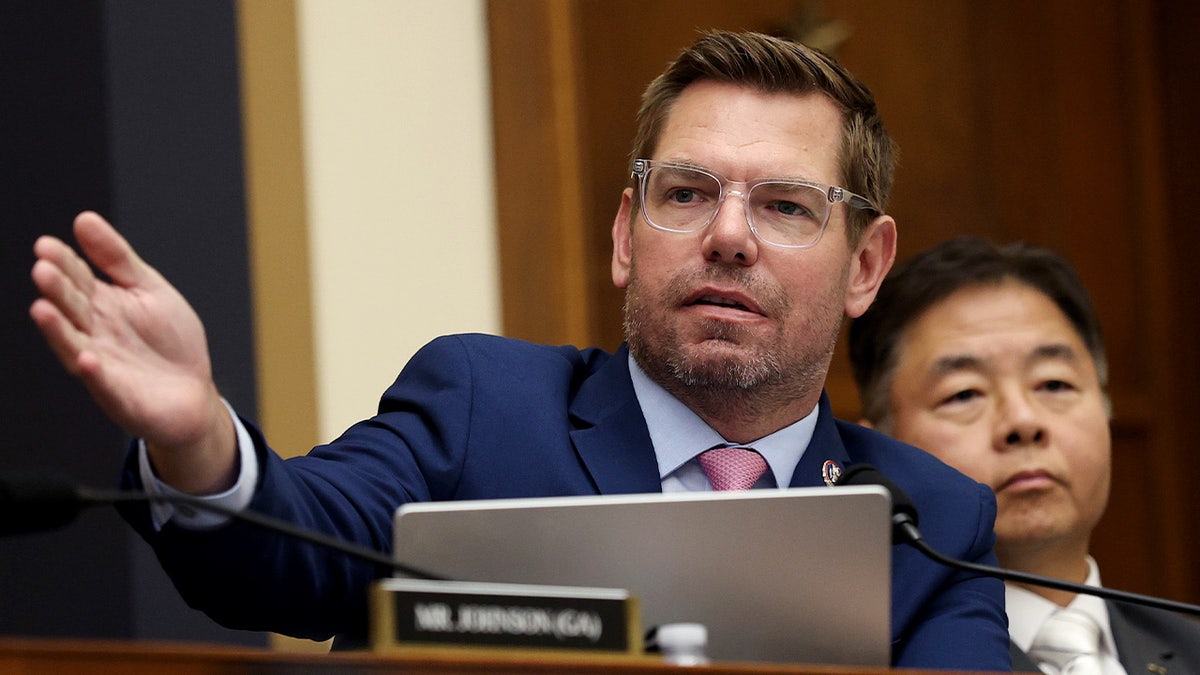
This digital coordination acted as a force multiplier, transforming individual accounts into a systemic critique of Swalwell’s conduct. According to reporting by NPR, this network of women organized online to share stories of alleged assault, which eventually broke through to the mainstream media and precipitated his political collapse on April 15, 2026.
The irony of the situation was noted by observers: Swalwell, who had long been viewed as a digitally savvy politician proficient in using social media for political branding and outreach, found himself targeted by the same tools. The use of ephemeral messaging and social networking platforms became central to the evidence and the organization of the accusers.
Political Fallout and the ‘Culture of Silence’
The impact of the allegations extended beyond Swalwell’s own office, sparking a conversation about the internal culture of the Democratic establishment. Senator Ruben Gallego of Arizona acknowledged that he had long heard rumors that Swalwell was flirty
with women, but admitted that his personal friendship with the congressman had clouded his judgment, leading him to remain silent.
This admission highlighted what some described as a culture of silence within political circles, where behavioral red flags were overlooked in favor of political utility. The fallout was swift; as the allegations became public, key Democrats who had previously backed Swalwell for governor of California withdrew their support, viewing the situation as untenable.
Timeline of the Downfall (April 2026)
| Date | Event | Significance |
|---|---|---|
| April 11, 2026 | Manhattan DA Investigation | Official criminal probe launched into sexual assault allegations. |
| April 12, 2026 | Campaign Suspension | Swalwell suspends his bid for California governor. |
| April 13, 2026 | Resignation Announcement | Swalwell announces plans to depart Congress. |
| April 14, 2026 | Formal Exit | Resignation finalized under threat of House expulsion. |
Legal Proceedings and Future Implications
The transition from a political scandal to a legal matter remains the primary focus for the former congressman. The investigation by the Manhattan District Attorney’s office is ongoing, and the level of cooperation from the accusers is expected to play a pivotal role in whether the case moves toward formal charges. Reports have indicated that at least one accuser is cooperating with the Manhattan DA’s investigation.
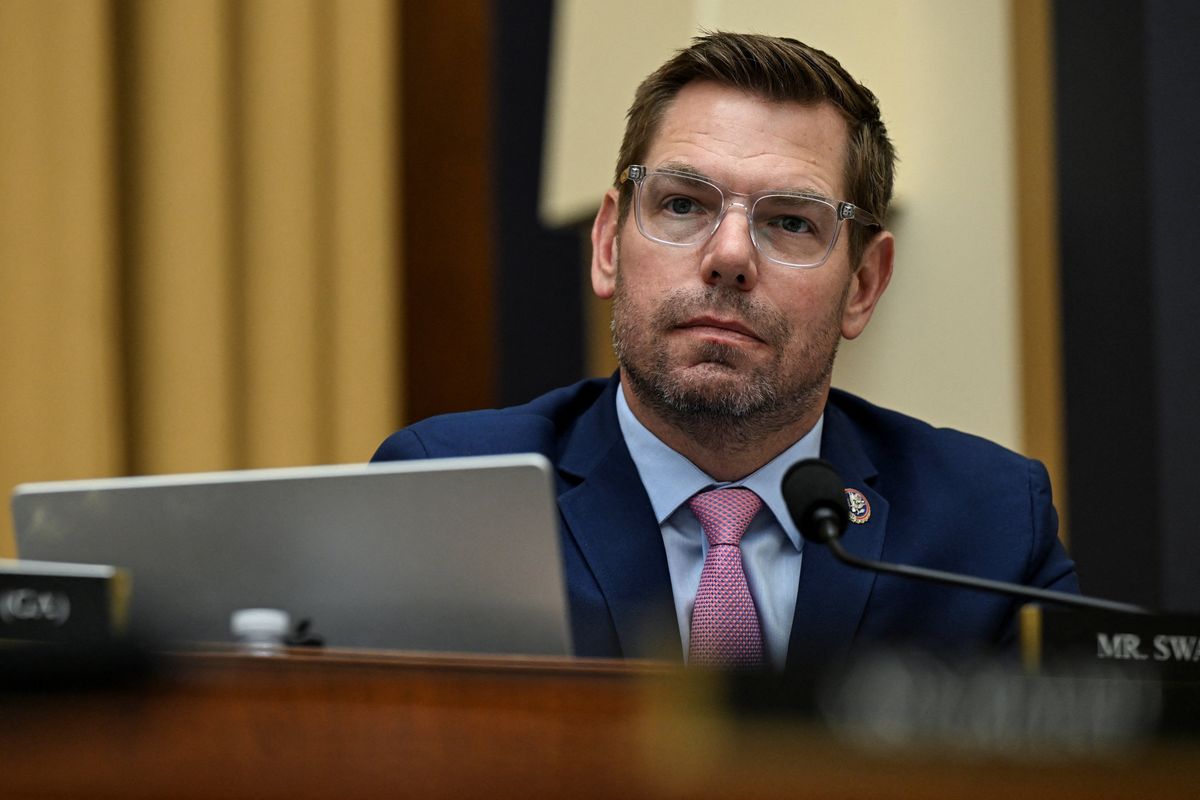
For the broader political landscape, the Swalwell case serves as a case study in the power of decentralized, online organization. The ability of accusers to bypass traditional gatekeepers and build a coordinated digital movement forced a rapid response from the House of Representatives and the Democratic Party, leaving little room for the typical “wait and see” approach often seen in political scandals.
The case too raises questions about the efficacy of congressional ethics oversight and the role of personal friendships in shielding lawmakers from accountability. The admission by Senator Gallego regarding the rumors of “flirty” behavior suggests that the warning signs were present long before the digital movement brought them to light.
The next confirmed checkpoint in this matter is the ongoing investigation by the Manhattan District Attorney’s office. Any formal indictments or legal filings resulting from this probe will be made public through the New York court system.
World Today Journal encourages readers to share this report and join the conversation in the comments regarding the intersection of social media and political accountability.
Worth a look