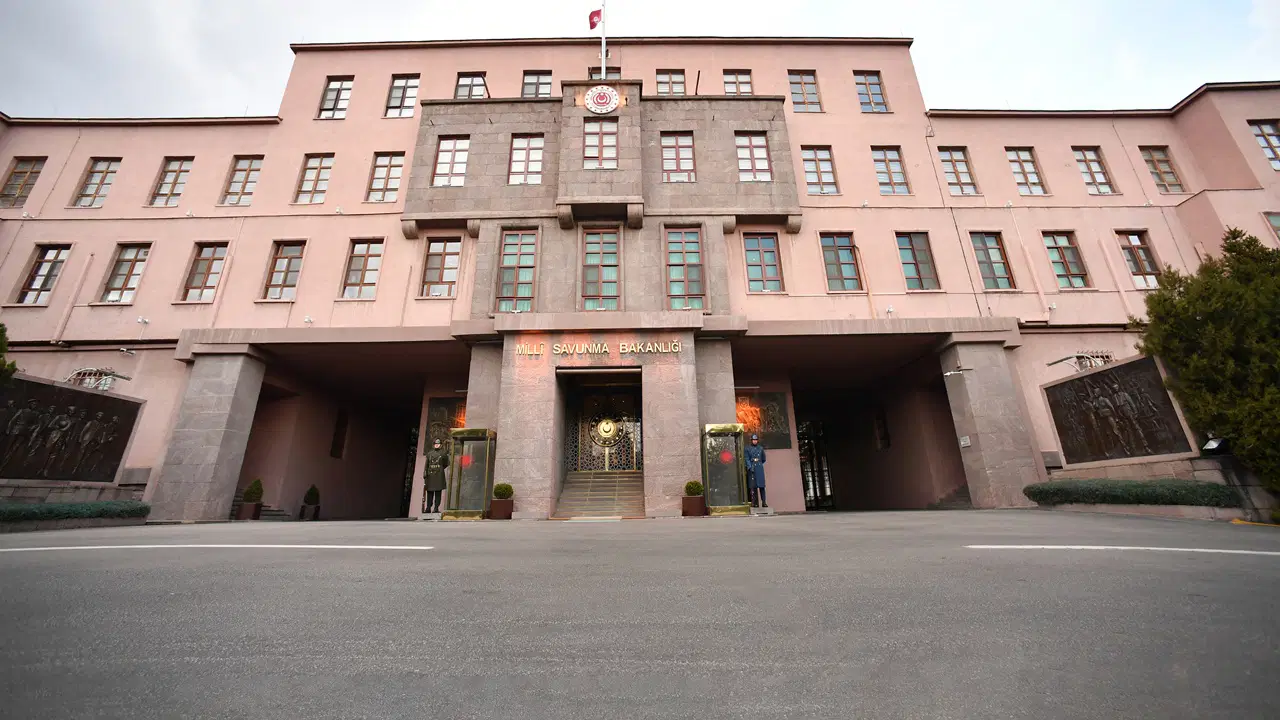
The Turkish Ministry of National Defense has terminated the probationary civil service status of a doctor who previously alleged that he was pressured to administer expired medications to military personnel. The decision follows a series of public claims made by the physician, which subsequently triggered an administrative investigation into the operational procedures of the Turkish Armed Forces (TSK).
The case centers on Efran Usul, a medical doctor who was serving in a probationary capacity within the military health system. Usul gained public attention after utilizing social media platforms to assert that he had been instructed by superiors to provide soldiers with drugs that had surpassed their expiration dates—a claim that drew immediate scrutiny from both military authorities and the public. Under Turkish civil service regulations, probationary employees are subject to performance and conduct evaluations that can lead to the termination of their appointment if deemed necessary by the administration, according to legal guidelines established by the Law on Civil Servants (No. 657).
Administrative Response to Public Allegations
Following the circulation of the allegations, the Ministry of National Defense launched an inquiry into the matter. Official statements from the military indicated that the claims regarding the distribution of expired medicine were investigated and subsequently found to be unsubstantiated. The administration maintained that the medical supply chains within the Turkish Armed Forces adhere to rigorous standards and that no such directive to distribute expired pharmaceuticals was ever issued to staff.
The termination of Usul’s employment was confirmed by official administrative channels, marking the conclusion of his tenure as an entry-level civil servant. While the doctor maintained his position through various digital platforms, the military’s internal findings ultimately contradicted the narrative presented in his public statements. In the context of military discipline, the dissemination of unverified claims regarding institutional health practices is viewed as a violation of professional conduct, as outlined in the Turkish Armed Forces Internal Service Law.
Context of the Investigation and Public Discourse
The incident sparked a wider debate regarding the oversight of military medical facilities and the use of social media by public servants. High-level officials, including representatives from the Ministry of National Defense, have addressed the situation to clarify the integrity of medical procurement. These officials emphasized that all medications provided to military personnel are monitored through centralized inventory systems designed to prevent the use of expired or compromised health products.
The case highlights the tensions between individual whistleblowing—a right protected under various administrative frameworks—and the professional obligations of civil servants to utilize internal reporting mechanisms before resorting to public disclosure. The dismissal serves as a reminder of the strict accountability measures in place within the Turkish public sector. For further information on civil servant rights and disciplinary procedures, members of the public can consult the official documentation provided by the Presidency of the Republic of Türkiye regarding administrative law.
No further legal hearings or administrative actions have been announced by the Ministry of National Defense at this time. The case remains a closed administrative matter, though it continues to serve as a reference point in discussions regarding the intersection of social media usage and the duties of state personnel. Readers are encouraged to monitor official government bulletins for any future updates regarding civil service regulations or military health policies.