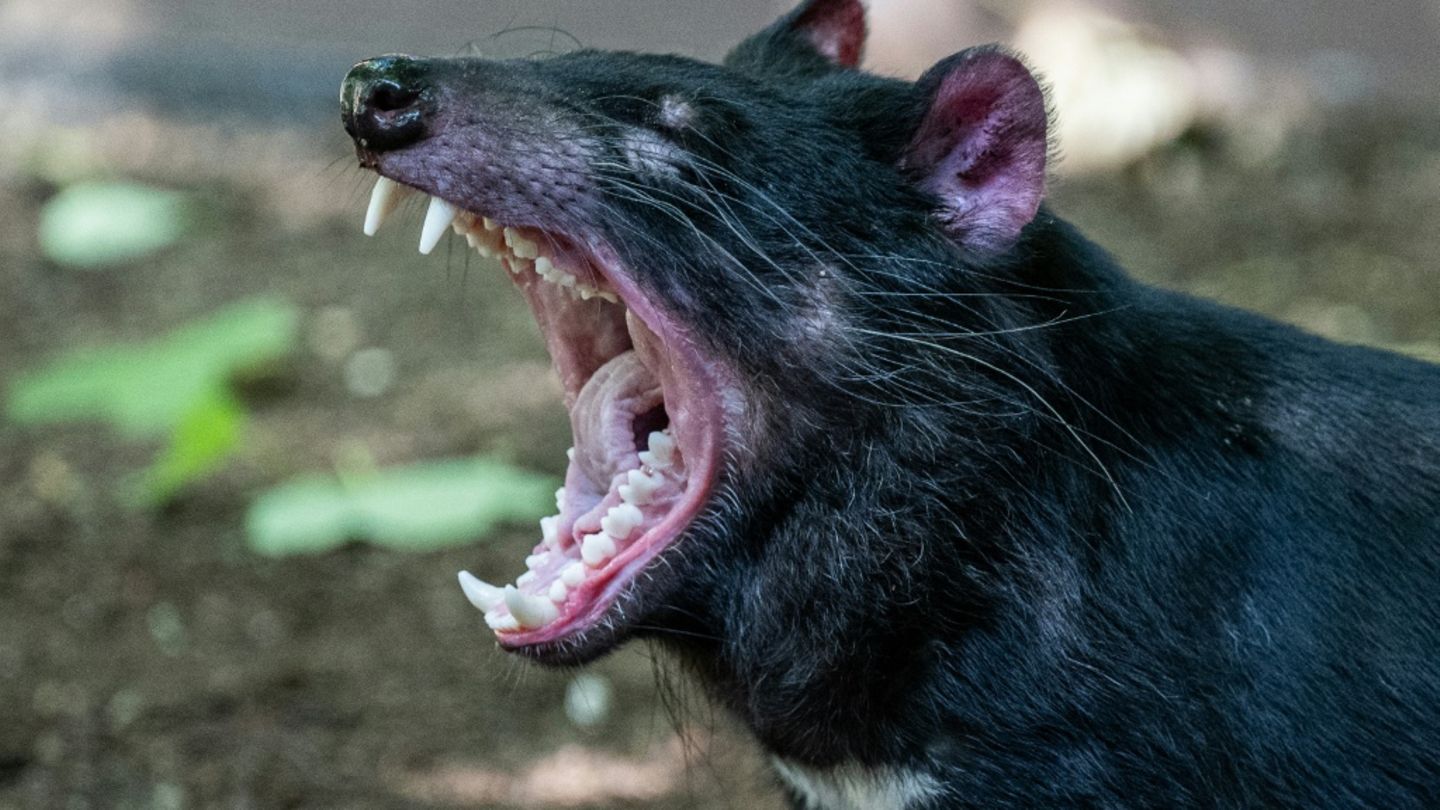
A Tasmanian devil that escaped from a wildlife sanctuary in Australia has been safely recovered after spending more than two weeks in the wild. The animal, a carnivorous marsupial, was located and returned to its enclosure following an extensive search operation led by park staff and local wildlife experts, according to reports confirmed by the Australian Reptile Park.
The escape of the animal, which is part of a critical conservation program, prompted concerns regarding its health and the safety of the surrounding environment. Tasmanian devils are listed as an endangered species, primarily due to the rapid spread of Devil Facial Tumour Disease (DFTD), a contagious cancer that has decimated wild populations in Tasmania since the 1990s, as noted by the Tasmanian Department of Natural Resources and Environment.
Recovery of the Missing Marsupial
The search concluded when the animal was discovered within the boundaries of the sanctuary grounds. Staff at the Australian Reptile Park reported that the devil was found in good health despite its fortnight-long excursion. The facility, located on the New South Wales Central Coast, confirmed that the marsupial’s recovery was the result of consistent monitoring and the use of specialized tracking efforts to locate the animal before it could wander into high-traffic areas or face predators.
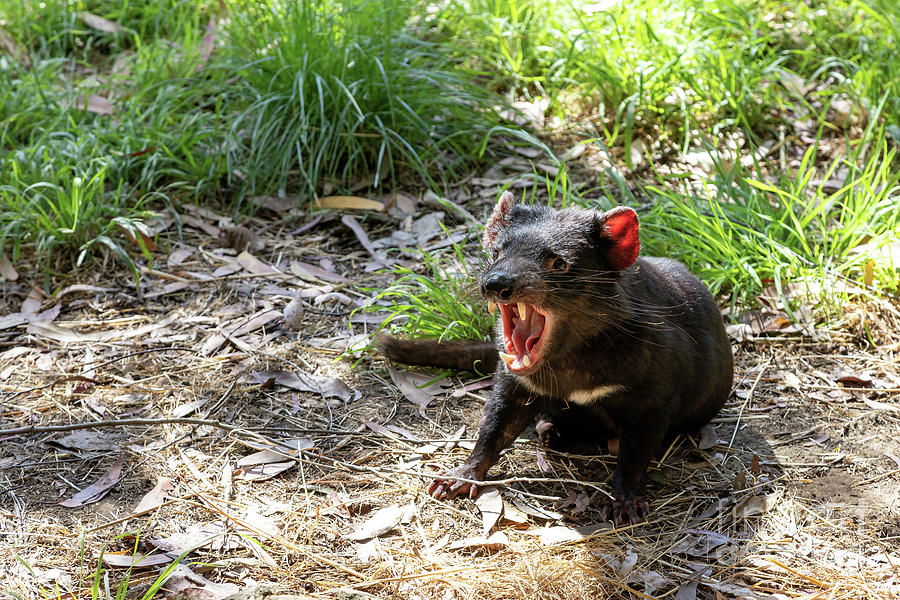
This incident highlights the challenges inherent in managing captive populations of Tasmanian devils. These animals are often held in mainland sanctuaries to maintain “insurance populations”—healthy groups kept separate from the disease-ridden wild populations in Tasmania. According to the Zoos Victoria conservation initiatives, these programs are essential for the species’ long-term survival, as they provide a genetic reservoir should the wild population collapse further.
Why Conservationists Monitor Tasmanian Devils
The Tasmanian devil (Sarcophilus harrisii) is the world’s largest surviving carnivorous marsupial. Once found across mainland Australia, their population is currently restricted to the island state of Tasmania. Conservationists prioritize these animals because their ecological role as scavengers helps keep the Tasmanian landscape free of carrion, which in turn reduces the spread of disease among other species.
The International Union for Conservation of Nature (IUCN) classifies the species as Endangered. Threats to the species go beyond DFTD; they also face risks from habitat loss, vehicle strikes, and competition with invasive species such as feral cats and red foxes. The escape of a single individual from a sanctuary is treated with urgency not only for the animal’s safety but because every individual in the insurance program is deemed genetically significant.
Safety Measures and Future Protocols
Following the recovery, sanctuary officials have begun an internal review of their enclosure security to prevent future escapes. Maintaining the integrity of these enclosures is a regulatory requirement for zoos and wildlife parks operating under the New South Wales Exhibited Animals Protection Act, which mandates strict standards for housing and containment of native wildlife.

The park has not announced any further changes to public viewing hours, but visitors are encouraged to follow all posted signage and remain in designated areas. While the animal is now back in its secure habitat, staff are continuing to perform daily health checks to ensure there are no lingering effects from its time in the wild. Further updates regarding the sanctuary’s conservation efforts are typically posted through the official Australian Reptile Park portal.
As the sanctuary returns to its standard operations, the focus remains on the ongoing battle against DFTD and the broader effort to reintroduce healthy populations to the wild. Readers interested in supporting these conservation efforts or staying informed on the status of the species can monitor official bulletins from state wildlife agencies or accredited zoological societies. We invite readers to share their thoughts on the importance of captive breeding programs in the comments section below.