
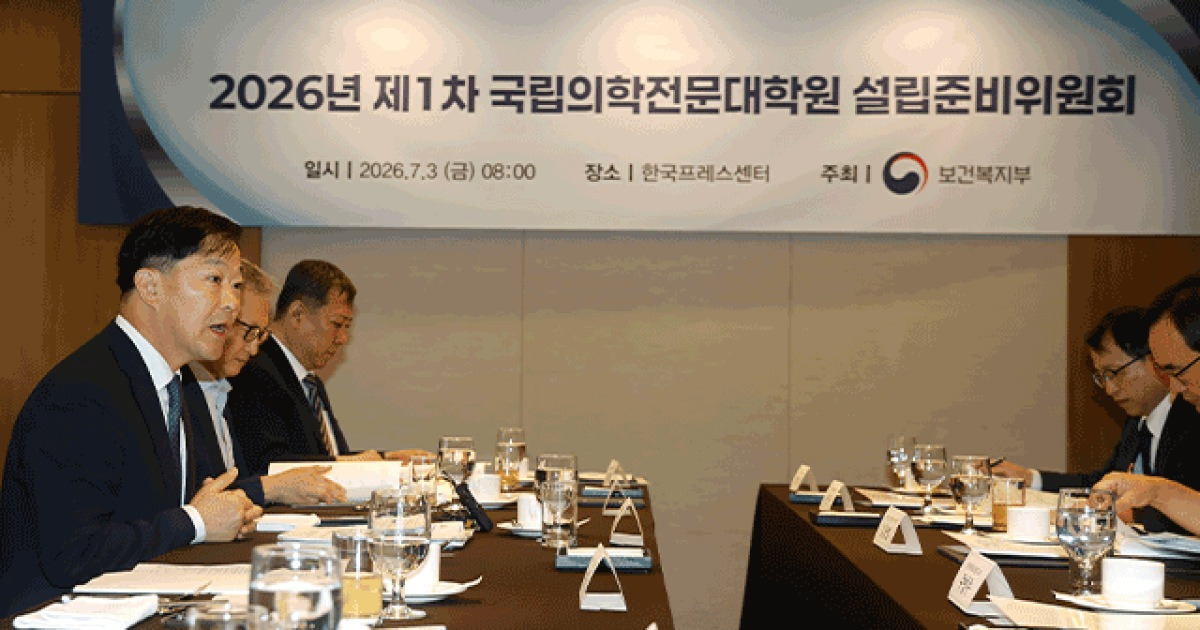
The South Korean government has officially moved to address chronic shortages in regional, essential, and public healthcare sectors by advancing plans to establish a national medical school, with the goal of opening the institution by 2029. This initiative, part of a broader national policy agenda to stabilize public health infrastructure, aims to train specialized medical personnel committed to serving in underserved areas.
Policy Background and Strategic Objectives
The push for a new national medical graduate school—often referred to as the National Medical School or “Public Medical School”—stems from long-standing concerns regarding the geographic maldistribution of doctors in South Korea. According to official government documentation, the Ministry of Health and Welfare has been tasked with developing the legislative and operational framework necessary to bring this project to fruition. The policy is designed to mandate that graduates fulfill a specific period of mandatory service in public health institutions or rural regions, thereby ensuring that essential medical services remain accessible outside of major metropolitan hubs like Seoul.
Progress on this front has accelerated throughout 2024. As of May 2024, the government has been actively refining the operational guidelines for the proposed school. These efforts are documented in the administrative updates provided by the Ministry of Health and Welfare, which emphasize that the curriculum will be tailored to meet the unique demands of public sector medicine, including emergency care, infectious disease management, and community-based health interventions.
Institutional Framework and Legislative Hurdles
The establishment of a new medical school requires significant legislative support, specifically through the passage of the “Act on the Establishment and Operation of the National Public Medical School.” While the executive branch has set the 2029 target date, the timeline remains subject to the progress of deliberations in the National Assembly. Legislative reports indicate that lawmakers are currently reviewing the proposed mandates, including the length of service required for graduates and the structure of scholarships intended to cover tuition and living expenses in exchange for this service commitment.

The Ministry of Health and Welfare has noted that this initiative is not intended to replace existing medical education but to complement it by creating a dedicated pipeline for public health service. By focusing on students who commit to a career in the public sector, the government aims to mitigate the “brain drain” of physicians toward private practice and high-revenue specialized fields in urban areas. This strategy aligns with broader public health goals outlined in the government’s 2024 healthcare reform roadmap, which can be reviewed via the Ministry of Health and Welfare official portal.
Addressing Regional Health Disparities
Regional health inequality remains a primary driver for this policy. Data from the Korea Disease Control and Prevention Agency (KDCA) and various health policy institutes have consistently shown that residents in remote provinces experience longer wait times for emergency care and have fewer options for specialized treatment compared to those in the capital region. The planned medical school is intended to act as a localized solution, training doctors who are familiar with the specific needs of regional health centers and public hospitals.
Critics and stakeholders in the medical community have raised questions regarding the quality of education and the long-term sustainability of mandatory service models. However, government officials maintain that the 2029 opening is a realistic target, provided that the necessary legal frameworks are established within the current legislative session. The government’s intent, as clarified in recent press briefings, is to finalize the selection of the school’s location and the scale of its enrollment capacity before the end of the year.
Next Steps in the Development Timeline
The next major checkpoint for the project involves the formal review of the legislation by the parliamentary Health and Welfare Committee. Observers and those interested in the development of South Korea’s medical education landscape should monitor the upcoming National Assembly plenary sessions for updates on the bill’s passage. The Ministry of Health and Welfare is expected to release further implementation details, including site selection criteria and specific budgetary allocations, following the conclusion of current legislative reviews.
As the landscape of medical policy evolves, we will continue to monitor these developments. Readers are encouraged to share their thoughts on the implications of this policy for South Korea’s public health future in the comments section below.