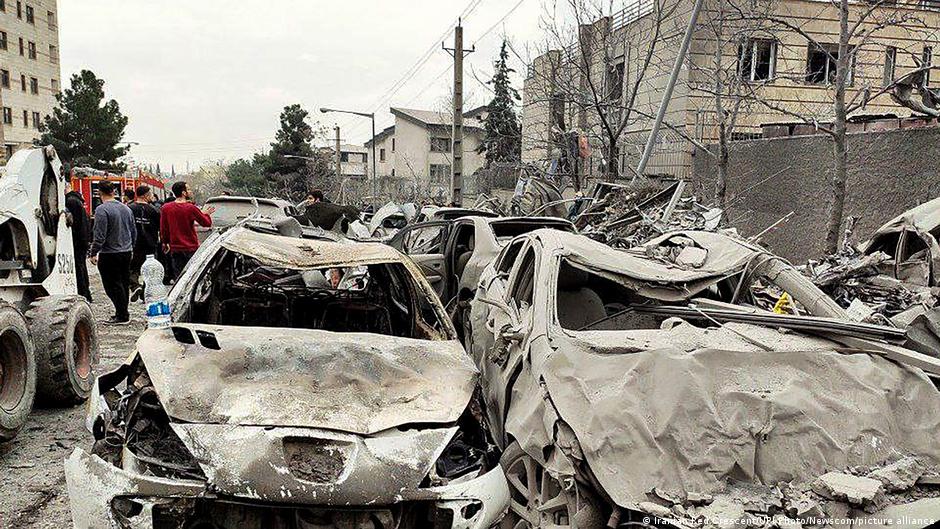
United States military forces have conducted a series of strikes against 90 targets linked to Iranian-backed interests, marking a significant escalation in regional tensions. The operation, which officials describe as a response to ongoing security threats in the Middle East, has drawn immediate condemnation from Tehran, which has characterized the actions as a violation of international law. The strikes follow a period of heightened instability centered on the strategic Strait of Hormuz, a critical global maritime chokepoint.
According to reports from multiple international observers, the aerial campaign resulted in significant casualties, with initial figures indicating at least 14 fatalities. The Pentagon has maintained that the targets were specifically chosen to degrade the operational capabilities of groups aligned with Tehran that have threatened U.S. personnel and regional stability. This development effectively terminates the recent de-escalation efforts, as diplomatic channels between Washington and Tehran remain effectively frozen.
Strategic Impact and Regional Security
The recent military activity highlights the persistent instability surrounding the Strait of Hormuz, a waterway that remains the focal point of the broader U.S.-Iran conflict. Analysts observe that despite repeated attempts at containment, the core objectives of U.S. policy—securing the passage of commercial vessels and neutralizing regional threats—remain unfulfilled. The U.S.

In response to the strikes, Iranian officials have formally accused the United States of committing “crimes of war,” rejecting the justifications provided by Washington for the bombardment. The rhetoric from Tehran suggests that the Iranian government views these strikes not as a defensive measure, but as a deliberate act of aggression intended to destabilize the region. While the U.S. government maintains that its targets are limited to military infrastructure, the humanitarian and political fallout continues to complicate the prospect of returning to the negotiating table.
Diplomatic Stagnation and the End of Ceasefire Efforts
The diplomatic landscape has shifted toward open confrontation, with leadership in Washington signaling a clear departure from previous attempts at conflict mitigation. Observers note that the abandonment of informal ceasefire agreements represents a critical juncture in the bilateral relationship. The current administration’s decision to move away from negotiations indicates a shift toward a policy of direct pressure, despite concerns from international allies regarding the potential for broader regional conflict.

The lack of a functioning diplomatic framework means that there are currently no active, high-level discussions aimed at de-escalating the situation. For the international community, the primary concern remains the potential for miscalculation. As both sides harden their positions, the risk of a wider, unintended military engagement increases. The United Nations Charter provides the standard framework for assessing the legality of such actions, yet the competing interpretations of “self-defense” and “sovereignty” continue to drive the narrative in both Washington and Tehran.
Current Status of the Conflict
As of the most recent reports, there is no indication that the military pressure will subside in the immediate future. The following points summarize the current state of the engagement:

- Military Operations: U.S. forces have targeted 90 locations identified as key nodes for Iranian-backed operations, focusing on logistics and command centers.
- Casualty Estimates: Independent reports confirm at least 14 deaths resulting from the strikes, though precise figures regarding non-combatant impact remain subject to verification.
- Diplomatic Status: All previous ceasefire agreements are effectively void, with no scheduled talks between the two nations.
- Maritime Security: The Strait of Hormuz remains a high-risk zone, with commercial shipping continuing to face significant insurance and security challenges.
The international community is now looking toward the next session of the UN Security Council for any potential formal review of these events, though observers remain skeptical that a consensus can be reached. The situation remains fluid, with both the U.S. and Iran indicating that they are prepared to continue their current courses of action. We will continue to monitor official statements from the Pentagon and the Iranian Ministry of Foreign Affairs as they become available. Please share your thoughts on these developments in the comments section below.