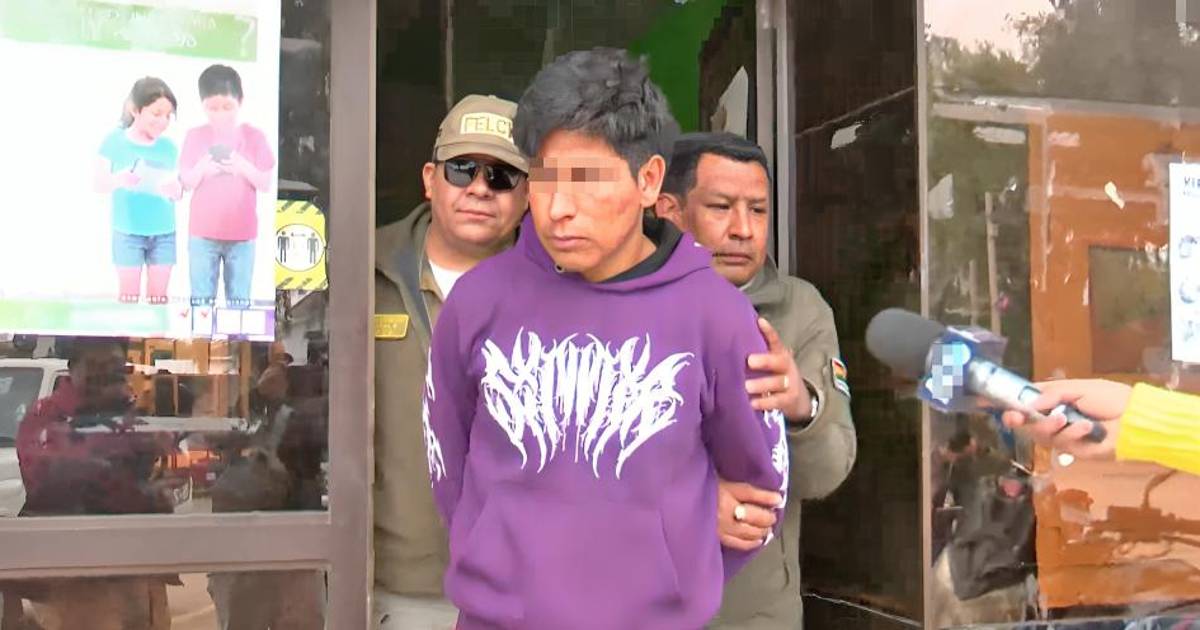
A Bolivian court has ordered the pretrial detention of a man accused of the femicide of 27-year-old Máxima Álvarez, whose death occurred during a live social media broadcast. The judicial decision, confirmed by the Public Ministry of Bolivia, mandates that the suspect remain in custody while investigations into the violent incident continue. The case has drawn significant attention due to the circumstances surrounding the victim’s final moments.
According to reports from local judicial authorities, the incident took place in the department of La Paz. The victim was allegedly attacked and killed while she was engaged in a digital transmission, a detail that has been central to the ongoing police investigation. The Follow-up Mechanism to the Belém do Pará Convention emphasizes that such cases of gender-based violence are processed under strict protocols to ensure the protection of evidence and the rights of the victim’s family.
Legal Proceedings and Pretrial Detention
The decision to send the suspect to prison was issued following an initial hearing where prosecutors presented evidence of the crime. Under the Bolivian legal framework, specifically the Law 348 (Comprehensive Law to Guarantee Women a Life Free of Violence), the judicial system is required to prioritize cases of femicide to prevent impunity. The judge overseeing the case determined that there was sufficient evidence to warrant preventative detention, citing the risk of flight and the severity of the charges.
The suspect, whose identity has been formally registered by the Bolivian National Police, faces charges for the crime of femicide. The prosecution argued that the digital trail left by the victim’s broadcast provides critical insights into the moments preceding the violence. Investigators are currently analyzing the technical aspects of the recording to corroborate witness testimonies provided during the initial stages of the case.
Understanding Femicide Protocols in Bolivia
Bolivia maintains one of the most stringent legal frameworks in Latin America regarding violence against women. Law 348 was enacted to address the systemic issues surrounding gender-based violence, providing specialized courts and mandatory reporting procedures for law enforcement. The United Nations Women organization has previously highlighted that the effective application of these laws depends on the coordination between judicial authorities and specialized police units.
In this specific case, the involvement of digital media has added a layer of complexity to the evidentiary process. Forensic experts are working to authenticate the video data, ensuring that the digital evidence meets the standards required for a eventual trial. The Public Prosecutor’s Office has confirmed that the investigation remains open and that additional forensic analysis is ongoing to ensure all aspects of the crime are documented according to national legal standards.
Impact and Community Response
The news of Máxima Álvarez’s death has sparked conversations regarding digital safety and the prevalence of gender-based violence. Advocacy groups, including those registered with the Organization of American States, continue to call for increased resources for victims of domestic abuse. The public nature of the incident has underscored the dangers often faced by individuals in domestic settings, prompting calls for more robust intervention strategies from state institutions.
The legal process remains in its preliminary phase. As the investigation progresses, the court will establish a timeline for the presentation of formal charges. The next confirmed checkpoint for this case is the completion of the evidentiary phase, where prosecutors will synthesize the digital and physical evidence collected by the FELCV (Special Force for the Fight Against Violence).
We will continue to monitor the proceedings as they unfold in the Bolivian judicial system. Readers are encouraged to share this article to keep the focus on the importance of ending gender-based violence. For those seeking resources or support regarding domestic violence, please consult local official services or international organizations like UN Women for guidance on reporting and protection.