
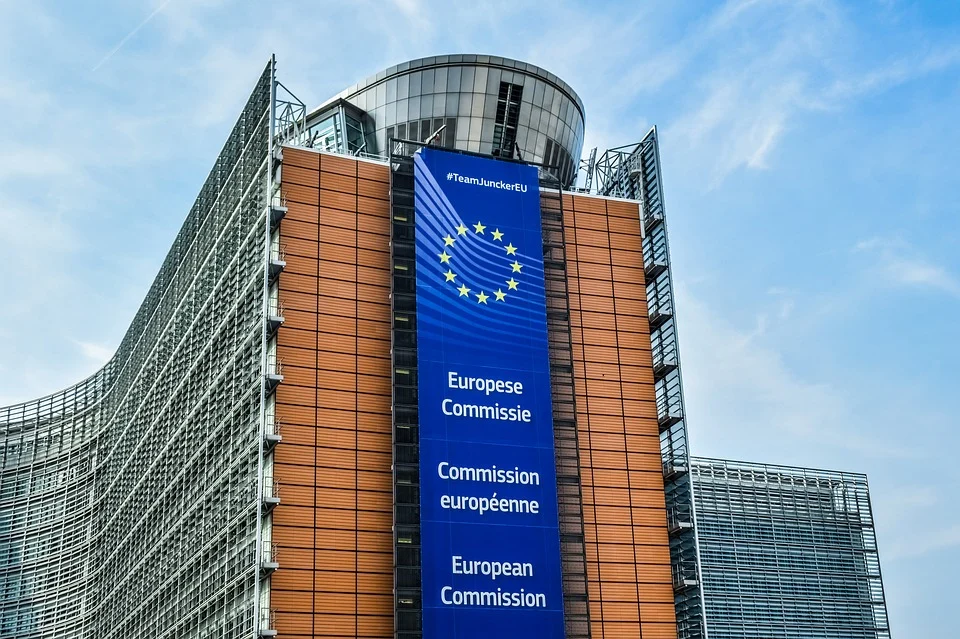
The European Commission maintains the EU Air Safety List, a comprehensive roster of airlines prohibited from operating within the European Union due to consistent failures to meet international safety standards. As of the most recent update, a total of 154 airlines are subject to an operating ban in EU airspace, according to the official European Commission aviation safety database. This regulatory measure is designed to ensure a high level of safety for passengers traveling within the bloc by preventing carriers from countries with inadequate aviation oversight from entering European territory.
The list is updated periodically based on assessments conducted by the European Union Aviation Safety Agency (EASA) and the EU Air Safety Committee. These bodies evaluate the safety oversight capabilities of civil aviation authorities in various nations. When a state fails to implement or enforce international safety standards, the European Commission imposes restrictions, which may include a total ban on all air carriers certified in that country or specific restrictions on individual airlines.
Why Airlines Are Banned from EU Skies
Airlines are placed on the EU Air Safety List primarily when there is evidence of systemic safety deficiencies. According to the European Union Aviation Safety Agency (EASA), the decision to ban a carrier is not necessarily a reflection of the individual airline’s maintenance records alone, but often stems from the inability of the national aviation authority to provide proper safety oversight. If a country’s regulatory body cannot effectively audit its own airlines to ensure they comply with International Civil Aviation Organization (ICAO) standards, the EU deems those carriers a risk to public safety.
The process involves a rigorous review cycle. If the European Commission identifies safety concerns, it engages in a dialogue with the relevant national authorities to seek improvements. If these efforts fail to produce satisfactory results, the Commission moves to add the airlines to the banned list. This mechanism serves as a preventive tool, ensuring that carriers operating in European airspace meet the stringent safety benchmarks established by EU regulations.
Who Is Affected by the List
The 154 airlines currently banned primarily originate from nations where aviation oversight is considered insufficient. This includes all air carriers certified in several countries, such as Afghanistan, Sudan, and Sierra Leone, among others, as noted in the official list published by the European Commission. Passengers booking flights to or from these regions are advised to consult the official list before finalizing travel plans, as these airlines are prohibited from flying into, out of, or over European Union territory.
In addition to total country-wide bans, the list also includes individual airlines that have been banned on a case-by-case basis. These carriers are often prohibited due to specific safety concerns identified by EASA during operational inspections or through reports of recurring technical issues. The list is dynamic, and airlines can be removed if they demonstrate sustained improvements in safety management and regulatory compliance.
How Safety Standards Are Monitored
Monitoring is a continuous, year-round process overseen by the EU Air Safety Committee. This committee is composed of aviation experts from each of the 27 EU member states, chaired by the European Commission and assisted by EASA. They meet at least twice a year to review evidence, which may include findings from ramp inspections at European airports and audits of foreign aviation authorities.
The Regulation (EC) No 2111/2005 provides the legal framework for this process, establishing the common criteria for the imposition of operating bans. By maintaining this transparency, the EU provides travelers with a clear resource to verify the safety status of their chosen airline. Consumers are encouraged to check the official EU Air Safety List portal, which is regularly updated to reflect the most current regulatory decisions.
What Happens Next
The European Commission conducts regular reviews of the list to ensure it remains current. Any airline or state authority seeking to be removed from the list must provide documented evidence of corrective actions taken to address safety deficiencies. These submissions are then evaluated by the Air Safety Committee. The next scheduled review cycle for the list will be determined by the Commission’s ongoing safety assessment schedule, with updates published in the Official Journal of the European Union as necessary. For travelers, the safest course of action remains verifying the operator’s status through official channels before completing a ticket purchase.
Have you checked your airline’s safety status recently? Share your thoughts on how international aviation regulations influence your travel decisions in the comments section below.
- Malaria Mosquitoes Now Resistant to All Insecticides: Scientists Race for a Solution
- Deadly Cyclospora Outbreak Linked to Mexican Lettuce Spreads in the US
- Lawmakers Raise Concerns Over Insurance Scores in Homeowners Insurance Underwriting (newsdirectory3.com)
- Denver Metro Intersection Safety Project Enhances Four Key Locations (news-usa.today)