For millions of residents in Germany, the “ARD ZDF Deutschlandradio Beitragsservice” is a name synonymous with the mandatory monthly broadcasting fee, known as the Rundfunkbeitrag. While the letters on the envelope are familiar, the legal architecture behind the name is remarkably complex. For legal professionals, intellectual property analysts, and concerned citizens, a critical question often arises: Which specific legal entity actually holds the trademark rights to this name, both nationally and within the European Union?
Understanding the ownership of these trademarks is not merely an academic exercise in corporate law. In an era of sophisticated phishing scams and administrative legal challenges, identifying the “proprietor” of a trademark is essential for determining who has the legal standing to sue for infringement or who is responsible for the official communication sent to millions of households. The answer lies at the intersection of German administrative law, the unique structure of public service broadcasting, and the regulations of the European Union Intellectual Property Office (EUIPO).
To the casual observer, the ARD ZDF Deutschlandradio Beitragsservice appears to be a single company. However, from a legal standpoint, it is not a standalone corporation (such as a GmbH or AG) with its own independent legal personality. Instead, it is an operational service entity created to centralize the collection of fees for three distinct public broadcasting organizations: the ARD (a consortium of regional broadcasters), ZDF (Zweite Deutsche Fernsehen), and Deutschlandradio.
The Legal Anatomy of the Beitragsservice
The “ARD ZDF Deutschlandradio Beitragsservice” is a service organization, not a separate legal person. In the German legal system, for an entity to hold a trademark in its own name, it must generally be a “legal person” (juristische Person) or a natural person. Because the Beitragsservice is an administrative arm, the trademark rights must be anchored to a legal entity that possesses the capacity to hold assets and enter into contracts.
The legal basis for the collection of the broadcasting fee is established by the Interstate Treaty on the Organization of Broadcasting (Staatsvertrag). Under this framework, the ARD, ZDF, and Deutschlandradio have agreed to a joint collection system to avoid triplicate billing for every household in Germany. The “Beitragsservice” acts as the central processing hub for this joint effort.
When examining trademark filings at the European Union Intellectual Property Office (EUIPO) and the German Patent and Trade Mark Office (DPMA), the ownership is typically attributed to the lead organization managing the service. In the case of the broadcasting contribution, the ARD—specifically through its administrative structures—takes the lead in managing the collection process on behalf of the other partners.
Who is the Registered Proprietor?
Because the ARD itself is a consortium (an Arbeitsgemeinschaft) of regional broadcasters (such as WDR, NDR, and BR), it is not a single legal entity. Trademarks are often registered by a specific member of the consortium acting as the administrative lead or by a specifically designated legal vehicle managed by the ARD.
In practice, the “ARD ZDF Deutschlandradio Beitragsservice” functions as a trade name. The underlying legal entity responsible for the trademark’s maintenance and enforcement is typically the organization that manages the Beitragsinnendienst. This structure ensures that while the public sees a unified brand, the legal accountability remains with the established public broadcasting corporations that are mandated by law to provide the service.
EU Trademarks vs. National Rights
The distinction between a national trademark (registered with the DPMA) and a Union Trade Mark (EUTM, registered with the EUIPO) is significant for a service operating within the European Single Market. A Union Trade Mark provides protection across all member states of the European Union with a single application.
For the Beitragsservice, the primary goal of trademarking is not commercial expansion—since the broadcasting fee is a domestic German mandate—but rather brand protection and fraud prevention. By securing the name “ARD ZDF Deutschlandradio Beitragsservice” as a trademark, the broadcasters can legally compel internet service providers and domain registrars to shut down “spoof” websites that mimic the official payment portal to steal banking details from citizens.
If a trademark is registered as an EUTM, it prevents any other entity within the EU from using a confusingly similar name for similar services. This represents a critical defense mechanism against international cybercrime syndicates that often host phishing sites on servers located outside of Germany but within the EU.
The Mechanics of Joint Ownership
In complex institutional arrangements, trademarks can be held in several ways:

- Sole Ownership: One lead broadcaster (e.g., a specific regional ARD house) holds the mark on behalf of the others.
- Joint Ownership: Multiple entities are listed as co-proprietors, meaning any decision to license or defend the mark requires mutual consent.
- Trust Arrangement: The mark is held by one entity in trust for the benefit of the consortium.
In the case of the German public broadcasters, the administrative efficiency of the “Lead Entity” model is generally preferred. This avoids the bureaucratic gridlock that would occur if every single regional broadcaster had to sign off on every trademark renewal or infringement notice.
Why the Legal Entity Matters for the Public
For the average citizen, the question of “who owns the mark” may seem trivial, but it has real-world implications for legal disputes and transparency.
1. Legal Standing in Court
If a citizen wishes to challenge the legality of the broadcasting fee or the methods used by the Beitragsservice, they must sue the correct legal entity. You cannot sue a “service” or a “trademark”; you must sue the legal person who operates that service. This is why court summons are typically directed at the specific broadcasting corporation (e.g., the ARD or a specific regional house) rather than the “Beitragsservice” itself.
2. Combatting Phishing and Scams
The “Beitragsservice” is a frequent target for fraudsters. Scammers send emails claiming there is an “outstanding balance” or a “refund available,” directing users to fake websites. The trademark rights allow the actual proprietors to initiate “Takedown Notices” based on trademark infringement. Without a clearly defined legal proprietor, the process of removing these fraudulent sites from the web would be significantly slower and more legally cumbersome.
3. Administrative Accountability
The use of a unified trademark creates a “single face” for the public, but the funding and governance are split. The trademark masks a complex financial flow where the collected funds are distributed among the ARD, ZDF, and Deutschlandradio based on a formula determined by the State Treaty.
Summary of the Trademark Framework
To clarify the relationship between the brand and the law, the following table outlines the distinction between the operational name and the legal reality.
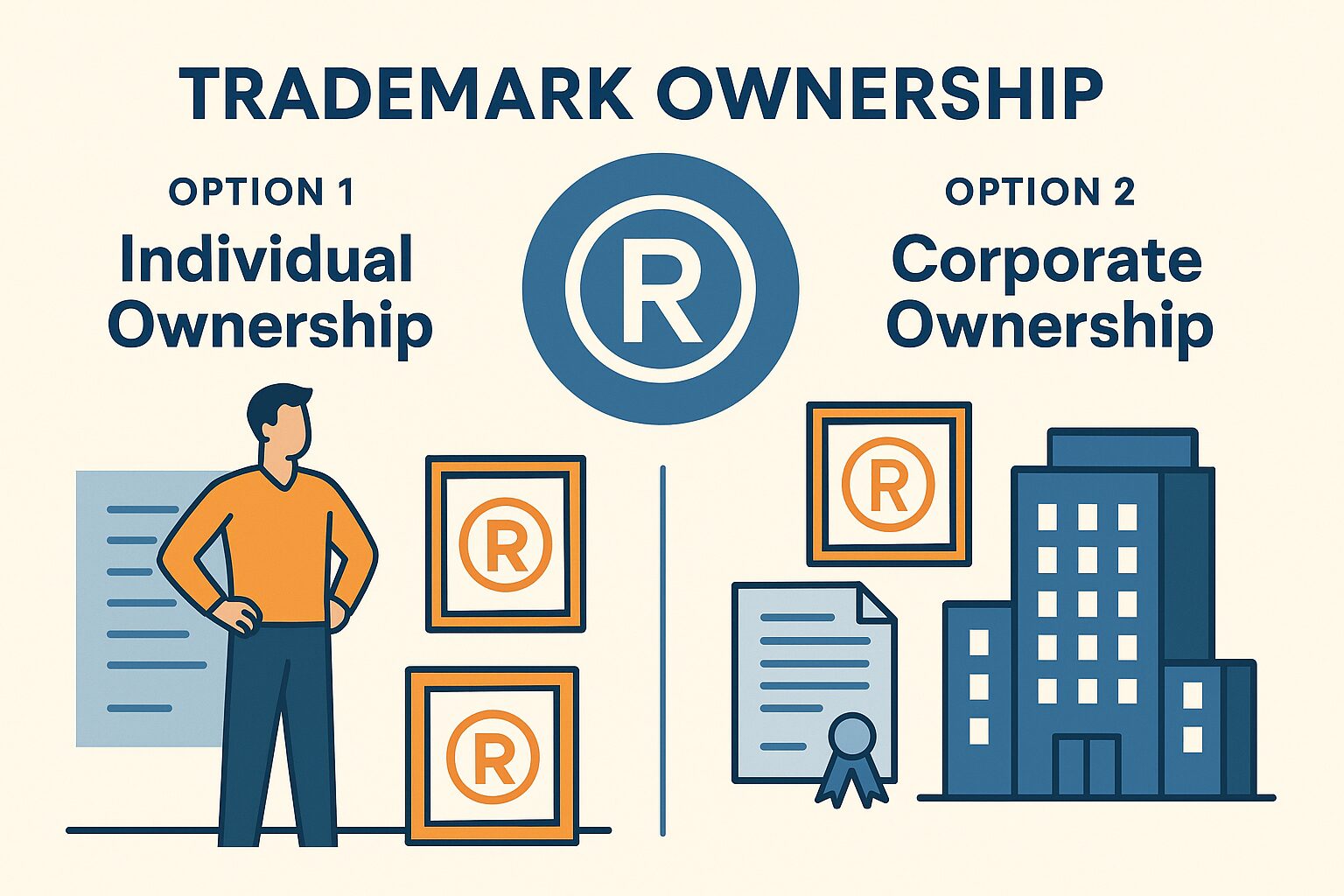
| Feature | ARD ZDF Deutschlandradio Beitragsservice | The Underlying Legal Entity (e.g., ARD Member) |
|---|---|---|
| Legal Status | Operational Trade Name / Service | Legal Person (Juristische Person) |
| Trademark Role | The “Mark” (The protected name) | The “Proprietor” (The owner of the mark) |
| Court Standing | Cannot be sued/sue independently | Has full legal capacity to litigate |
| Function | Public-facing administrative hub | Governance and legal accountability |
Looking Ahead: The Digital Evolution of Public Fees
As Germany moves toward more digitized administrative processes, the role of the Beitragsservice is evolving. There are ongoing discussions regarding the modernization of the Staatsvertrag to better reflect the digital media landscape. This may eventually lead to a restructuring of how these services are managed and, how their intellectual property is held.
For now, the “ARD ZDF Deutschlandradio Beitragsservice” remains a powerful brand—not because it sells a product, but because it represents a state-mandated obligation. Its trademark protection is the primary tool used to ensure that the bridge between the citizen and the state-funded broadcaster remains secure and official.
For those seeking to verify a specific trademark registration, the most accurate method is to perform a direct search of the EUIPO eSearch plus database using the term “Beitragsservice” or the names of the primary broadcasting corporations. This will provide the most current record of the registered proprietor and the specific classes of goods and services covered by the protection.
Next Official Milestone: Legal analysts are monitoring upcoming reviews of the Interstate Treaty on Broadcasting, which may provide further clarity on the administrative restructuring of fee collection services.
Do you have questions about the legal structure of public services or intellectual property in the EU? Share your thoughts in the comments below or share this analysis with your network.
Worth a look