Brussels Targets Single-Use Waste in Overhaul
Europe is overhauling its approach to single-use packaging, introducing strict new EU regulations that will phase out miniature condiment packets, hotel toiletries, and eventually mandate customer takeaway containers across member states. According to European Union directives reported by regional news outlets, the legislation targets excessive waste streams filling regional landfills, shifting obligations directly onto the hospitality, catering, and retail sectors.
For decades, small condiment sachets containing ketchup, mayonnaise, sugar, and various seasonings have remained fixtures of highway service stations, hotels, and casual eateries. The European Commission notes that these single-use items are notoriously difficult to recycle because manufacturers typically combine paper with protective plastic coatings. Under the newly implemented regulations, these ubiquitous packets are facing a phased removal from the market to cut down on continent-wide plastic pollution.
Strict Deadlines Set for 2027 and 2028
The legislative roadmap outlines a series of precise milestones for businesses operating within the hospitality and food service industries. As detailed by European reporting platforms covering the mandate, the regulatory schedule sets strict operational targets for the coming years.
The regulatory framework moves in distinct chronological stages, shifting responsibilities to businesses and consumers alike. By 2027, dining establishments and vendors offering takeaway food will be required to accommodate customers who bring their own personal containers, giving patrons the legal right to request that their purchases be packed into their own boxes.
One year later, in 2028, food service enterprises must expand their infrastructure further. Businesses will be mandated to offer reusable packaging options, supported by newly established deposit-return mechanisms and fully reversible packaging systems designed to keep materials in circulation.
The 2030 Hotel Toiletries and Sachet Ban
The most visible changes for everyday consumers are scheduled for 2030. According to the regulatory schedule, a complete ban will take effect against entire categories of small packaging formats used in catering, restaurants, and lodging providers. From that year forward, hotels and guest accommodations will be strictly prohibited from supplying miniature hygiene items and personal care products—such as small shampoo bottles, soaps, and shower gel sachets—to visitors in their rooms.
Supply Chains Face Logistical Hurdles
The overarching legal standard mandates that all packaging introduced into the markets of EU member states must rigorously meet comprehensive recycling criteria. Businesses across the food and tourism sectors are now forced to re-evaluate their supply chains to comply with the phased restrictions.
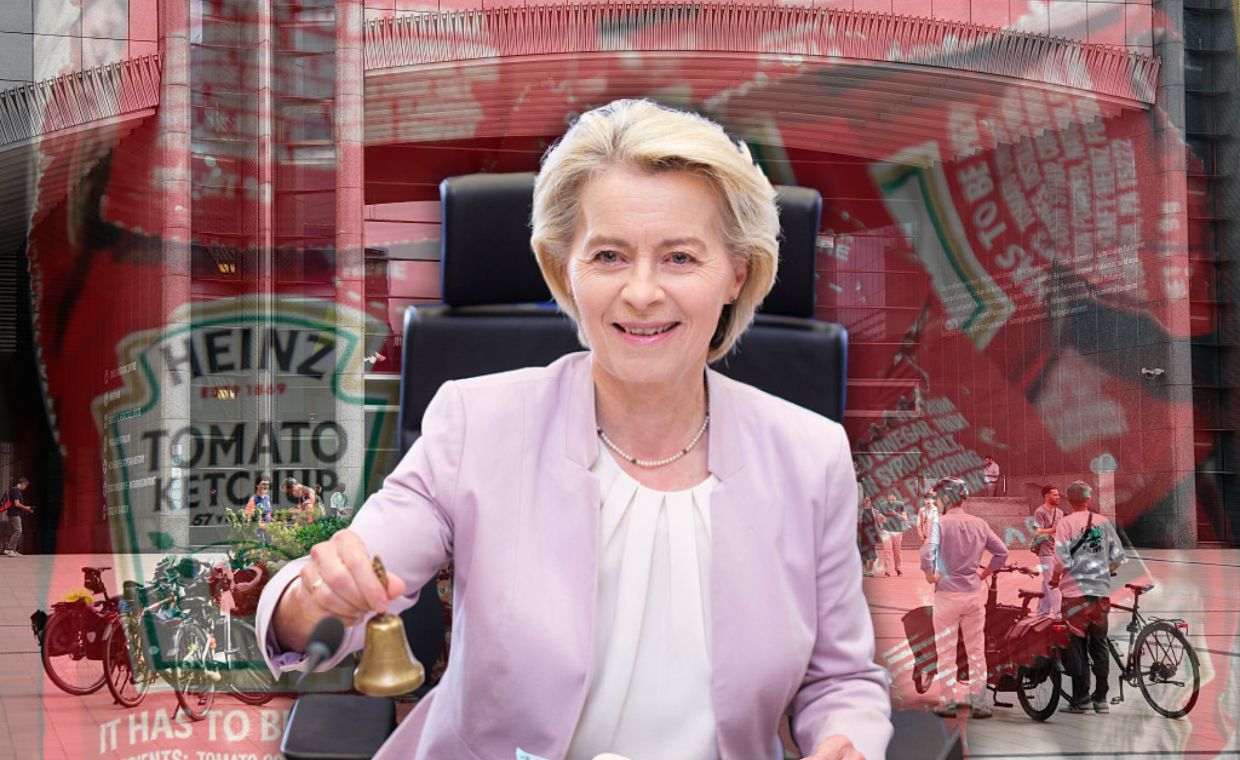
While environmental advocates point to the significant reduction in daily waste destined for regional landfills, industry representatives continue to assess the logistical hurdles of transitioning away from convenient single-use formats. The European Commission’s phased implementation plan gives businesses a multi-year window to adopt alternative distribution models before the strict bans on sachets and miniature toiletries take full legal effect by the end of the decade.
Worth a look