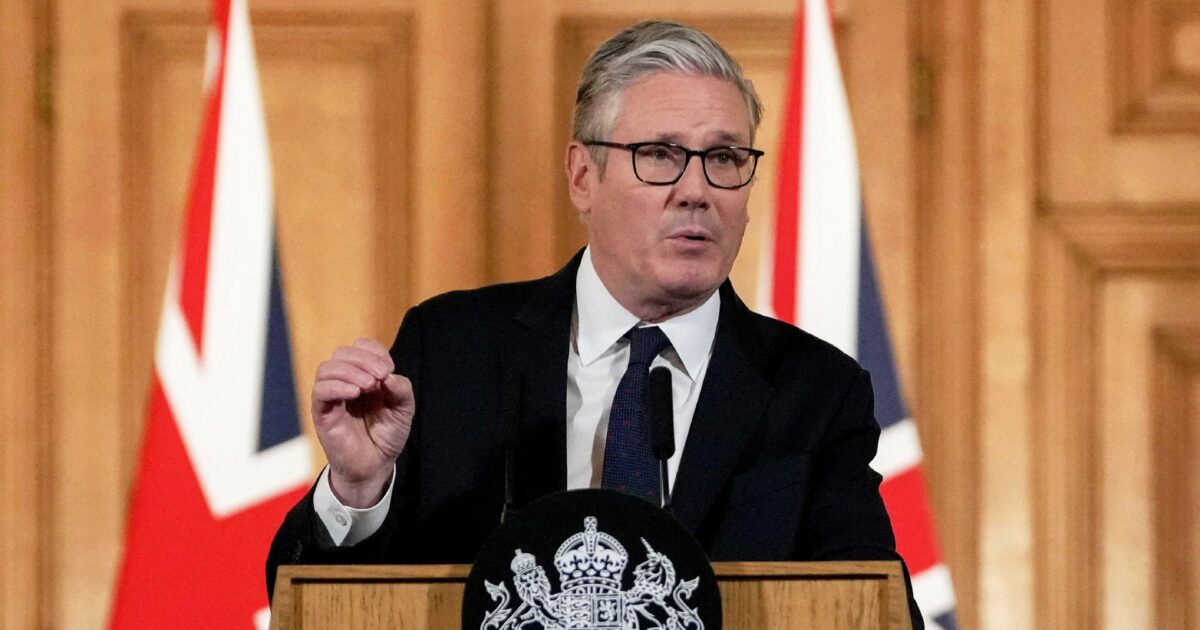
The UK government has proposed a sweeping ban on social media platforms for users under 16, marking a potential global shift in how digital safety is regulated. If implemented, the policy would require platforms like TikTok, Instagram, Snapchat, YouTube, Facebook, and X to either verify users’ ages at 16 or face fines and potential legal action. The move, announced by Prime Minister Keir Starmer’s administration, aims to address mounting concerns over mental health impacts, data privacy, and online safety for minors.
According to a statement from the UK Department for Culture, Media and Sport, the proposed law would mandate age verification for all social media accounts, with platforms responsible for enforcing the 16-year minimum. “Children should not be exposed to harmful content or predatory behavior online,” said a government spokesperson. “This law will give parents confidence that their children are protected while using social media.” The policy, expected to be introduced as part of the Online Safety Bill, has drawn both praise from child advocacy groups and criticism from tech companies and free speech advocates.
While the UK leads in proposing this restriction, similar debates are unfolding in other jurisdictions, including the European Union and the U.S. States like California have already passed laws requiring apps to obtain parental consent for users under 13. The UK’s approach, however, would be the first to set a uniform age threshold across all major platforms. Experts say the move could set a precedent for global digital regulation, particularly as concerns over AI-generated content and deepfake risks grow among younger audiences.
Why Is the UK Proposing This Ban?
The push for stricter social media age restrictions stems from years of research linking platform use to adverse mental health outcomes in adolescents. A 2023 study published in The Lancet found that teens spending more than three hours daily on social media were twice as likely to develop symptoms of anxiety and depression compared to their peers with limited use. The UK government cites these findings as justification for the policy, alongside reports of cyberbullying, grooming, and exposure to extremist content on unmoderated platforms.
“The evidence is clear: social media is having a harmful impact on young people’s mental health,” said Dr. Emma Thomas, a child psychologist at the University of Manchester. “While platforms claim to have safety tools, the reality is that many children bypass age restrictions or are exposed to content not intended for them.” The proposed law would also require platforms to implement stronger default privacy settings, such as disabling direct messaging for under-16s and restricting access to user data.
Critics argue that the ban could disproportionately affect lower-income families who may lack alternative entertainment options. A report by the UK’s Office for National Statistics highlighted that children from disadvantaged backgrounds are more likely to rely on free, ad-supported platforms like TikTok and YouTube for education and social connection. “This policy risks creating a digital divide,” said James Blake, a policy analyst at the NSPCC. “We need to ensure that all children have access to safe online spaces, not just those who can afford private alternatives.”
Which Platforms Are Affected?
The proposed restrictions would apply to all major social media platforms operating in the UK, including:
- Meta (Facebook, Instagram, Messenger)
- TikTok
- Snapchat
- YouTube (Google)
- X (Twitter)
- Discord and Reddit (for certain communities)
Platforms would be required to implement age verification systems, such as government-issued ID checks or biometric verification, to comply with the law. However, industry groups warn that such measures could lead to privacy concerns and technical challenges, particularly for younger teens who may not have access to valid identification.
TikTok, which has faced repeated scrutiny over its data practices and algorithmic amplification of harmful content, has not yet publicly commented on the proposal. In a statement to The Guardian, a company spokesperson emphasized its existing safety features, including parental controls and a 13-year minimum age policy in the UK. “We take the safety of young people seriously and are committed to working with governments to find solutions that protect children without restricting their access to information,” the statement read.
What Happens Next?
The Online Safety Bill, which includes the proposed age restriction, is currently undergoing parliamentary review. If passed, the law would give regulators—such as Ofcom, the UK’s communications watchdog—new powers to fine platforms up to £18 million ($23 million) or 10% of their global annual revenue for non-compliance. The government has set a target of 2025 for full implementation, though industry groups anticipate legal challenges and delays.
Meanwhile, the European Commission is also considering similar measures as part of its Digital Services Act. A leaked draft proposal from the EU suggests requiring platforms to verify users at 16, aligning with the UK’s approach. In the U.S., bipartisan support for the Kids Online Safety Act (KOSA) has grown, though no federal law has yet been enacted. The UK’s move could accelerate these efforts, particularly as lawmakers grapple with how to balance free expression with child protection in the digital age.
Key Takeaways
- Age threshold: The UK proposes raising the minimum age for social media use from 13 to 16.
- Platforms affected: TikTok, Instagram, Snapchat, YouTube, Facebook, and X would need to comply or face fines.
- Mental health link: Studies show increased anxiety and depression among teens with high social media use.
- Parental controls: Platforms would be required to disable direct messaging and restrict data collection for under-16s.
- Global impact: The UK’s move could influence similar laws in the EU and U.S.
- Implementation timeline: If passed, the law could take effect as early as 2025.
FAQ: What Parents and Teens Need to Know
The proposed law targets major platforms like TikTok, Instagram, and Snapchat, but smaller apps or gaming platforms with social features may also need to comply if they allow user-generated content or direct messaging. Regulators will likely clarify the scope as the bill progresses.
Platforms would need to implement age verification systems, potentially using government IDs, biometric checks (like facial recognition), or third-party services. Critics argue these methods could raise privacy concerns, particularly for younger teens. The UK government has not yet specified the exact verification methods.
Under the proposed law, platforms—not parents or teens—would be held accountable for enforcing age restrictions. If a user under 16 creates an account, the platform could face penalties for failing to prevent access. Parents may still need to monitor usage, as some teens may use fake birthdates or accounts linked to older siblings.