Brussels, Belgium – European Union foreign ministers convened in Brussels on Monday, March 16, 2026, to discuss a range of pressing international issues, with a significant focus on maintaining open passage through the Strait of Hormuz. The discussions included exploring the possibility of a United Nations-brokered agreement to ensure the vital waterway remains accessible amidst escalating regional tensions stemming from the ongoing conflict involving Iran, Israel, and the United States.
The Strait of Hormuz, a narrow passage connecting the Persian Gulf to the Gulf of Oman and the Arabian Sea, is critical for global energy supplies, facilitating a substantial portion of the world’s oil and liquefied natural gas (LNG) shipments. Recent hostilities have severely disrupted maritime traffic, with only Iranian oil currently being transported through the strait, according to reports. The EU is actively seeking a diplomatic solution to de-escalate the situation and restore safe passage for all vessels.
EU Seeks Diplomatic Solution Modeled After Ukraine Grain Deal
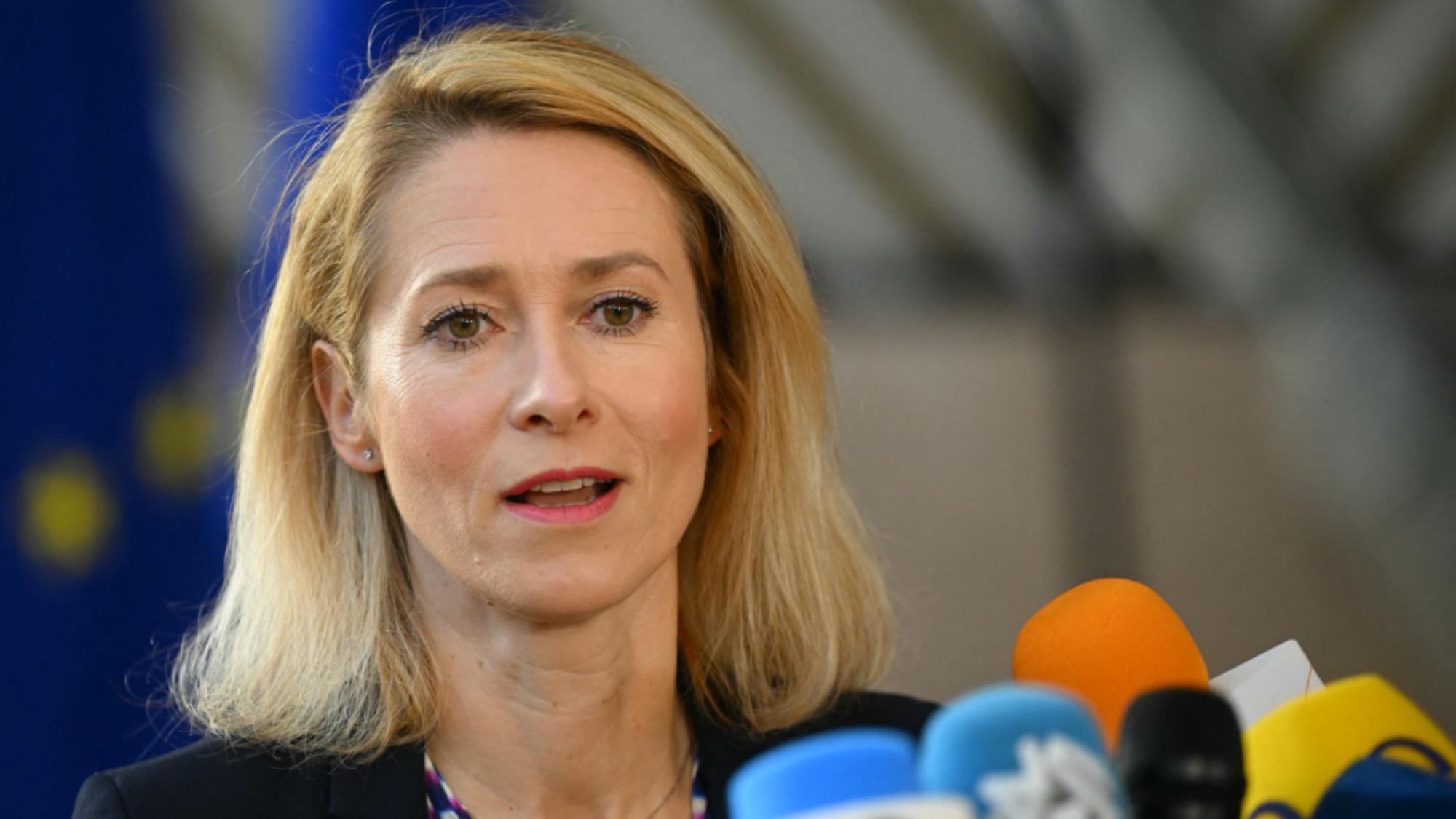
EU High Representative for Foreign Affairs and Security Policy, Kaja Kallas, emphasized the importance of keeping the Strait of Hormuz open, stating, “It is in our interest to keep the Strait of Hormuz open. We are too discussing what we can do from the European side in this regard.” SN.at reported that Kallas revealed she had consulted with UN Secretary-General António Guterres regarding a potential initiative for the Strait of Hormuz, drawing inspiration from the Black Sea Grain Initiative established during the war in Ukraine.
The Black Sea Grain Initiative, brokered by the UN and Turkey in 2022, allowed for the safe export of Ukrainian grain despite the ongoing conflict with Russia. Both Russia and Ukraine agreed under UN supervision not to target grain transport vessels. In 2025, further agreements were reached, with US mediation, to exclude civilian shipping from combat zones. The EU is hoping to replicate this model to secure safe passage through the Strait of Hormuz. Kallas suggested that a similar framework could be implemented in the Gulf region, ensuring the continued flow of vital energy resources.
Austrian Foreign Minister Beate Meinl-Reisinger echoed Kallas’s sentiments, describing the reopening of the Strait of Hormuz as a “common, if not global, concern.” She highlighted the demand for de-escalation and a return to diplomacy and political solutions, specifically focusing on securing free passage through the strait. According to SN.at, Meinl-Reisinger stressed the importance of finding a way to “de-escalate now, to return to diplomacy and political solutions, also in the question of free passage in the Strait of Hormuz.”
Skepticism Regarding a NATO Mission
While the EU is prioritizing a UN-led diplomatic solution, the possibility of a NATO-led military mission to secure the Strait of Hormuz has been met with skepticism. German Foreign Minister Johann Wadephul expressed doubts about the feasibility and effectiveness of such a mission. SN.at reported Wadephul’s reservations, suggesting a preference for diplomatic channels over military intervention.
This approach contrasts with previous calls from the United States for increased military presence in the region. In the past, US President Donald Trump urged other nations to contribute warships to safeguard shipping lanes through the strait. As ORF.at noted, the EU is pursuing a different path, one rooted in diplomatic negotiation rather than military force.
Iran’s Position and US Response
Iran’s Foreign Minister Abbas Araktschi stated that vessels belonging to countries not involved in the conflict would be permitted to pass through the Strait of Hormuz. He asserted that the strait was closed only to adversaries of the Islamic Republic and their supporters. However, the veracity of this claim remains uncertain. US Defense Secretary Pete Hegseth deemed the Iranian announcement “okay,” but its practical implementation and adherence to the stated policy remain to be seen.
The current disruption to shipping in the Strait of Hormuz has significant implications for the global economy, particularly for countries reliant on Middle Eastern oil and gas supplies. The EU’s efforts to secure a UN-brokered agreement represent a crucial attempt to mitigate these risks and ensure the stability of global energy markets. The situation is further complicated by the ongoing conflict between the US and Israel against Iran, which has heightened tensions and increased the potential for further escalation.
The Importance of the Strait of Hormuz
The Strait of Hormuz is one of the world’s most strategically important chokepoints. Approximately 21% of global oil consumption passes through the strait daily, according to the U.S. Energy Information Administration (EIA). The EIA estimates that roughly 20.5 million barrels of oil and other liquids transited the Strait of Hormuz each day in 2023. Disruptions to this flow can have a cascading effect on energy prices and global economic stability.
Beyond oil, the Strait of Hormuz is also a key transit route for LNG, petrochemicals, and other vital commodities. Its closure or significant restriction would necessitate costly and time-consuming alternative routes, potentially leading to supply shortages and economic hardship.
Next Steps and Ongoing Negotiations
The EU foreign ministers’ meeting in Brussels marks a critical step in the ongoing efforts to address the crisis in the Strait of Hormuz. The focus now shifts to securing support from the UN and engaging in direct negotiations with Iran to establish a framework for safe passage. The success of these efforts will depend on the willingness of all parties to prioritize diplomacy and de-escalation.
Further discussions are expected to grab place at the United Nations in the coming weeks, with Kallas and Guterres continuing to explore the feasibility of a UN-led initiative. The EU is also likely to engage in bilateral discussions with key regional actors to build consensus and foster a collaborative approach to resolving the crisis.
The situation remains fluid and unpredictable. The next key development to watch for will be the outcome of the ongoing consultations between the EU, the UN, and Iran, and whether a concrete agreement can be reached to ensure the safe and unimpeded passage of vessels through the Strait of Hormuz. The international community will be closely monitoring these developments, as the stability of global energy supplies and the health of the global economy hang in the balance.
What are your thoughts on the EU’s approach to the Strait of Hormuz? Share your comments below and join the conversation.
Keep reading