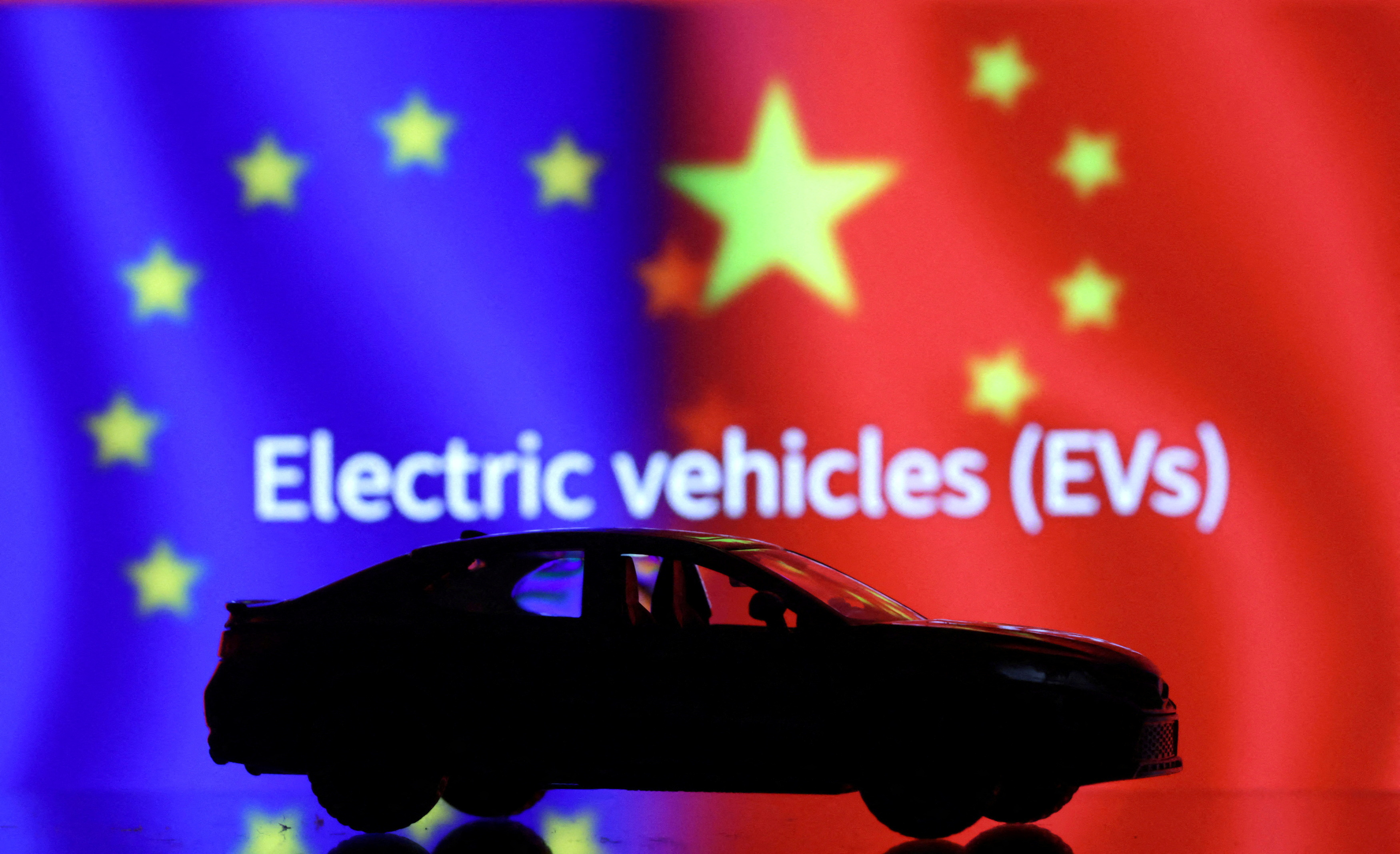
European Union decision-makers are prioritizing diplomatic negotiations with Beijing to avert a broad trade conflict, following concerns over potential Chinese economic retaliation. This strategy seeks to manage the impact of EU anti-subsidy investigations into Chinese electric vehicles (EVs) while protecting European agricultural and automotive sectors from targeted counter-measures. By opting for dialogue over immediate, aggressive trade barriers, Brussels aims to implement a “de-risking” policy rather than a full “decoupling” from the Chinese economy.
The European Commission has recently moved to balance its commitment to fair competition with the necessity of maintaining stable trade relations with its second-largest trading partner. While the EU has initiated several anti-subsidy probes, the reluctance to escalate into a full-scale trade war stems from the high degree of economic interdependence between the two blocs. Officials in Brussels have expressed a preference for structured communication to prevent a cycle of retaliatory tariffs that could destabilize global markets and hurt European exporters.
This cautious approach comes as tensions rise over the influx of low-cost Chinese manufactured goods into the European market. The European Commission’s recent decisions regarding electric vehicles have served as a primary flashpoint, prompting Beijing to signal its readiness to defend its interests through its own regulatory and trade mechanisms.
Why is the European Union opting for dialogue over escalation?
The primary driver behind the EU’s preference for negotiation is the fear of “asymmetric retaliation.” Unlike the United States, which has adopted a more confrontational stance regarding Chinese industrial policy, the European Union maintains a complex web of supply chains and consumer markets that are deeply integrated with China. According to reports from Reuters, EU leaders are wary that aggressive trade actions could trigger Chinese responses that disproportionately affect vulnerable European industries.
Central to this cautious stance is the concept of “de-risking.” This policy, championed by European Commission President Ursula von der Leyen, differs fundamentally from “decoupling.” While decoupling implies a complete severance of economic ties, de-risking focuses on reducing dependencies in critical sectors—such as semiconductors, critical minerals, and green technology—without dismantling the broader commercial relationship. The goal is to protect European economic security without inducing a massive shock to the Eurozone’s GDP.
Furthermore, the internal politics of the European Union play a significant role in the delay of more aggressive measures. The bloc operates on consensus and shared economic interests, and member states hold widely varying views on how to handle Beijing. Countries with large manufacturing bases that export heavily to China, such as Germany, have historically advocated for a more measured approach to avoid losing market access for their own products.
What are the specific risks of Chinese retaliation?
The threat of retaliation is not theoretical; Beijing has already begun utilizing its trade tools to signal its displeasure with EU policies. The Chinese Ministry of Commerce has initiated several anti-dumping investigations that target specific European exports. These investigations are viewed by many trade analysts as direct responses to the EU’s scrutiny of Chinese industrial subsidies.
Brussels is particularly concerned about the following sectors:
- Agricultural Products: China is a major market for European pork and dairy. An escalation in trade tensions could lead to prohibitive tariffs on these goods, devastating farmers in countries like Spain, Denmark, and France.
- The Automotive Industry: While the EU is investigating Chinese EVs, German automakers rely heavily on China for both manufacturing components and high-end vehicle sales. A retaliatory move against luxury European cars would strike at the heart of the EU’s industrial core.
- Luxury Goods and Spirits: China’s recent moves to investigate European brandy and cognac imports demonstrate a willingness to target high-profile, culturally significant exports to exert political pressure.
- Critical Raw Materials: As Europe transitions to a green economy, it remains heavily dependent on China for processed minerals required for batteries and renewable energy infrastructure. China could potentially restrict these exports as a form of economic leverage.
The potential for a “tit-for-tat” tariff cycle creates a high-stakes environment for European policymakers. If the EU imposes tariffs on Chinese EVs, and China responds with tariffs on European pork, the resulting trade war could lead to increased costs for consumers and reduced profitability for European producers across multiple sectors.
How do de-risking and decoupling differ in EU policy?
To understand the current hesitation in Brussels, it is necessary to distinguish between the two primary strategic frameworks being discussed in international trade circles. The following table outlines the core differences between the approach favored by the European Union and the more aggressive approach often associated with other global powers.
| Feature | De-risking (EU Approach) | Decoupling (Aggressive Approach) |
|---|---|---|
| Primary Objective | Reducing vulnerabilities in critical sectors. | Severing economic ties with a rival power. |
| Scope of Action | Targeted; focused on specific technologies and minerals. | Broad; affecting most sectors of the economy. |
| Economic Impact | Managed; seeks to maintain overall market stability. | High; risks significant supply chain disruption and inflation. |
| Diplomatic Tone | Cooperative but firm; emphasizes dialogue. | Confrontational; emphasizes competition and security. |
| Supply Chain Strategy | Diversifying sources to avoid single-country reliance. | Relocating entire industries to domestic or allied soil. |
The role of the electric vehicle (EV) dispute
The most immediate catalyst for the current tension is the European Commission’s investigation into Chinese subsidies for electric vehicles. The Commission has alleged that Chinese manufacturers benefit from unfair state support, allowing them to sell EVs in Europe at prices that undercut local producers. This has led to the implementation of provisional countervailing duties on certain Chinese-made EVs.

This move has placed the EU in a difficult position. On one hand, the Commission must ensure a level playing field for European automakers, who are investing billions to transition to electric fleets. On the other hand, the EU’s climate goals depend on the rapid and affordable adoption of electric vehicles. If tariffs make EVs too expensive for European consumers, the bloc may struggle to meet its carbon reduction targets set under the European Green Deal.
The tension is further complicated by the fact that many European car manufacturers have significant operations and joint ventures within China. This creates a conflict of interest where protecting the domestic market might simultaneously damage the global competitiveness of the very companies the EU seeks to defend. Consequently, Brussels is attempting to use the current period of investigation to negotiate a settlement that might include price undertakings from Chinese firms, rather than relying solely on permanent tariffs.
What happens next for EU-China trade relations?
The trajectory of EU-China trade relations will depend on the outcome of ongoing investigations and the willingness of both sides to reach a negotiated settlement. Rather than moving toward an immediate trade war, the immediate future is likely to be characterized by continued regulatory scrutiny and intense diplomatic maneuvering.
Key developments to watch include:
- The conclusion of the EV anti-subsidy probe: The final decision on definitive tariffs will be a major indicator of the EU’s level of commitment to its current trade stance.
- The outcome of Chinese anti-dumping investigations: If China moves from investigations to actual tariffs on European agriculture or luxury goods, the EU will face significant pressure to respond.
- High-level diplomatic summits: Scheduled meetings between EU and Chinese officials will serve as critical venues for testing the “de-risking” strategy and attempting to establish “guardrails” to prevent accidental escalation.
- Developments in critical mineral supply chains: Any shift in China’s export controls on minerals like gallium, germanium, or graphite will necessitate rapid policy adjustments from Brussels.
For businesses and investors, the current environment requires a focus on supply chain resilience and monitoring the regulatory shifts coming out of both Brussels and Beijing. The EU’s strategy of “de-risking” suggests that while the era of unbridled globalization with China may be shifting, the economic ties between the two regions remain too substantial to be easily broken.
Next Scheduled Checkpoint: The European Commission is expected to provide updated findings on its ongoing trade investigations in the coming months, which will determine the timeline for potential definitive duties.
Have thoughts on the EU’s trade strategy? Share this article and join the conversation in the comments below.
Keep reading