
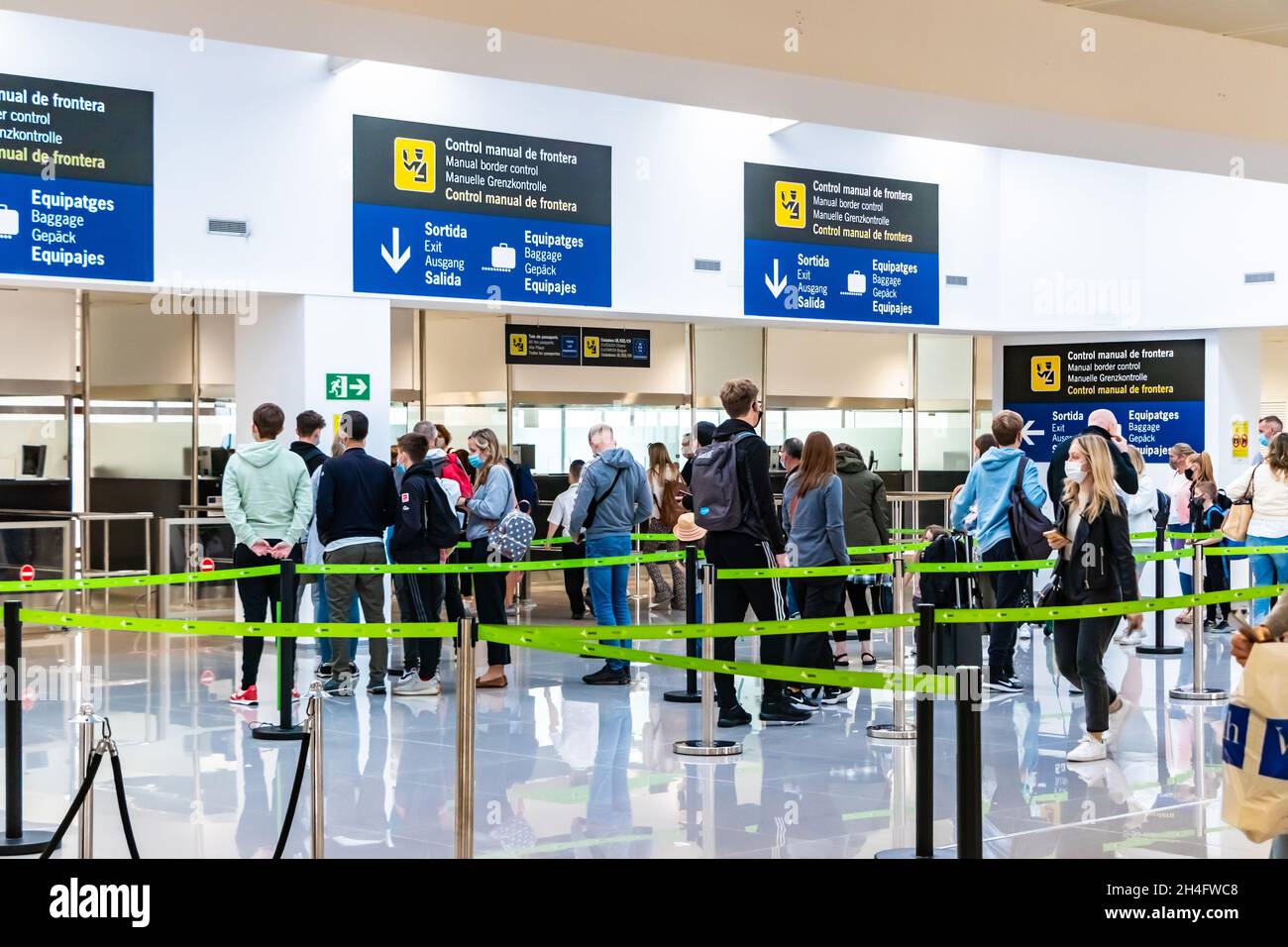
Sofia, Bulgaria — May 14, 2026 — The European Union’s new Entry-Exit System (EES) has become a flashpoint for travelers and airlines alike, with processing delays now stretching up to three hours at major airports—four to five times longer than the system’s official 70-second target. As summer travel season approaches, the EES, designed to strengthen border security by collecting biometric data from non-EU visitors, is instead creating bottlenecks that threaten to derail Europe’s busiest travel period.
The system, which fully launched in December 2025, requires fingerprint and facial recognition scans alongside passport verification for visitors from countries outside the Schengen Zone, including the United Kingdom and Brazil. While the European Commission maintains that the average processing time per passenger is 70 seconds, airport operators and airlines report that delays now routinely exceed five minutes per traveler, with some airports experiencing wait times of up to three hours during peak periods. The Airports Council International (ACI Europe) has warned that the situation could become “simply unmanageable” as passenger volumes surge over the coming weeks.
This crisis is forcing some European countries to take extraordinary measures. Greece has temporarily exempted British travelers from the EES requirements at its airports, while Italy’s Ryanair has publicly called for the system’s suspension until September. The European Commission, however, has refused to back down, insisting that the EES remains a critical security measure for monitoring visitor compliance within the Schengen Area.
Note: The following embeds are preserved from original reporting:
🚨 BREAKING: EES system delays now averaging 3 hours at major European airports. Airlines warn of cancellations and stranded passengers as summer season approaches. #Travel #EES #Europe
Why Is the EES Causing Such Chaos?
The EES was introduced to replace the outdated manual stamp system with an automated biometric verification process. While the technology itself has been tested, its implementation has exposed critical operational gaps. Key challenges include:
- Insufficient infrastructure: Many airports lack the necessary hardware or staff training to handle the increased processing requirements.
- Technical glitches: Reports indicate software bugs and connectivity issues, particularly at smaller airports.
- Staff shortages: Border control agencies are struggling to hire and train enough personnel to operate the new system efficiently.
- Peak season timing: The system’s full rollout coincides with Europe’s busiest travel period, exacerbating existing capacity constraints.
According to the European Commission, the EES was designed to reduce processing times and improve security by automating data collection. However, the reality on the ground paints a different picture. “The system is not failing—It’s being overwhelmed by the volume of travelers and the lack of preparation at airport level,” said Olivier Jankovec, Director General of ACI Europe, in a statement to Panrotas.
Which Countries and Airlines Are Most Affected?
The EES disruptions are being felt most acutely in countries with high tourist inflows, particularly those reliant on air travel. Affected nations include:
- France: Paris Charles de Gaulle and Orly airports have reported delays exceeding two hours during morning rush periods.
- Germany: Munich and Frankfurt airports have seen similar bottlenecks, with German officials acknowledging “operational challenges” in implementing the new system.
- Italy: Milan’s Malpensa and Rome’s Fiumicino airports have experienced significant disruptions, leading Ryanair to urge a temporary suspension.
- Spain and Greece: Both countries have introduced temporary exemptions for British travelers to alleviate pressure on their airports.
Airlines operating in these regions are particularly vulnerable. Low-cost carriers like Ryanair, which relies on tight turnaround times, have been among the most vocal critics. In a statement, Ryanair CEO Michael O’Leary warned that the current delays risk “stranding thousands of passengers” and called for an immediate review of the system’s implementation.
What Happens Next? The EU’s Response and Traveler Advice
The European Commission has maintained that the EES is a permanent fixture and that the current challenges are temporary. However, internal documents obtained by Euronews suggest that officials are quietly exploring short-term solutions, including:
- Increased staffing at high-traffic airports.
- Extended operating hours for EES kiosks.
- Potential exemptions for specific nationalities during peak periods.
For travelers, the advice remains to:
- Arrive at airports at least four hours before departure to account for potential delays.
- Check the latest updates from your airline and the European Commission’s Schengen Information System.
- Ensure all travel documents, including passports and EES registration confirmations, are readily available.
- Monitor announcements from your destination country, as some nations may introduce temporary exemptions.
Key Takeaways: What Travelers Need to Know
- The EES is causing unprecedented delays at European airports, with wait times now averaging up to three hours in some cases.
- Countries like Greece and Italy have introduced temporary exemptions for British travelers to ease pressure.
- Airlines, particularly low-cost carriers, are urging the EU to address the issue before summer travel peaks.
- The European Commission insists the system is necessary for security but acknowledges operational challenges.
- Travelers should plan extra time for airport procedures and monitor official updates closely.
Looking Ahead: Will the EES Be Suspended?
As of May 14, 2026, there is no indication that the European Commission will suspend the EES entirely. However, the pressure from airlines, airport operators and affected governments is growing. The next critical checkpoint will be the June 1 EU Transport Council meeting, where officials are expected to discuss potential adjustments to the system’s implementation. Travelers planning trips to Europe in the coming months should:
- Stay informed about any country-specific exemptions or updates.
- Consider alternative travel routes if delays are expected at your departure airport.
- Prepare for potential disruptions by arriving early and having all necessary documentation ready.
The EES crisis underscores the challenges of modernizing border security in an era of high mobility. While the system’s long-term goals—enhanced security and streamlined processing—remain valid, its current implementation has exposed critical gaps. As summer approaches, the EU faces a pivotal decision: will it double down on the EES despite the chaos, or will it introduce temporary measures to prevent a full-blown travel meltdown?
What are your experiences with the EES? Have you encountered delays at European airports? Share your stories in the comments below or on our social media channels. For the latest updates on travel advisories and system changes, bookmark the European Commission’s Schengen Border page.
- Trump Compares Spain Floods to a Foreign Invasion on Truth Social
- EU’s New Customs Rules May Fail to Stop Chinese Parcel Flood as Tax Loopholes Emerge
- Judge Delays Trump’s Financial Records Handover to BBC (archyde.com)
- Christopher Luxon Proposes New Zealand Referendum on MMP Voting System (archyworldys.com)