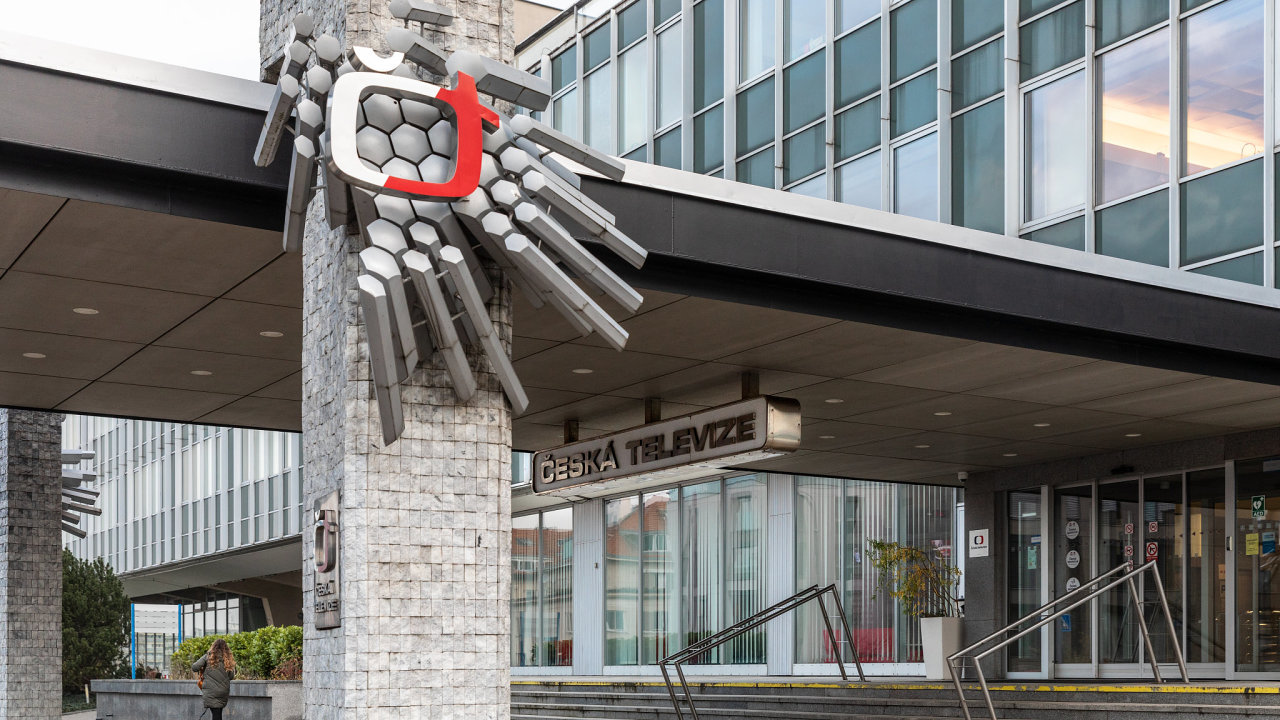
Prague, Czech Republic – Concerns are mounting over potential clashes between the Czech government’s plans to overhaul public service broadcasting funding and European Union regulations. A legal challenge, initiated by an unnamed but influential French lawyer, has been lodged with the European Commission, alleging that recent increases to the Czech public broadcasting fee may violate EU rules regarding state aid. The move comes as the Czech coalition government pushes forward with proposals to abolish the current fee-based system altogether, sparking debate about the future of independent journalism in the country.
The core of the dispute centers around a recent increase in the Czech public broadcasting fee, which funds both Czech Television (ČT) and Czech Radio (ČRo). The lawyer, whose client remains anonymous, argues that the fee increase constitutes a form of state aid, requiring notification to the European Commission prior to implementation. Failure to do so, they contend, could lead to legal repercussions for the Czech Republic, potentially including the obligation to refund the collected funds. This challenge adds another layer of complexity to the already contentious debate surrounding the government’s efforts to restructure public broadcasting finances.
Background to the Funding Debate
For years, the Czech Republic has relied on a household fee – currently 180 Czech Koruna (approximately €7.50) per month – to finance its public broadcasters. However, collection rates have been persistently low, with a significant number of citizens failing to pay the fee. The European Commission plays a role in ensuring fair competition and adherence to EU rules within member states, including regulations concerning state aid and the internal market. The current government, a coalition led by Prime Minister Petr Fiala, views the fee as outdated and inefficient, and has proposed alternative funding models, including direct budgetary allocations. This shift, however, raises concerns about potential political interference and the independence of public service media.
The proposed abolition of the fee and replacement with direct state funding has been met with resistance from opposition parties and media watchdogs, who fear it could compromise the editorial independence of ČT and ČRo. Critics argue that direct funding makes the broadcasters more vulnerable to government pressure, potentially leading to biased reporting and a decline in journalistic standards. The government maintains that safeguards will be put in place to ensure editorial independence, but these assurances have failed to quell the concerns of many stakeholders.
European Commission Scrutiny
The legal challenge brought forward by the French lawyer has now brought the issue to the attention of the European Commission. According to reporting by Hospodářské noviny, the Commission is currently assessing whether the recent increase in the public broadcasting fee complied with EU regulations. The key question is whether the fee increase can be considered a legitimate revenue source for public broadcasters or whether it constitutes unlawful state aid.
The concept of state aid within the EU framework is carefully defined. It generally refers to any form of financial assistance provided by a member state that distorts competition or threatens the single market. Public broadcasting funding can fall under this definition if It’s deemed to provide an unfair advantage to the broadcasters over their commercial competitors. If the European Commission determines that the fee increase did constitute unlawful state aid, the Czech Republic could face significant financial penalties and be required to rectify the situation.
Potential Consequences for the Czech Republic
The potential ramifications of an adverse ruling from the European Commission are substantial. Beyond the financial implications of potentially having to refund the collected fees, the Czech Republic could also face broader scrutiny of its public broadcasting funding model. The Commission could demand changes to the way ČT and ČRo are financed, potentially forcing the government to reconsider its plans to abolish the fee-based system.
According to Svetkreativity.cz, the situation could escalate into a full-blown legal battle if the Czech Republic refuses to comply with the Commission’s demands. This could further damage the country’s reputation and undermine its commitment to upholding EU law. The outcome of the Commission’s assessment will likely have a significant impact on the future of public service media in the Czech Republic and could set a precedent for other member states facing similar challenges.
Government Response and Ongoing Debate
The Czech Ministry of Culture has attempted to downplay the concerns raised by the French lawyer, asserting that the fee increase is fully compliant with EU regulations. Michal Šašek, a deputy minister, stated that the ministry had consulted with European institutions prior to enacting the changes and that no issues were identified. However, this claim has been met with skepticism by opposition politicians and legal experts, who argue that the government failed to adequately address the potential implications of the fee increase under EU state aid rules.
The debate over public broadcasting funding is also intertwined with broader political tensions within the Czech Republic. The current government has been critical of what it perceives as bias in the reporting of ČT and ČRo, accusing the broadcasters of favoring the previous administration. This has fueled the government’s determination to reform the funding system and ensure greater accountability. However, critics argue that these efforts are merely a pretext for exerting greater control over public service media and silencing dissenting voices.
The Role of the Senate and Opposition
The Czech Senate has also become involved in the debate, with some senators expressing concerns about the government’s approach. They have called for greater transparency and a thorough assessment of the potential legal risks associated with the fee increase. Opposition parties have seized on the issue, accusing the government of recklessness and a disregard for EU law. They have demanded answers from the Ministry of Culture and called for a parliamentary inquiry into the matter.
The situation remains fluid, with the European Commission’s assessment expected to take several months. In the meantime, the Czech government is continuing to push forward with its plans to reform public broadcasting funding, despite the looming threat of legal challenges. The outcome of this dispute will have far-reaching consequences for the future of independent journalism and media pluralism in the Czech Republic.
Key Takeaways
- A legal challenge has been filed with the European Commission alleging that a recent increase in the Czech public broadcasting fee may violate EU state aid rules.
- The Czech government is attempting to abolish the current fee-based funding system for public broadcasters and replace it with direct state funding.
- Concerns have been raised about the potential for political interference and a compromise of editorial independence if public broadcasters become directly reliant on government funding.
- The European Commission is currently assessing whether the fee increase complied with EU regulations, and its decision could have significant implications for the Czech Republic.
The next key development will be the European Commission’s official response to the legal challenge, which is anticipated in the coming months. Stakeholders are closely monitoring the situation for any indication of the Commission’s stance. Readers can stay updated on this developing story through the official website of the European Commission and through ongoing reporting from reputable news sources. We encourage readers to share their thoughts and perspectives on this important issue in the comments section below.
Keep reading