
The European Commission has recently intensified its scrutiny of major e-commerce platforms, placing significant regulatory pressure on the Chinese-owned marketplace Temu. As digital trade continues to reshape global retail, the intersection of consumer protection laws and rapidly scaling international platforms has become a focal point for European Union regulators. This development marks a critical juncture in the enforcement of the bloc’s Digital Services Act (DSA), a landmark piece of legislation designed to ensure safer online environments for all European citizens.
While reports have circulated regarding potential financial penalties in the range of 200 million euros, it is essential to clarify the current regulatory status of these proceedings. Under the Digital Services Act (DSA), the European Commission holds the authority to impose fines of up to 6% of a platform’s total global annual turnover for non-compliance. These enforcement mechanisms are specifically triggered when platforms fail to mitigate systemic risks, such as the sale of illegal or unsafe products, which directly threaten the health and safety of consumers across the European Single Market.
The core of the European Commission’s investigation into Temu revolves around allegations that the platform has not sufficiently curbed the proliferation of non-compliant goods. This includes items that fail to meet stringent EU safety standards, such as certain toys, electrical components, and health-related products. For consumers and market analysts alike, this situation underscores the growing tension between the convenience of global e-commerce and the rigorous safety protocols mandated by EU oversight bodies.
The Regulatory Framework: Understanding the Digital Services Act
The Digital Services Act stands as the cornerstone of the European Union’s strategy to regulate the digital economy. It imposes strict obligations on “Very Large Online Platforms” (VLOPs) to implement robust systems for content moderation, transparency, and product safety. According to the official European Commission guidelines, platforms are required to act swiftly to remove illegal goods and prevent their reappearance. The ongoing scrutiny of Temu is a direct application of these powers, aimed at ensuring that international companies operating within the EU adhere to the same safety standards as domestic retailers.
The concern for regulators is twofold: the speed at which illicit products can reach the market through automated supply chains and the difficulty in enforcing safety recalls across borders. When a platform is designated as a VLOP, the burden of proof shifts. The entity must demonstrate that it has implemented effective “notice and action” mechanisms, allowing authorities and consumers to report unsafe products with ease. Failure to maintain these safeguards can lead to significant financial consequences, reflecting the severity with which the Commission views potential risks to public health.
Consumer Safety and Market Impact
For the average shopper, the influx of low-cost goods from global marketplaces offers unprecedented variety. However, the potential for counterfeit or hazardous items—ranging from substandard electrical chargers that pose fire risks to toys containing restricted chemical substances—remains a persistent issue. The European Commission has been actively coordinating with national market surveillance authorities to enhance the detection of such products. This collaboration is vital for maintaining the integrity of the single market, as unsafe goods identified in one member state can often be traced back to a centralized distribution point or platform.
Industry experts emphasize that the current situation with Temu serves as a broader bellwether for the future of cross-border retail. As the Commission continues its investigation, the focus will likely remain on the efficacy of Temu’s internal algorithms and its cooperation with regulatory authorities. Any potential fine, should it be finalized, would serve as a clear signal that the EU is committed to holding digital marketplaces accountable, regardless of their country of origin or business model.
What Lies Ahead: Compliance and Oversight
The investigation into Temu is far from concluded. The European Commission’s process involves a formal gathering of evidence, opportunities for the platform to respond to findings, and, if necessary, a final ruling on penalties. As the situation evolves, stakeholders are closely monitoring official statements from the Commission regarding its next steps in the formal proceedings. For consumers, the best course of action remains vigilance: checking for CE markings on products, reviewing seller ratings, and being wary of items that seem priced significantly below market value, as these are often indicators of non-compliance.
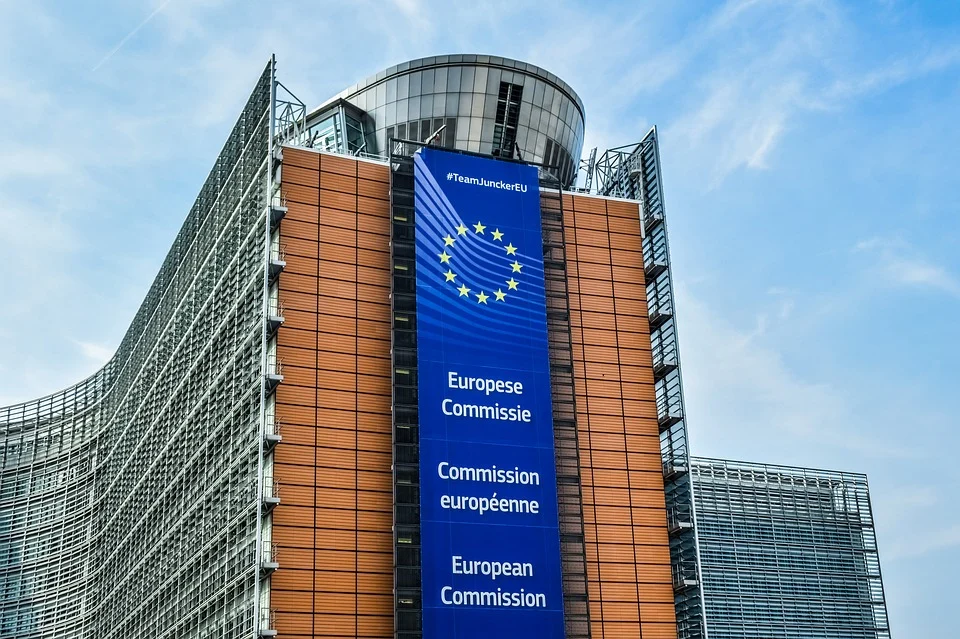
Regulatory bodies have urged users to report any suspicious or unsafe products through national portals, which feed directly into the EU’s safety databases. These reports are instrumental in helping the Commission build a comprehensive picture of the risks present on various platforms. As we move forward, the transparency of this process will be paramount in maintaining consumer trust in the digital marketplace.
We will continue to monitor the proceedings and provide updates as the European Commission releases further information regarding its enforcement actions. We encourage our readers to share their thoughts on the balance between digital trade innovation and consumer safety in the comments section below. Your insights help us maintain a robust dialogue on the evolving landscape of global economic policy.
Related reading