
EU Commission Faces Legal Challenge Over Scrapped Nutrition Label Plans
The european Commission is facing increasing scrutiny over its decision to abandon plans for a mandatory, pan-European front-of-packet nutrition labeling system. This move, initially part of the enterprising Farm to Fork Strategy launched in 2020, aimed to provide consumers with clear, standardized nutritional data. Now, two advocacy groups are taking the commission to court, alleging a lack of transparency surrounding the decision.
A Fight for Transparency
Access info and foodwatch International have jointly filed a case with the EU General Court. They are challenging the Commission’s refusal to disclose key documents related to the shelving of the nutrition labeling proposal. specifically, they requested access to the internal Impact Assessment, the Regulatory Scrutiny board’s Opinion, and minutes from relevant meetings.
The Commission justified its decision to withhold the information by claiming that disclosure would invite external pressure and undermine ongoing decision-making. However, this reasoning has already been deemed insufficient. The European Ombudsman concluded that the Commission’s refusal constituted maladministration.
Why This Matters to You
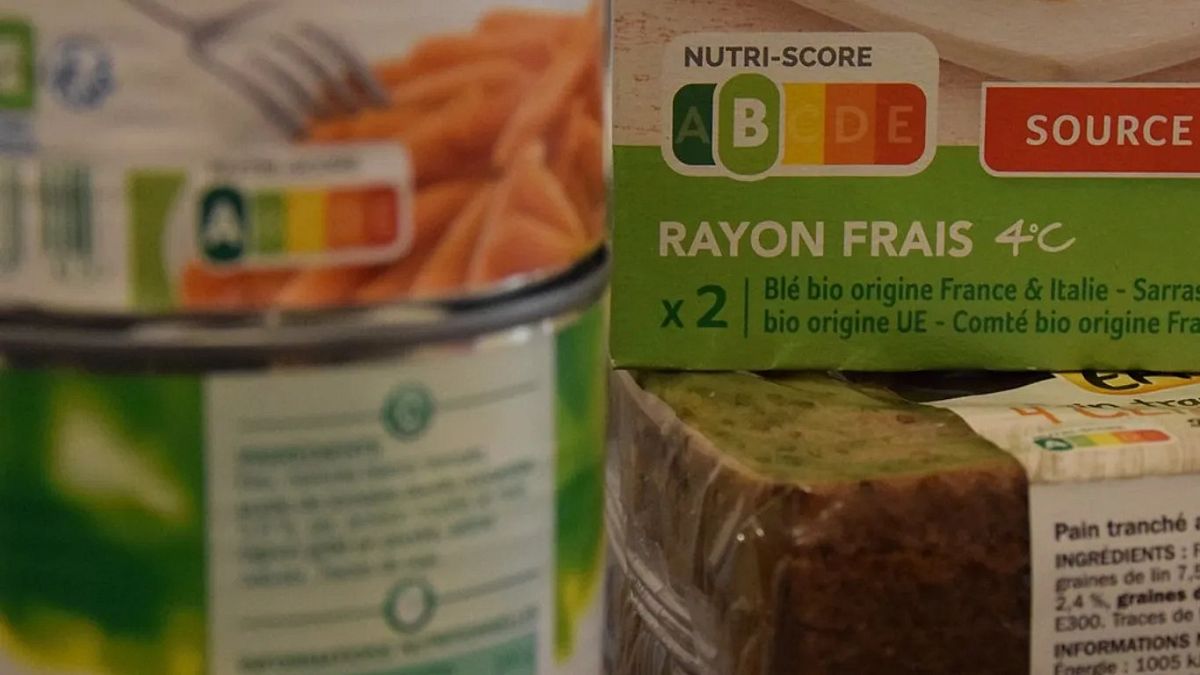
As a consumer, you deserve to easily understand the nutritional content of the food you buy. A harmonized, front-of-packet labeling system – like the Nutri-Score – would empower you to make informed choices about your diet and health. Suzy Sumner, head of foodwatch International’s Brussels office, emphasizes that half a billion European consumers have a right to this information “at a glance.”
The Documents at the Heart of the dispute
The requested documents are crucial for understanding the factors that led to the proposal’s withdrawal. Here’s a breakdown of what Access Info and foodwatch International are seeking:
* Impact Assessment: This document details the potential economic, social, and environmental consequences of the proposed labeling system.
* Regulatory Scrutiny Board Opinion: this provides an independent review of the proposal’s quality and coherence.
* Meeting Minutes: These records would reveal the discussions and considerations that took place during the legislative process.
Legal Precedent & A Pattern of Secrecy
According to Carlos Cordero, President of Access Info, documents related to legislation should be subject to the highest level of transparency. he argues that the Commission has not applied this principle to the Nutri-Score documents. This case builds on a growing concern about transparency within the Commission.
Earlier this year, the EU’s top court overturned the Commission’s attempt to block access to communications between President Ursula von der Leyen and Pfizer CEO Albert Bourla regarding COVID-19 vaccine contracts. This ruling, often referred to as “Pfizergate,” was a significant victory for transparency advocates.
What’s Next?
This latest legal challenge represents a new chapter in the ongoing debate over openness and accountability within the European Commission.The outcome of this case could set a crucial precedent for future access to information requests. It will determine whether the Commission can continue to operate with a degree of secrecy that undermines public trust and hinders informed decision-making.
Ultimately, this fight isn’t just about a nutrition label. It’s about your right to know what’s in your food and how decisions affecting your health are made.


