
EU Driving Regulations: what the New Rules Mean for You
Recent changes to European Union driving regulations aim to significantly improve road safety adn work towards the ambitious goal of zero road deaths by 2050. These updates, adopted by the European Parliament in October, will impact drivers across all member states, particularly regarding license renewals and potential medical assessments. Let’s break down what you need to know.
A Shift in License Validity
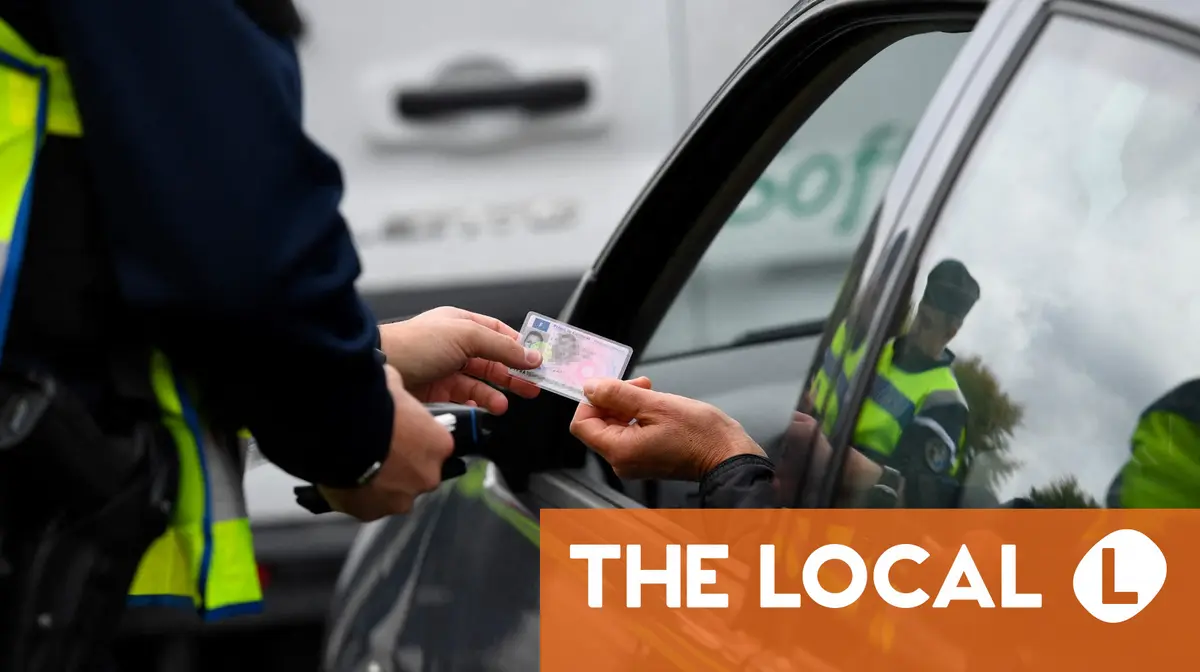
Currently, many EU countries issue driving licenses that are valid for life. This practice is ending. The new regulations stipulate that all EU-issued driving licenses will now be valid for a maximum of 15 years.
After this period, you will need to renew your license.This renewal process is where the biggest changes – and potential variations - come into play.
Medical Assessments: A National Decision
The EU is encouraging member states to incorporate a medical examination as part of the license renewal process. However, the final decision on how licenses are renewed rests with each individual country.
This means you might face a medical exam, a self-assessment form, or another type of evaluation depending on where you live. Some countries may also opt for more frequent assessments for drivers over 65, potentially including refresher courses.
What’s Already Happening Across Europe?
Several EU nations are already ahead of the curve when it comes to assessing driver fitness.
* Countries requiring medical tests for older drivers: The Netherlands, Denmark, Spain, Italy, Finland, Greece, and the Czech Republic all currently require medical evaluations, with age thresholds varying from 50 to 70.
* Belgium: This country already mandates regular medical tests for drivers of all ages.
* The United Kingdom: Drivers are required to renew thier licenses at a certain age, but a medical test isn’t currently part of the process.
EU-Wide Driving Bans: A New Level of Consistency
Beyond license renewals, the new regulations introduce EU-wide bans for drivers who lose their license in one member state. Previously, it was possible for drivers to continue driving in other EU countries even after a suspension or revocation in their home country.
this change aims to create a more consistent and effective system for addressing dangerous driving behavior.
What Does This Mean for You, Specifically?
Each EU member state has three years to implement these new rules and determine their specific renewal process. Thus, the exact impact on you will depend on your country of residence.
It’s crucial to stay informed about the changes being made in your nation. Expect to hear more details from your local driving authorities in the coming months and years.
The Bigger Picture: Prioritizing Road Safety
These changes represent a important step towards improving road safety across Europe. Currently, approximately 20,000 people lose their lives on EU roads each year. By modernizing driving regulations and focusing on driver fitness, the EU hopes to dramatically reduce this number and ultimately achieve its “Vision zero” goal.
This proactive approach demonstrates a commitment to protecting all road users and creating a safer transportation surroundings for everyone.


