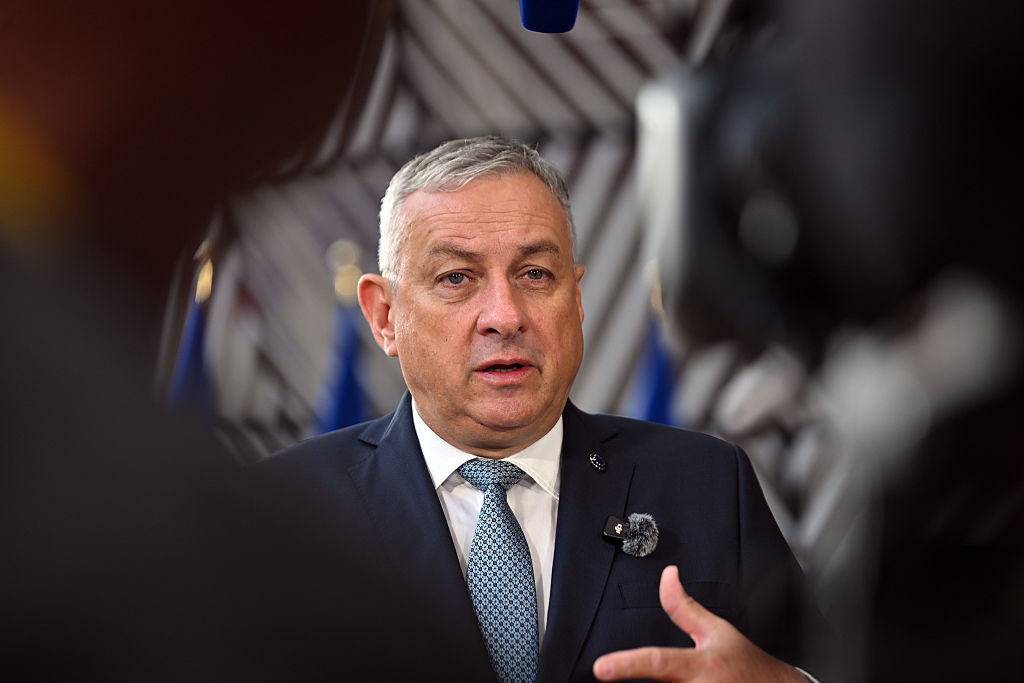
Brussels – A leading European Union partnerships official has sharply criticized the United States’ new “America First” global health strategy and the wave of bilateral health agreements it is forging with nations around the world. The criticism centers on concerns that the U.S. Approach prioritizes American interests over collaborative global health security and may undermine existing multilateral frameworks.
The agreements, announced in late 2025 and continuing into 2026, represent a significant shift in U.S. Global health policy. As outlined in the America First Global Health Strategy released by the U.S. Department of State, the U.S. Intends to establish five-year plans with countries receiving U.S. Health assistance. These Memorandums of Understanding (MOUs) aim to transition programs from U.S. Funding to country ownership, requiring partner nations to increase their domestic health spending as U.S. Assistance decreases. As of March 16, 2026, the KFF tracker is monitoring the signing of these agreements.
EU Concerns Over Bilateral Approach
The EU official, speaking on background, expressed reservations about the bilateral nature of the agreements, arguing they could fragment global health efforts and create a less equitable system. “This isn’t the world we want to be part of,” the official reportedly stated, highlighting a concern that the U.S. Strategy could lead to a patchwork of agreements that lack the coordination and shared responsibility necessary to address global health challenges effectively. The EU has long championed a multilateral approach to health security, emphasizing the importance of the World Health Organization (WHO) and other international bodies.
The core of the EU’s concern lies in the potential for the “America First” strategy to prioritize U.S. Health security interests at the expense of broader global health goals. Critics fear that the agreements may include provisions that favor U.S. Pharmaceutical companies or restrict access to essential medicines in partner countries. The emphasis on transitioning financial responsibility to recipient nations also raises concerns about the capacity of lower-income countries to sustain their health systems without continued U.S. Support.
Details of the U.S. Strategy and MOU Agreements
The U.S. Government asserts that the new strategy is designed to foster greater sustainability and resilience in global health systems. According to the State Department, the MOUs are intended to “help countries move toward more resilient and durable health systems.” The agreements are being pursued with countries that receive U.S. Global health assistance, with the expectation that they will increase their own investment in health over the next five years. This co-investment model is central to the U.S. Vision for a more self-reliant global health landscape.
The implementation of these agreements is slated for later in 2026. Data on the MOUs signed to date are being collected and published by sources like the KFF tracker, which compiles information from press releases issued by the State Department, U.S. Embassies, and partner country Ministries of Health, as well as publicly available MOU documents. The tracker provides an overview of the agreements, outlining the commitments made by both the U.S. And its partner countries.
Impact on Global Health Security
The shift towards bilateral agreements raises questions about the future of global health security cooperation. Multilateral organizations like the WHO play a crucial role in coordinating responses to pandemics and other health emergencies. Some experts worry that the U.S. Strategy could weaken these institutions by diverting resources and attention to bilateral initiatives. The potential for fragmentation also raises concerns about the ability to effectively monitor and respond to emerging health threats.
The EU’s criticism reflects a broader concern among international partners about the direction of U.S. Foreign policy under the current administration. The “America First” approach, which emphasizes national interests and bilateral deals, has been met with skepticism in many quarters. Critics argue that it undermines the principles of multilateralism and international cooperation that are essential for addressing global challenges.
The Role of the World Health Organization
The WHO remains a central player in global health governance, despite the challenges posed by the changing geopolitical landscape. The organization is responsible for setting international health standards, coordinating responses to outbreaks, and providing technical assistance to countries around the world. Still, the WHO’s effectiveness has been hampered by funding constraints and political disagreements. The U.S. Has historically been a major donor to the WHO, and changes in U.S. Policy can have a significant impact on the organization’s ability to function.
Looking Ahead
The coming months will be critical in determining the long-term impact of the U.S. “America First” global health strategy. As more MOUs are signed and implemented, it will become clearer how the agreements will affect global health security and the role of multilateral organizations. The EU is expected to continue to voice its concerns and advocate for a more collaborative approach to global health challenges. The ongoing dialogue between the U.S. And its international partners will be essential for ensuring that the new strategy does not undermine efforts to build a healthier and more secure world.
The next key development to watch will be the release of further details regarding the specific terms of the MOUs as they become publicly available. The KFF tracker will continue to provide updates on the progress of the agreements, offering valuable insights into the evolving landscape of U.S. Global health policy. Readers are encouraged to follow the KFF tracker and other reliable sources for the latest information on this important issue.
What are your thoughts on the U.S. “America First” global health strategy? Share your comments below and let us know how you think this will impact global health security.