EU Boosts Palestinian Authority with Aid, Amidst Uncertainty Over Gaza’s Future
The European Union is substantially increasing its financial commitment to the Palestinian Authority (PA), signaling a renewed effort to stabilize the region and prepare for a potential post-conflict scenario in Gaza. This move comes as international discussions intensify regarding the future governance of Gaza, and the viability of former U.S. President Donald Trump’s proposed plans.
Currently, a handful of EU member states have pledged over 80 million euros ($92 million) in immediate contributions. This forms part of a larger, pre-announced commitment of 1.6 billion euros over three years, designed to bolster the PA’s capacity.
What is the EU aiming to achieve?
According to EU Commissioner for the Mediterranean, Dubravka Suica, the core objectives are:
* Strengthening governance structures.
* Building a more resilient Palestinian economy.
* Stabilizing Palestinian finances.
* Improving essential services for the population.
* Creating conditions for effective governance across all Palestinian territories.
This financial support isn’t unconditional. It’s directly linked to the PA’s commitment to a comprehensive reform agenda, ensuring accountability and effective use of funds. You can expect increased scrutiny and reporting on how these resources are deployed.
The PA’s Role in a Post-Conflict Gaza
The Palestinian Authority insists on playing a central role in governing Gaza following any cessation of hostilities between Israel and Hamas. This is a critical stance, as the PA has been excluded from governing Gaza sence Hamas seized control in 2007, despite continuing to provide some services to the territory.
Trump’s plan envisions a potential role for the PA in Gaza, contingent upon the completion of necesary reforms. However, Israeli Prime Minister Benjamin Netanyahu has expressed strong reservations about the PA assuming control of post-war Gaza. This creates a significant hurdle in the path toward a unified Palestinian governance structure.
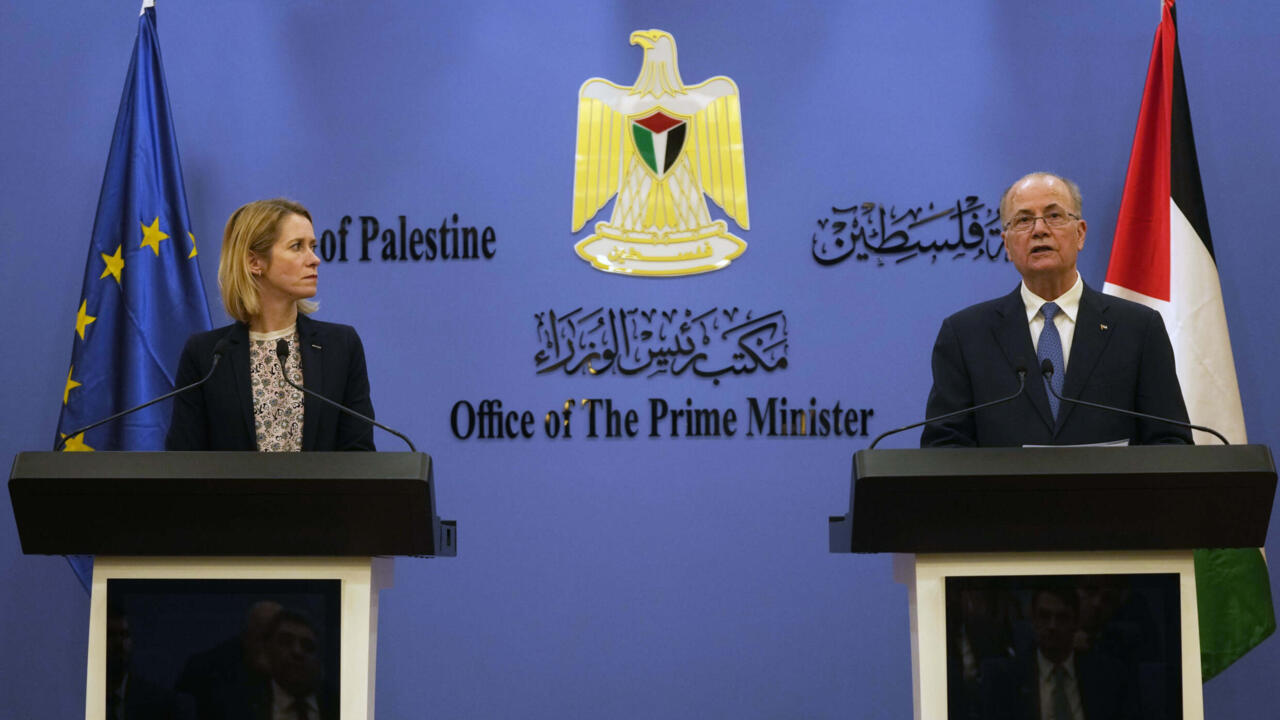
“Gaza and the West Bank are one political and geographical unit, inseparable parts of the state of Palestine,” stated Mohammad Mustafa, the PA’s prime minister.He emphasized that reunifying the two territories under a single, legitimate government is the “onyl workable path to stability.”
EU Navigating Complexities and Seeking Influence
The EU has faced internal divisions throughout the ongoing conflict, hindering its ability to exert significant influence. Despite these challenges, the bloc is actively seeking to increase its involvement. This includes a plan to train up to 3,000 Palestinian police officers in the Gaza Strip,bolstering security capabilities and supporting future governance.
You might be wondering why this is happening now. The EU’s renewed push reflects a growing concern about the potential for instability and a desire to proactively shape the post-conflict landscape. It’s a recognition that a viable political solution requires a strong and capable Palestinian Authority.
Looking Ahead:
The situation remains fluid and complex. The success of the EU’s efforts hinges on several factors, including:
* The willingness of all parties to engage in constructive dialog.
* The PA’s ability to implement meaningful reforms.
* A shift in israeli policy regarding the PA’s role in Gaza.
Ultimately, the EU’s investment in the PA is a bet on the possibility of a more stable and prosperous future for all Palestinians. It’s a long-term commitment that requires sustained engagement and a willingness to navigate challenging political realities.
Related reading