
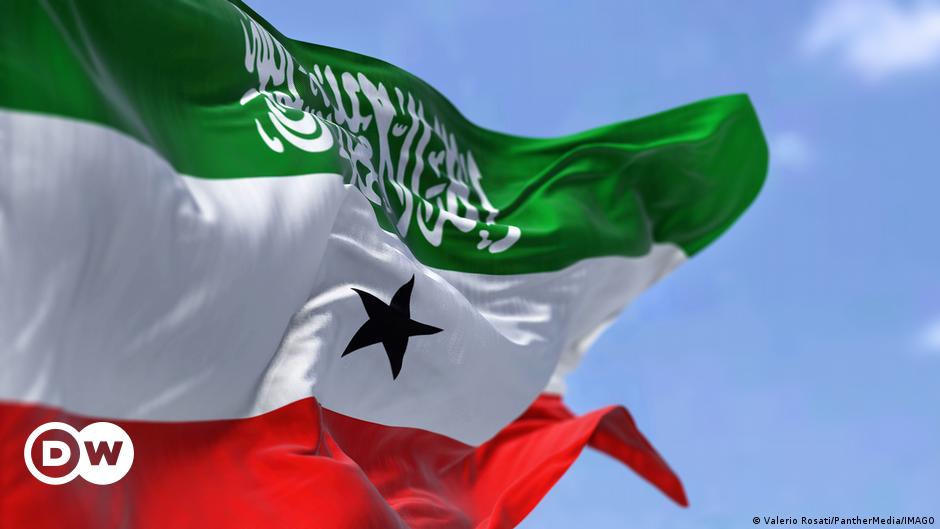
Somaliland Gains Israeli Recognition, Sparking International Debate
Recent developments have ignited a complex geopolitical situation surrounding Somaliland, a self-declared state in the Horn of Africa. Israel‘s decision to recognize Somaliland has triggered a wave of reactions from international actors, highlighting the delicate balance of regional security and diplomatic recognition.This article delves into the core issues, the motivations behind Israel’s move, and the broader implications for Somalia, the region, and international relations.
The Core of the Dispute: Somaliland’s Status
Somaliland declared independence from Somalia in 1991, following a civil war that toppled Siad Barre’s regime.As then, it has functioned as a de facto self-reliant state, boasting its own government, currency, military, and legal system. however, it has not achieved widespread international recognition.
Somalia maintains that Somaliland is an integral part of its territory, a position consistently upheld by the African Union and most of the international community. this stance is rooted in preserving Somalia’s territorial integrity and preventing the potential for further fragmentation in a volatile region.
International Reactions: A Divided response
The Israeli move has been met with a diverse range of responses. Several key players have voiced their concerns and reaffirmed their support for Somalia’s sovereignty.
* IGAD (Intergovernmental Authority on Development) reiterated its longstanding position that Somalia’s borders are internationally recognized and cannot be altered unilaterally.
* Nigeria and several Middle Eastern states issued statements urging restraint and discouraging recognition of breakaway regions.
* A joint declaration from over 20 nations and the Organization of Islamic Cooperation warned of “serious repercussions” for regional and global security.
* The United States continues to recognize Somalia’s territorial integrity, including the territory currently claimed by Somaliland.
Thes reactions underscore the international community’s commitment to upholding established principles of territorial integrity and preventing the escalation of conflicts through unilateral recognition.
Why Israel Recognized Somaliland
Israel framed its decision as a natural extension of the Abraham Accords, a series of normalization agreements between Israel and several Arab and Muslim-majority nations since 2020. These accords aimed to foster diplomatic and economic cooperation, opening new channels for engagement in the region.
The move is also strategically significant for Israel. Establishing a relationship with Somaliland offers potential benefits, including:
* Geopolitical positioning: Strengthening ties in the Horn of africa, a region of growing strategic importance.
* Security cooperation: Potential for collaboration on counterterrorism and maritime security.
* Economic opportunities: Exploring potential trade and investment partnerships.
However, the timing is noteworthy. Despite the return of the administration that initially brokered the abraham Accords, no new Arab nations have joined the agreements, largely due to the ongoing conflict in Gaza.
Somaliland’s Perspective: Breaking Diplomatic Isolation
For somaliland,Israel’s recognition represents a significant breakthrough. After decades of diplomatic isolation,this move offers a glimmer of hope for greater international acceptance.
Somaliland hopes that Israel’s example will encourage other countries to follow suit, leading to:
* Increased foreign investment: Attracting much-needed capital for economic development.
* Enhanced international legitimacy: Gaining recognition as a sovereign state.
* Greater security cooperation: Strengthening its ability to address regional security challenges.
Looking Ahead: Implications and Challenges
Israel’s recognition of Somaliland has undoubtedly complicated the already complex political landscape in the Horn of Africa. You can expect continued diplomatic maneuvering, potential for increased tensions between Somalia and Somaliland, and a broader debate about the principles of self-determination and territorial integrity.
The situation demands careful consideration and a commitment to peaceful dialog. A lasting solution requires addressing the underlying issues driving the dispute, fostering inclusive governance, and prioritizing the stability and prosperity of the entire region. Ultimately, the future of Somaliland hinges on finding a path that respects both its aspirations for self-determination and the broader principles of international law and regional security.


