
The European Union is convening an emergency meeting to address a sudden migrant surge into the Spanish North African enclave of Ceuta, an event that has sharply exposed ongoing vulnerabilities in the Schengen Area’s external border governance. According to reports from Xinhua and Spanish state broadcaster RTVE, Spanish Prime Minister Pedro Sánchez recently criticized several EU member states for taking a “selfish” approach to continental migration management, arguing that border security and humanitarian reception must be shared responsibilities across the bloc.
The sudden influx of thousands of migrants swimming or crossing land borders into Ceuta triggered acute diplomatic and operational strains between Spain and Morocco, while prompting broader alarm in Brussels. European Commission officials and interior ministers are scheduled to evaluate immediate border reinforcement measures, diplomatic engagement with North African transit nations, and solidarity mechanisms designed to relieve pressure on frontline states like Spain, Italy, and Greece. The talks follow a tumultuous period that saw thousands arrive on the shores of the enclave within a matter of days, overwhelming local reception facilities.
The crisis also drew intense international sorrow following the tragic death of a young Moroccan female athlete who attempted to swim across the maritime border into the Spanish enclave, a fatality confirmed by regional human rights monitors and local authorities. The incident underscored the desperate risks individuals take along maritime migration corridors, intensifying calls from humanitarian organizations for safer legal pathways and robust search-and-rescue coordination across the Strait of Gibraltar.
Schengen Governance Under Pressure as Ceuta Inflows Surge
The border breach in Ceuta has reignited a fierce debate among EU member states over the resilience of the Schengen Area, which permits passport-free travel across 29 European nations but relies heavily on the integrity of external frontier states. According to analyses published by Xinhua and Euronews, sudden migration spikes test whether the bloc can effectively pool resources to manage external pressures without triggering unilateral border closures among member countries.
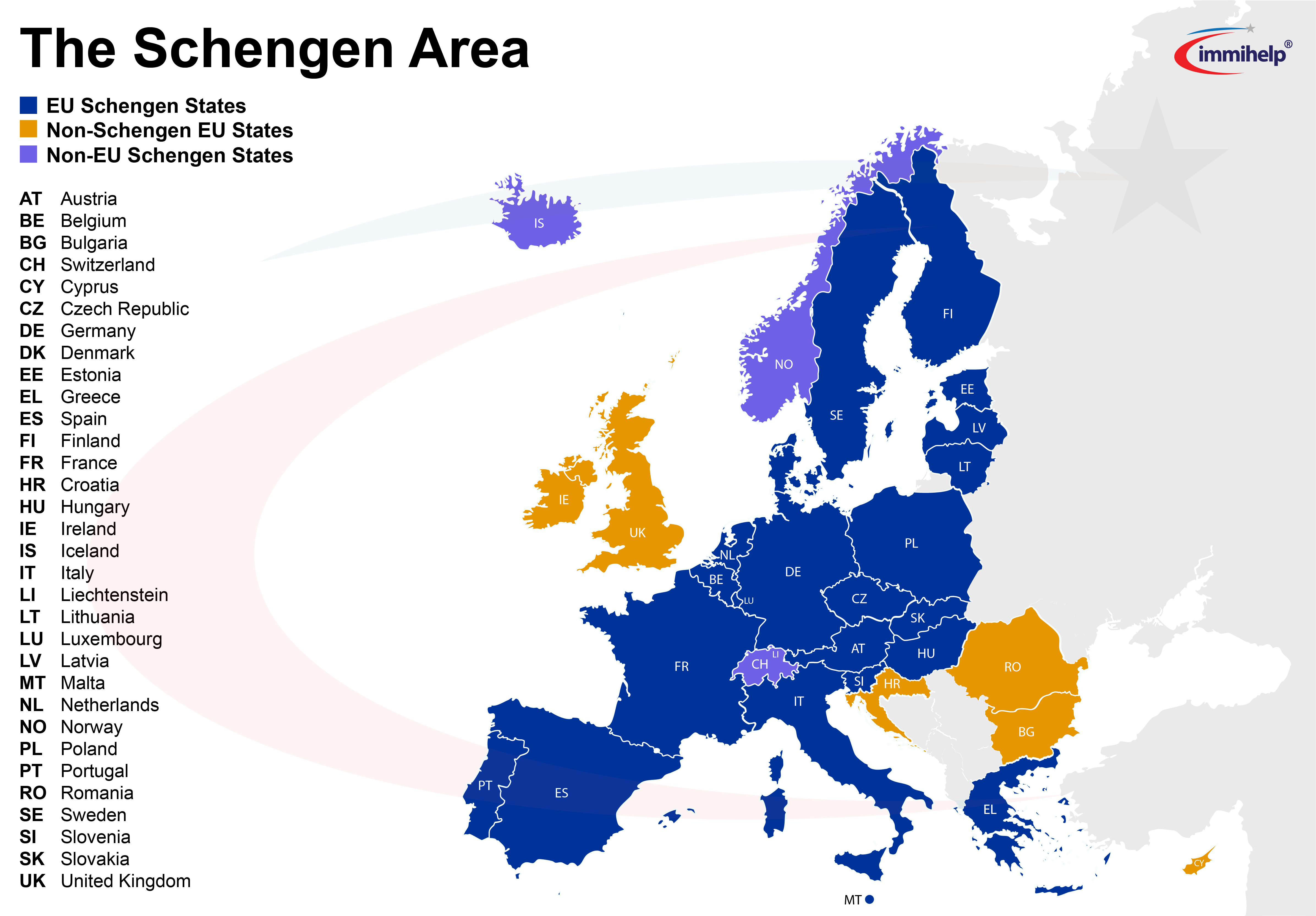
Spanish authorities reported that while the most intense phase of the sudden arrival wave subsided following enhanced bilateral security deployments by Moroccan and Spanish security forces, the underlying geopolitical tensions remain unresolved. Prime Minister Sánchez emphasized during domestic parliamentary debates that frontline nations cannot be left to shoulder migration management alone, rebuking EU partners who resist mandatory relocation quotas or financial burden-sharing. The upcoming high-level consultations in Brussels aim to bridge these long-standing divisions by evaluating the implementation of the EU’s New Pact on Migration and Asylum, which seeks to streamline asylum procedures and enforce solidarity among capitals.
Human rights advocates and migration experts point out that structural push factors—including economic disparities, youth unemployment in North Africa, and climate-induced agricultural pressures—continue to drive desperate crossings. Local NGOs operating in Ceuta and Andalusia have stressed that emergency summits must move beyond short-term containment strategies to address the root drivers of irregular migration while safeguarding the human rights of those arriving at European borders.
Next Steps and Official Checkpoints
EU interior ministers are scheduled to convene formally on December 4 to review the outcomes of preparatory working group sessions on external border security and Dublin regulation reforms, as reported by Agence France-Presse and EU policy monitors. Member states are expected to examine updated risk assessments from Frontex, the European Border and Coast Guard Agency, regarding maritime routes in the Western Mediterranean. Readers seeking official updates, legislative text on the EU Asylum Pact, or travel advisories can consult the European Commission Directorate-General for Migration and Home Affairs portal.
We welcome your perspectives on this developing story. Please share your thoughts and join the discussion in the comments section below.
Keep reading