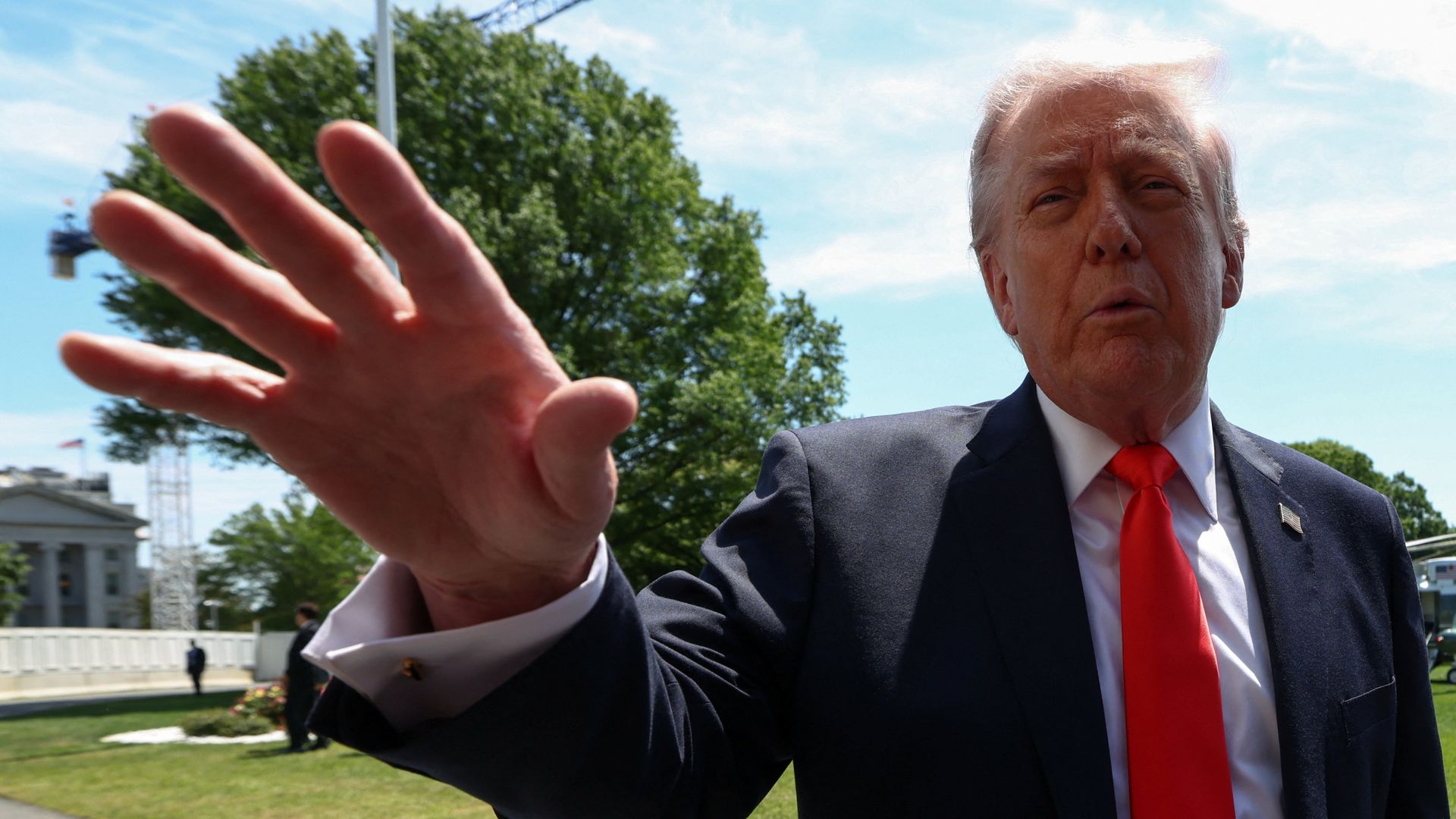
Transatlantic trade relations have plummeted into a new state of volatility following a Friday announcement by U.S. President Donald Trump that he intends to sharply increase tariffs on vehicles imported from the European Union. The move, announced via social media, signals a significant escalation in a trade dispute that threatens to disrupt global automotive supply chains and unsettle financial markets.
President Trump stated that the U.S. Will raise tariffs on cars and trucks from the EU to 25% starting next week. The president justified the decision by claiming that the European Union has failed to adhere to a bilateral trade agreement established last year. This sudden policy shift arrives at a moment of global economic fragility, raising concerns among policymakers in Brussels and Washington about a potential trade war.
The European Union’s response has been swift, with trade officials describing the move as unacceptable. While the EU has historically sought to resolve trade frictions through negotiation and World Trade Organization (WTO) frameworks, the scale of the proposed 25% levy on vehicles—a cornerstone of European industrial exports—has forced the bloc to prepare for retaliatory measures.
The Catalyst: Allegations of Non-Compliance
The trigger for the tariff hike, according to the White House, is a perceived breach of a trade deal. In a post on Truth Social, President Trump announced the measure, stating:
I am pleased to announce that, based on the fact the European Union is not complying with our fully agreed to Trade Deal, next week I will be increasing Tariffs charged to the European Union for Cars and Trucks coming into the United States. The Tariff will be increased to 25%.Donald Trump, President of the United States
Despite the specific figure of 25%, the administration has not provided detailed documentation on the specific clauses of the agreement the EU is alleged to have violated. This lack of specificity has left European trade representatives scrambling to identify the exact point of contention while simultaneously preparing a defense of the bloc’s trade practices. According to reporting from BBC News, the announcement has been viewed as a sharp escalation in tensions between the two major economic powers.
Economic Implications for the Automotive Sector
The automotive industry is one of the most heavily impacted sectors in this dispute. European manufacturers, particularly those in Germany, rely heavily on the U.S. Market for high-end vehicle exports. A 25% tariff would significantly increase the cost of European cars for American consumers, potentially leading to a drop in sales and forcing manufacturers to either absorb the costs—slashing profit margins—or pass the increase onto buyers.
Industry analysts warn that such a move could trigger a “domino effect” in the global economy. Because modern vehicles are built using components from multiple countries, tariffs on finished goods often lead to disruptions in the parts supply chain. The move is seen by some as a strategic lever to force the EU into further concessions on other trade issues, such as agricultural imports or digital services taxes.
The timing of the move is particularly sensitive. As reported by AP News, the tariffs could jolt the world economy at a fragile moment, potentially increasing inflation for consumers and creating instability for investors.
The EU’s Strategic Counter-Response
Brussels is not expected to remain passive. The European Commission has a history of “rebalancing” trade by imposing targeted tariffs on U.S. Goods in response to American protectionism. Previous disputes have seen the EU target iconic American products, including bourbon, Harley-Davidson motorcycles, and agricultural goods, to maximize political pressure on specific U.S. Congressional districts.
The EU’s trade chair and other officials have indicated that the bloc is keeping all options open. This strategy typically involves a two-pronged approach: seeking a diplomatic resolution through high-level summits while simultaneously finalizing a “retaliation list” of U.S. Exports to be taxed. The goal is to demonstrate that the U.S. Economy would also suffer if a full-scale trade war ensues.
Potential Areas of Retaliation
- Agricultural Products: Targeting U.S. Soy, corn, or meat exports to pressure the American Midwest.
- High-Tech Goods: Levying tariffs on American software or cloud services.
- Luxury Goods: Increasing duties on U.S.-made spirits and specialty foods.
- Aerospace: Potentially revisiting disputes regarding aircraft subsidies.
What This Means for Global Trade
This clash underscores a broader shift toward protectionism in the 21st century. The move away from “free trade” toward “managed trade” or “reciprocal trade” means that tariffs are increasingly used as diplomatic weapons rather than just economic tools. For the global audience, this means higher prices for consumer goods and a more unpredictable environment for international business.
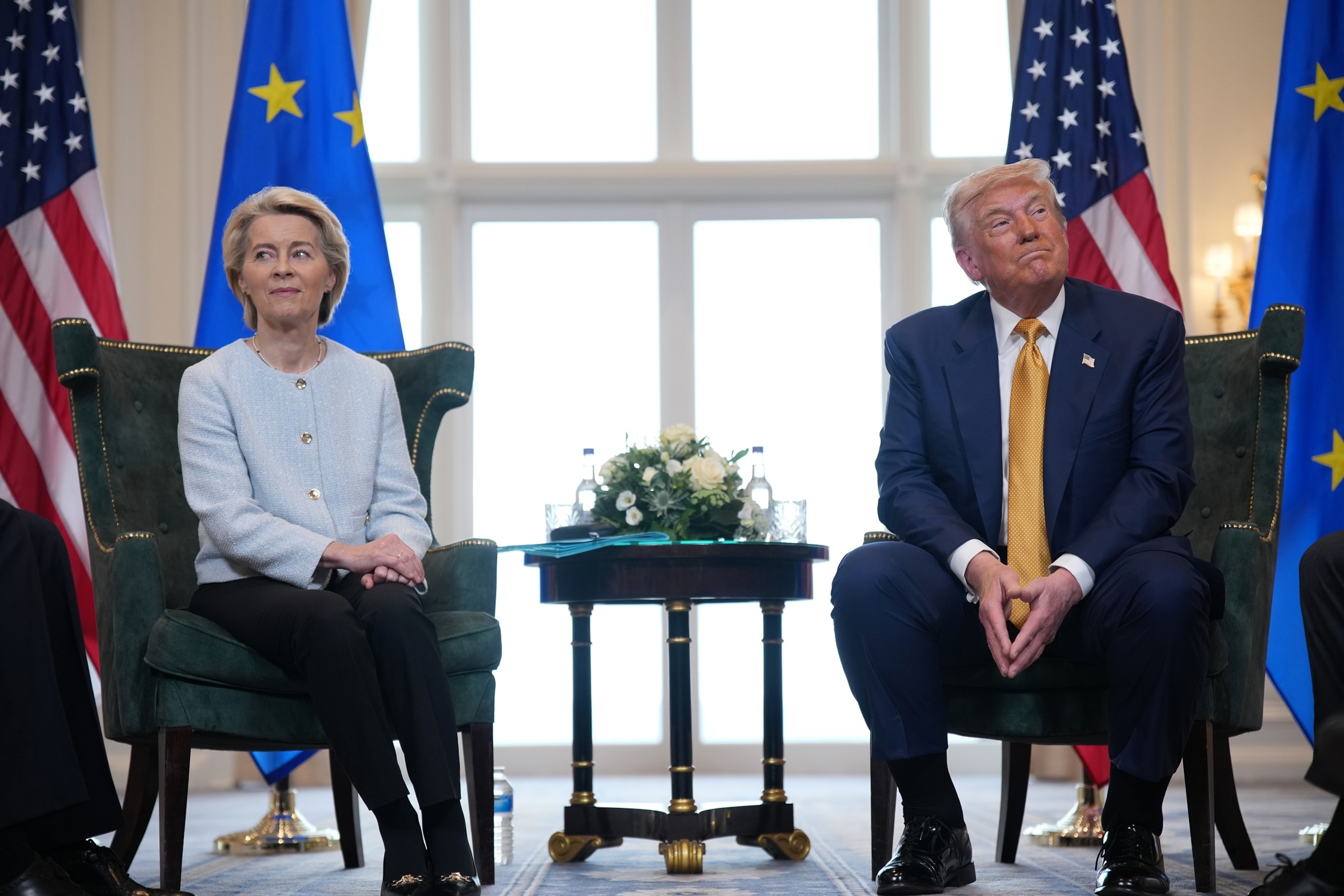
The dispute also tests the cohesion of the European Union. While the Commission speaks for the bloc, individual member states—especially Germany—may sense the pressure of the U.S. Tariffs more acutely, potentially creating friction within the EU over how aggressively to fight back.
Key Takeaways: The U.S.-EU Tariff Dispute
- The Action: President Trump announced a hike in tariffs on EU cars and trucks to 25%.
- The Timeline: The tariffs are scheduled to take effect “next week” following the May 1, 2026, announcement.
- The Justification: The U.S. Claims the EU is not complying with a previously agreed-upon trade deal.
- The EU Response: Officials have labeled the move “unacceptable” and are preparing retaliatory measures.
- The Risk: Potential for a broader trade war affecting agriculture, technology, and global supply chains.
As the deadline for the tariff implementation approaches, the world’s attention turns to whether a last-minute diplomatic breakthrough can occur. The next critical checkpoint will be the formal implementation of the tariffs next week, at which point the European Commission is expected to announce its specific list of retaliatory tariffs.
We wish to hear from you. How do you think these tariffs will affect the price of vehicles in your region? Share your thoughts in the comments below or share this story with your network to keep the conversation going.
Keep reading
- Bronwyn Heslop’s death highlights the urgent need for change in South Africa’s fight against GBV
- Order of the Sinking Star is Ready to Launch on PlayStation 5 and TV
- US Crypto Ownership Drops Despite Trump Push and ETFs (archyworldys.com)
- Trump Ordina Pausa Negli Attacchi Stati Unitesi contro l’Iran (archynewsy.com)