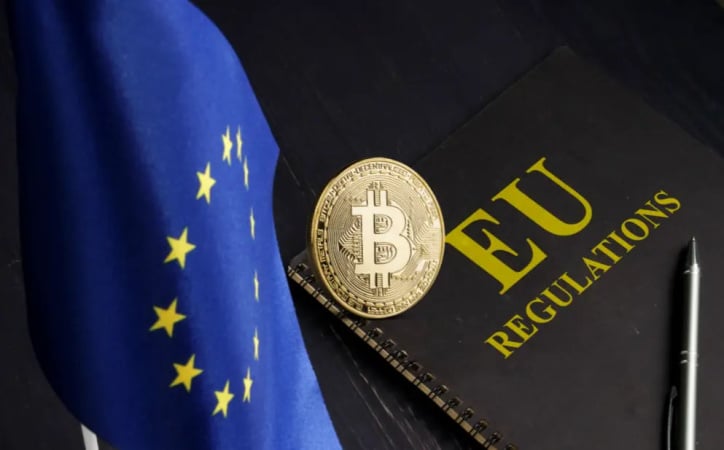
The European Union is currently re-evaluating its regulatory framework for digital assets, specifically targeting stablecoins, as transaction volumes for these instruments have surged. According to data from the European Banking Authority (EBA), the rapid adoption of stablecoins—cryptocurrencies pegged to the value of fiat currencies—has prompted regulators to scrutinize the implementation of the Markets in Crypto-Assets (MiCA) regulation, which serves as the primary legal framework for crypto-assets in the European Economic Area.
MiCA, which officially began its phased rollout in 2024, was designed to bring transparency, consumer protection, and market integrity to the digital asset sector. However, the unexpected velocity of stablecoin market growth has forced the European Commission and national regulators to address potential systemic risks earlier than initially anticipated. As of mid-2024, the EBA has been actively publishing technical standards to ensure that issuers of Asset-Referenced Tokens (ARTs) and E-Money Tokens (EMTs) meet strict capital and reserve requirements, as outlined in the official Regulation (EU) 2023/1114.
Stablecoin Market Expansion and Regulatory Oversight
The surge in transaction volume, which some market observers have estimated to be as high as 72% in specific segments of the stablecoin ecosystem, has shifted the focus of European financial authorities. While the MiCA framework is robust, the primary challenge remains the operational capacity of issuers to maintain stable reserves under volatile market conditions. The European Securities and Markets Authority (ESMA) and the EBA are currently coordinating to supervise major issuers, ensuring that they maintain liquid reserves that match their circulating supply, as mandated by the MiCA regulatory technical standards.
For users and investors, this means that stablecoins operating within the EU must now comply with stringent disclosure rules. Issuers are required to publish a “crypto-asset white paper” that provides detailed information about their reserve assets, the rights of token holders, and the governance structure of the project. If an issuer fails to provide this transparency, they face significant limitations on their ability to offer services to EU-based residents.
The Impact of MiCA on Market Participants
The transition toward full MiCA compliance is not merely a bureaucratic hurdle; it represents a fundamental change in how stablecoins are treated under European law. Under the new rules, E-Money Tokens (EMTs) must be issued by a credit institution or an electronic money institution authorized within an EU member state. This requirement effectively bridges the gap between traditional banking regulations and the decentralized nature of digital assets.

The European Commission has emphasized that these measures are intended to prevent “bank-run” style scenarios, where a sudden loss of confidence in a stablecoin’s peg could lead to widespread financial instability. According to the European Commission’s official portal on digital finance, these rules are essential for fostering a secure environment for financial innovation while protecting retail investors from extreme market volatility.
Next Steps for EU Crypto Policy
The next major checkpoint for the industry involves the full application of the provisions relating to Crypto-Asset Service Providers (CASPs), which are scheduled to be fully operational by December 30, 2024. During this period, national competent authorities will continue to assess the compliance of existing crypto-exchanges and wallet providers. Investors should monitor updates from their local financial regulators, as these bodies are responsible for enforcing the EBA’s guidelines on governance and risk management for stablecoin issuers.

As the market continues to evolve, the European Union is expected to conduct ongoing reviews of the MiCA framework to determine if further legislative adjustments are required to address emerging technologies or shifts in trading behavior. Market participants are encouraged to follow the official proceedings of the European Parliament’s Committee on Economic and Monetary Affairs for future updates regarding potential amendments or supplementary regulations.
We will continue to monitor these developments as they unfold. Please share your thoughts on how these regulations may impact your digital asset strategy in the comments below.