
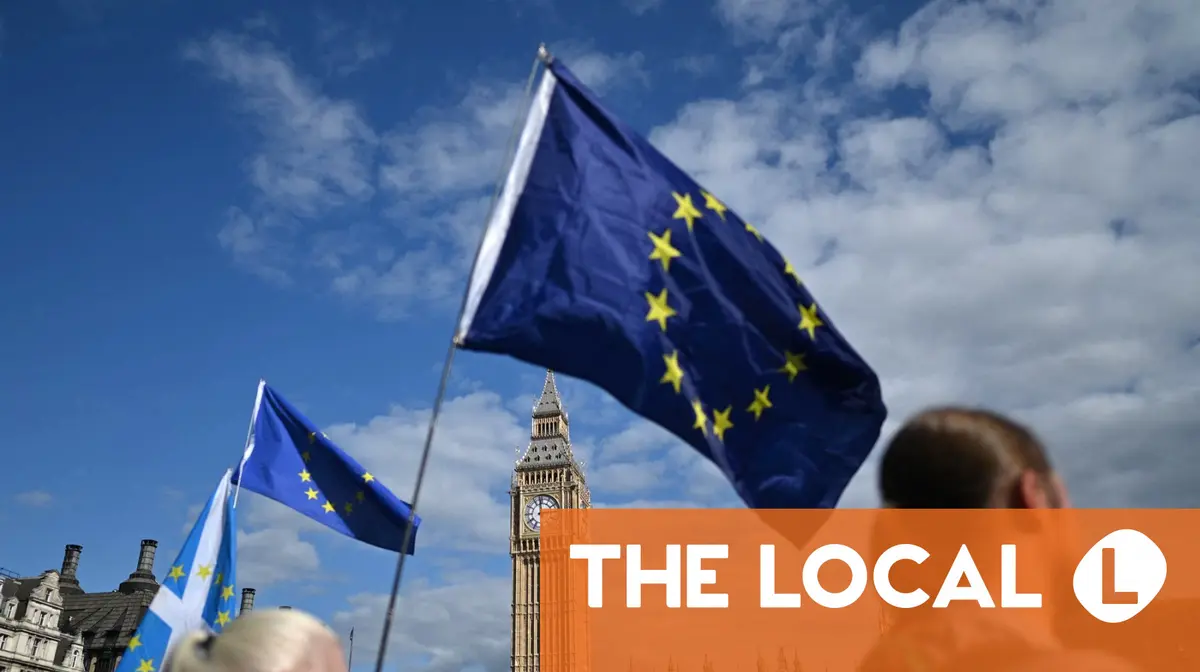
The next high-level diplomatic engagement between the European Union and the United Kingdom is expected to focus on a formal “reset” of relations, prioritizing security cooperation, trade barriers, and migration management. While discussions originally anticipated for July were postponed due to the political transition in London, the new administration under Prime Minister Keir Starmer is signaling a move toward closer, though not rejoined, cooperation with the bloc.
The postponement of the July timeline coincided with the UK general election, which resulted in a landslide victory for the Labour Party on July 4, 2024. This change in government has prompted a recalibration of the diplomatic schedule as the new administration establishes its foreign policy priorities and engages with European Commission officials. According to diplomatic sources, the delay allows both parties to approach upcoming negotiations with a clearer understanding of the UK’s new strategic direction.
Why was the July EU-UK summit postponed?
The postponement of scheduled high-level meetings in July was primarily driven by the political instability and subsequent transition of power in the United Kingdom. The UK general election, held on July 4, 2024, necessitated a pause in formal intergovernmental negotiations to allow the incoming Labour government to consolidate its position and brief its diplomatic corps.

Diplomatic observers note that scheduling major summits during an election cycle is often impractical, as the governing party and its negotiating mandates are in flux. With the Conservative government exiting and the Labour Party assuming control, the European Union has waited for the formalization of the UK’s new cabinet and its specific objectives for the Trade and Cooperation Agreement (TCA) framework. This period of “political maneuvering” in London has effectively shifted the diplomatic calendar from a summer timeline to a late-year or early-2025 outlook.
What is on the agenda for the next meeting?
While a formal agenda has not been published by the European Commission or the UK Foreign, Commonwealth & Development Office, several core pillars have been identified by government officials and policy analysts as the likely focus of upcoming talks. These topics reflect the immediate priorities of the Starmer administration and the EU’s interest in regional stability.

- Security and Defense: Strengthening cooperation regarding the conflict in Ukraine remains a top priority. Both the UK and the EU have expressed a shared interest in deepening intelligence sharing and defense industrial cooperation to counter Russian aggression.
- Economic and Trade Friction: The UK government has indicated a desire to reduce non-tariff barriers that have hampered trade since Brexit. This includes discussions around Sanitary and Phytosanitary (SPS) measures, which affect the movement of food and agricultural products.
- Migration and Border Management: Addressing the movement of people across the English Channel is a central political issue in the UK. Discussions are expected to focus on enhanced cooperation regarding human smuggling networks and border security protocols.
- Regulatory Alignment: While the UK is not seeking to rejoin the Single Market or the Customs Union, there is potential for discussions regarding mutual recognition of professional qualifications and technical standards to ease business operations.
How will the UK-EU “reset” affect international relations?
The term “reset” has become central to the discourse surrounding the new UK government’s approach to Brussels. Unlike the previous administration, which often adopted a more confrontational stance toward EU institutions, the current leadership has emphasized a desire to move past the most contentious aspects of the Brexit process to focus on practical, functional cooperation.
This shift aims to mitigate the economic drag caused by post-Brexit trade complexities without the political difficulty of reversing the UK’s departure from the EU. However, the EU’s stance remains governed by the principle of the integrity of the Single Market. According to reports from European officials, any move toward closer alignment must not undermine the existing rules set out in the TCA or create “backdoor” access to the Single Market that bypasses EU regulations.
The success of this reset depends on balancing UK sovereignty with the economic necessity of reduced friction. For the UK, the goal is to improve growth and stability; for the EU, the priority is ensuring that the UK remains a predictable and cooperative neighbor in matters of security and regional stability.
Comparison of Diplomatic Approaches
| Feature | Previous UK Administration | Current Labour Administration |
|---|---|---|
| Primary Objective | Asserting sovereignty and challenging TCA constraints. | Reducing trade friction and rebuilding diplomatic ties. |
| Tone of Engagement | Often adversarial or confrontational. | Pragmatic and focused on “functional cooperation.” |
| Security Focus | Ad hoc cooperation on specific issues. | Integrated approach to regional and European security. |
| Trade Strategy | Focus on new global free trade agreements. | Focus on stabilizing and improving EU-UK trade flows. |
When will the next formal discussions take place?
A specific date for the next EU-UK summit has not been officially confirmed by either London or Brussels. The timeline is currently dependent on the completion of the UK’s internal government restructuring and the subsequent formal invitations issued by the European Commission. Most analysts expect high-level ministerial meetings to resume in the final quarter of 2024, with a full-scale summit potentially occurring in early 2025.

Observers will be looking for the next official update from the UK Foreign Office or the European Commission’s press service to confirm the venue and the finalized list of participants. Until then, diplomatic activity is expected to continue at the civil servant and technical committee level, particularly regarding the ongoing implementation of the Windsor Framework and TCA-related regulatory discussions.
Next checkpoint: Monitor official statements from the UK Foreign, Commonwealth & Development Office and the European Commission for the announcement of the next round of ministerial-level meetings.
Do you think the UK-EU “reset” will lead to lasting economic stability? Share your thoughts in the comments below and share this article with your network.