
The European Commission has disbursed a 3.2 billion euro tranche of macro-financial assistance to Ukraine, marking a significant step in the broader financial support framework established by the European Union. This payment, confirmed by official European Commission statements, is part of the ongoing effort to sustain the Ukrainian state budget and support essential public services amid the ongoing conflict. According to the European Commission’s official portal, these funds are critical for maintaining economic stability as the government in Kyiv balances defense expenditures with civilian requirements.
The European Union has consistently aimed to provide predictable financial assistance to Ukraine. This particular disbursement is linked to the broader multi-billion euro support packages designed to ensure that the Ukrainian economy remains functional. For further details on the structural support mechanisms, the European Commission’s official solidarity page provides comprehensive data on the various instruments currently in use to channel aid to the country.
Financial Framework and Allocation Priorities
The 3.2 billion euro transfer is part of a larger financial commitment by the European Union to support Ukraine’s immediate recovery and operational needs. These funds are designated for macro-financial assistance, which is intended to cover urgent budgetary gaps. Beyond direct budgetary support, European officials have emphasized the importance of funding specific strategic areas, including the procurement of defense technologies such as unmanned aerial vehicles (UAVs). The European Commission President, Ursula von der Leyen, has publicly noted that sustained financial aid is a cornerstone of the EU’s policy toward Kyiv, as reported by the Council of the European Union.
The allocation of these funds is subject to strict conditionality, requiring Ukraine to implement specific reforms related to governance, transparency, and the rule of law. These requirements are monitored by the European Commission to ensure that the assistance is used effectively and in alignment with European standards. By tying disbursements to reform benchmarks, the EU seeks to ensure long-term stability and institutional alignment with the bloc’s requirements for eventual integration.
Context of European Integration
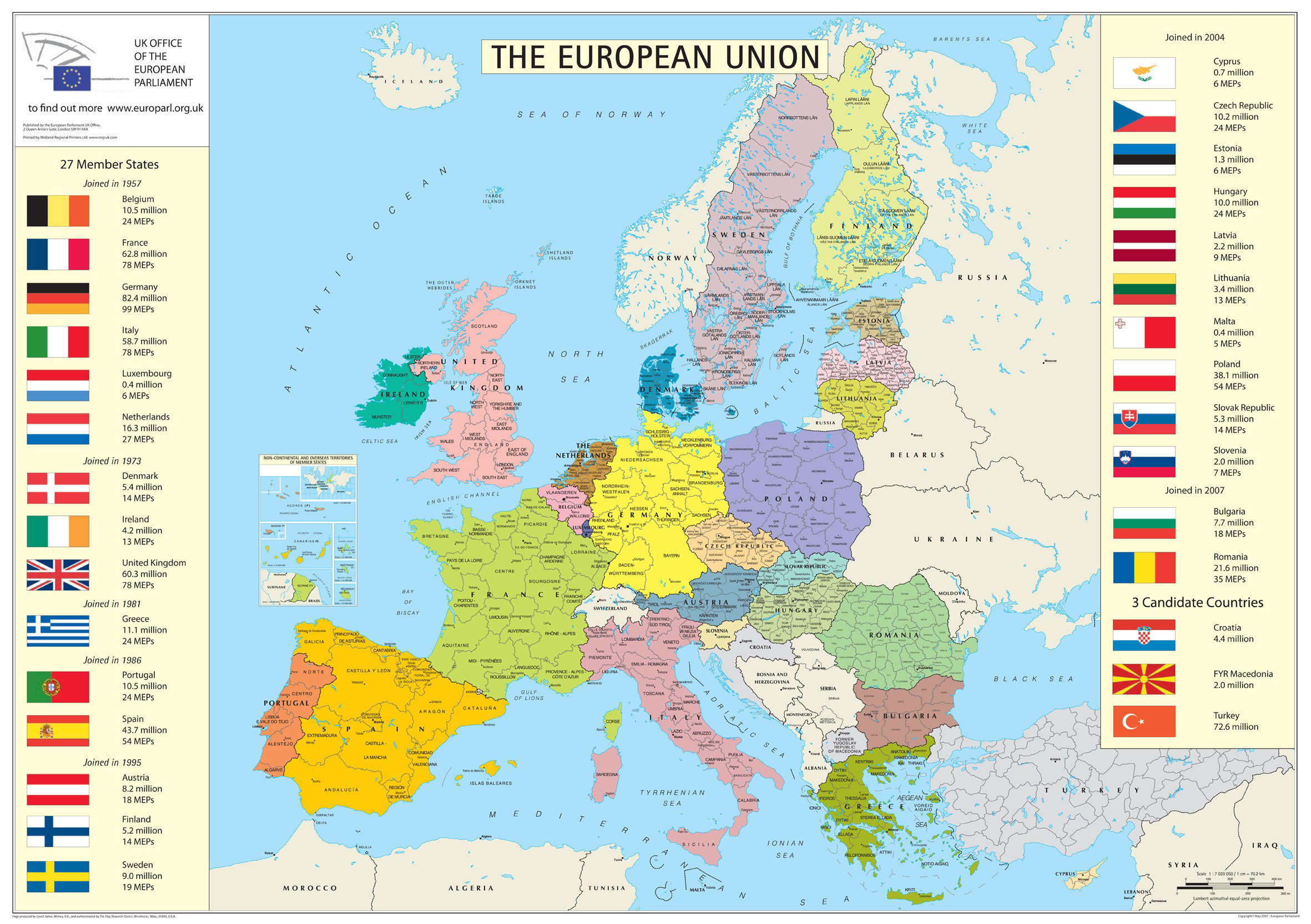
The commitment to Ukraine’s financial stability is increasingly viewed through the lens of its long-term European integration. Leaders within the EU, including the current presidency, have repeatedly affirmed that Ukraine’s future lies within the European Union. This political commitment serves as the backdrop for the ongoing financial negotiations and the structuring of long-term aid packages. According to statements from the European External Action Service, the integration process involves not only financial support but also extensive legislative and administrative alignment with EU law.

While the immediate focus remains on wartime economic survival, the EU’s financial strategy is increasingly integrated with reconstruction planning. The transition from emergency humanitarian and budgetary aid to more structural development support is a primary topic of discussion in Brussels. The European Union remains the largest provider of financial assistance to Ukraine, with billions of euros pledged across various multi-year programs intended to bolster the country’s resilience against external economic shocks.
What Happens Next
The next phase for Ukraine’s financial roadmap involves the assessment of progress toward the reform benchmarks set by the European Commission. These assessments are critical for the release of subsequent tranches of assistance. The European Commission typically conducts regular reviews of the reform agenda, with findings published in periodic reports on the status of the EU-Ukraine partnership. Stakeholders and international observers can track these developments through the European Neighbourhood Policy and Enlargement Negotiations portal, which serves as a central repository for official policy updates and progress monitoring.
As the conflict continues to shape the economic landscape, the focus remains on ensuring that financial aid remains consistent and predictable. The European Union has indicated that its support is not time-bound to the immediate duration of the hostilities but is instead framed as a long-term commitment to the sovereignty and economic viability of the Ukrainian state. Further updates regarding the schedule for future disbursements will be released by the European Commission as specific milestones are reached.
We encourage our readers to participate in the conversation by sharing their perspectives on the role of international financial institutions in post-conflict reconstruction. Please feel free to post your comments below or share this report with your network to facilitate a broader understanding of these ongoing developments.
Worth a look