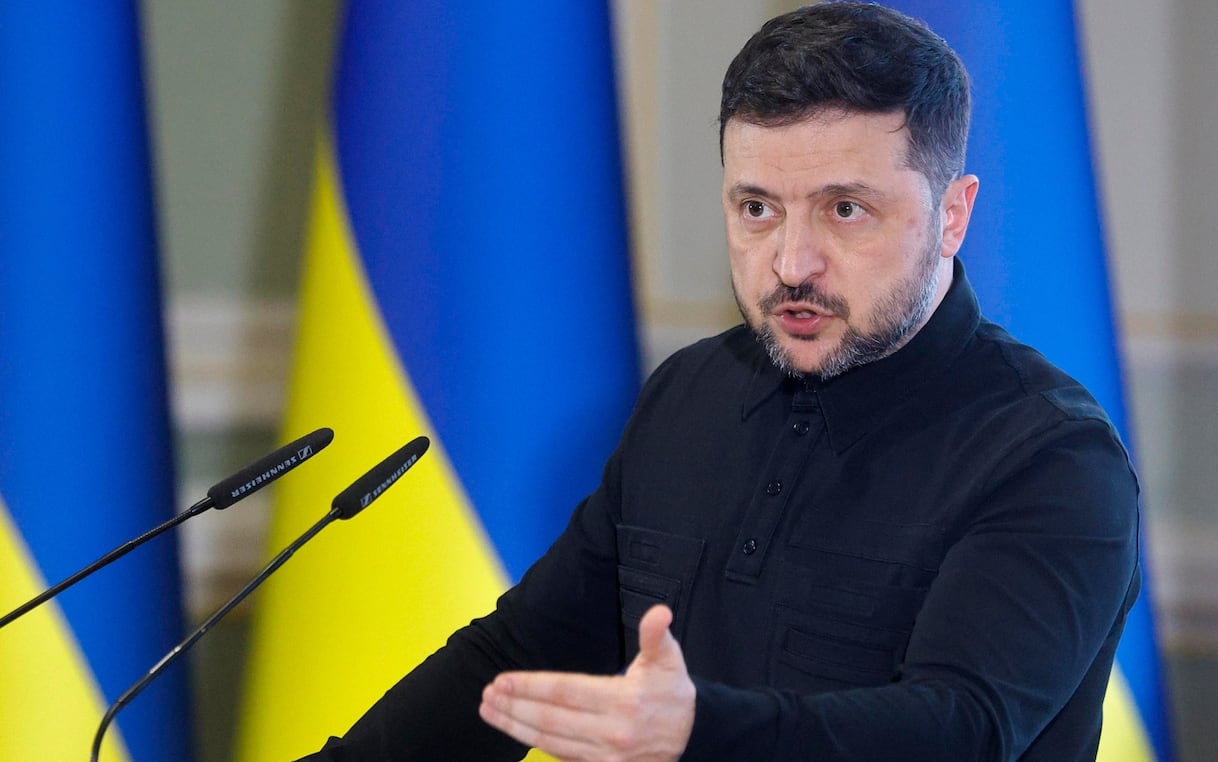
The European Union is preparing a new package of restrictive measures against the Russian Federation, intensifying economic pressure as the conflict in Ukraine enters a prolonged phase. European Commission officials have signaled that the upcoming 15th round of sanctions—often referred to in diplomatic circles as part of a continuous, multi-layered strategy—will specifically target revenue streams from the energy sector and critical trade channels. This move comes as Ukrainian leadership maintains a firm stance against European-led mediation, calling instead for a unified international front to halt Russian military operations.
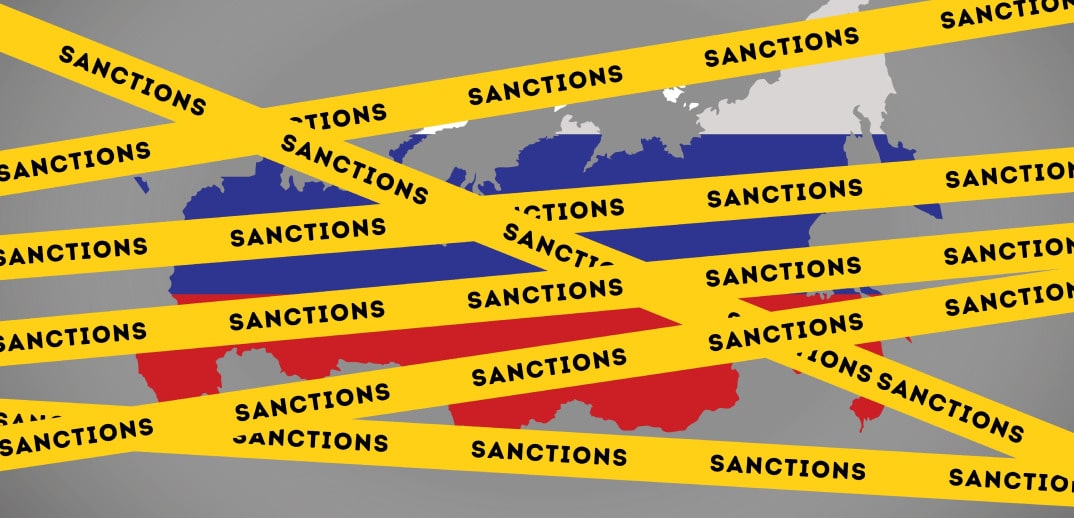
According to updates from the European Commission, the proposed measures aim to address circumvention tactics that have allowed Moscow to bypass existing restrictions. These efforts include stricter monitoring of dual-use goods and further tightening the enforcement of the price cap on Russian oil, a mechanism that remains a focal point of Western economic policy. Official data from the European Council confirms that the EU has maintained a consistent trajectory of sanctions since February 2022, with each package designed to degrade the Kremlin’s capacity to finance its ongoing military campaign, as outlined in the official EU sanctions portal.
Broadening the Scope of Economic Restrictions
The latest sanctions focus on closing loopholes in the existing trade regime. European officials have identified that certain entities in third countries continue to facilitate the movement of prohibited technology into Russia. By targeting these intermediaries, the European Union intends to restrict Moscow’s access to microchips and other components essential for missile and drone production. The European Commission has consistently emphasized that these measures are not static; they are updated periodically based on intelligence regarding how the Russian industrial complex adapts to current limitations.
The ongoing debate regarding the oil price cap remains complex. While some member states advocate for a lower threshold to further reduce Russia’s export revenues, others express concern over the potential for global market instability. Current policy, supported by the G7 and the European Union, maintains that the price cap serves as a tool to keep Russian oil flowing to global markets while simultaneously limiting the profit margins of the Russian state. As reported by the International Energy Agency, the effectiveness of the cap has fluctuated as Russian exporters have shifted their logistics to “shadow fleet” tankers, leading to a recent push for stricter maritime insurance enforcement.
Ukraine’s Stance on Mediation
Ukrainian President Volodymyr Zelenskyy has recently clarified his government’s position regarding the role of international mediators. During recent diplomatic engagements, he emphasized that the European Union’s primary role should be to exert maximum pressure on the Kremlin rather than acting as a neutral intermediary for negotiations. Zelenskyy’s administration maintains that any dialogue regarding a potential truce must be based on the “Peace Formula” proposed by Kyiv, which includes the total withdrawal of Russian troops from internationally recognized Ukrainian territory.
This perspective reflects a significant shift in the diplomatic landscape. In the early stages of the conflict, various European capitals played active roles in facilitating communication channels. However, the current consensus within the Ukrainian government is that the window for conventional mediation has closed, given the current intensity of hostilities. According to statements released by the Office of the President of Ukraine, the focus remains on strengthening military capabilities and ensuring that the international community maintains a unified, uncompromising stance against the occupation.
The Impact on Energy and Trade
The decision to maintain or adjust the price cap on Russian crude oil is expected to be a central theme in upcoming summits. The European Union has sought to balance the need for energy security with the imperative to limit Russian state revenue. Statistics provided by the European Statistical Office (Eurostat) indicate a significant reduction in the EU’s reliance on Russian fossil fuels since 2022, though the transition has required substantial investment in alternative infrastructure and supply chains.
Beyond energy, the new sanctions package is expected to impact the financial sector, specifically targeting banks that continue to facilitate transactions for the Russian military-industrial base. By disconnecting these institutions from international financial messaging systems, the EU aims to increase the cost of doing business for the Kremlin. These actions are coordinated with partners in the United States and the United Kingdom, ensuring that the impact of the sanctions is felt globally rather than limited to the European single market.
Looking Ahead: The Next Diplomatic Checkpoints
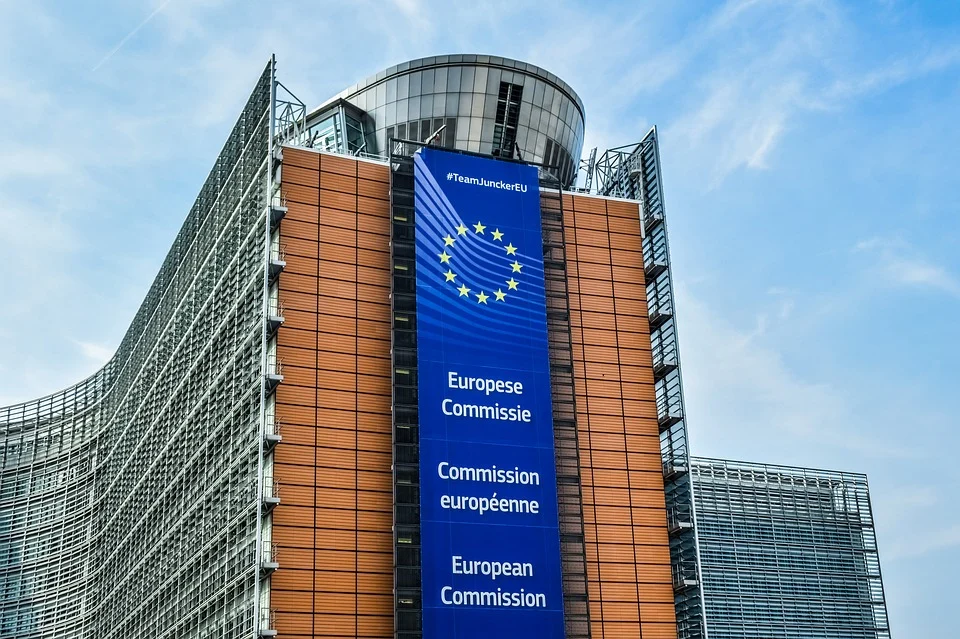
The timeline for the implementation of these measures remains fluid. The European Commission is expected to present the final draft of the sanctions to the Council of the European Union in the coming weeks, where it will require unanimous approval from all 27 member states. This process often involves intense debate, as countries with specific economic vulnerabilities seek exemptions or adjustments to the proposed restrictions.
Observers should monitor the next meeting of the European Council for formal announcements regarding the adoption of the new package. Additionally, the G7 summit, scheduled for later this year, will likely serve as the venue for coordinating further actions on the oil price cap and broader economic strategies. For those following the situation closely, the Council of the European Union’s official meeting calendar provides the most accurate information on when these decisions will reach the voting stage. Readers are encouraged to share their thoughts on the effectiveness of these measures in the comments section below.
- China’s New Exit-Entry Regulations: Strict Border Controls Spark Fear and Urgency to Leave
- Ukraine Incident: Assessing Responsibility Without Investigation
- Cubs Acquire Kevin Gausman from Blue Jays in Trade Deal (archyde.com)
- Yankees Acquire Infielder Luis García Jr. From Nationals in Four-Pitcher Trade (archyworldys.com)